
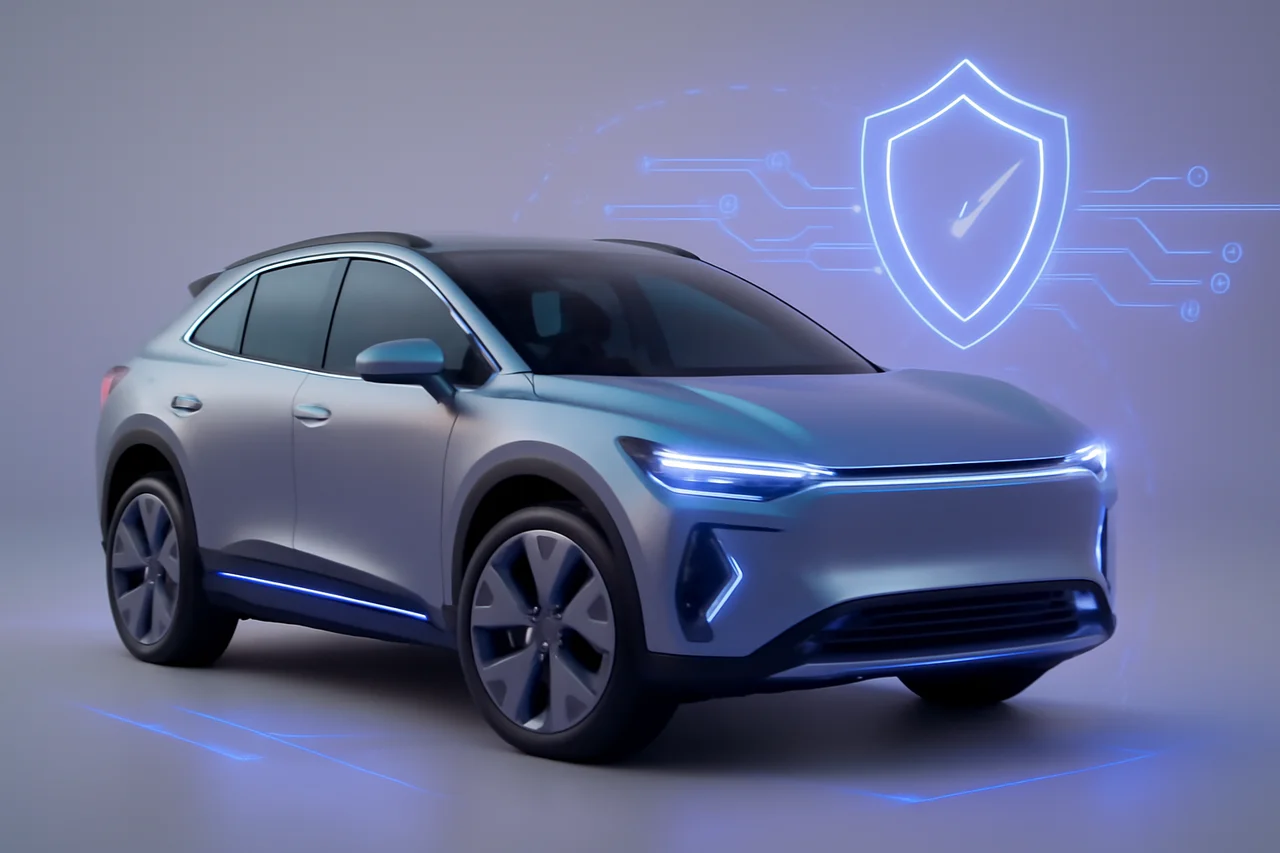
Volvo has officially unveiled its 2028 models of the XC60 and XC90, showcasing significant advancements in both range and safety features. As the automotive industry shifts towards electrification, these plug-in hybrid SUVs are designed to appeal to consumers eager for electric vehicle (EV) options. With a focus on sustainability, Volvo aims to enhance user experience while prioritizing safety. The new models not only reflect the brand's commitment to innovation but also highlight its proactive approach to addressing the changing landscape of consumer preferences in the automotive sector.
Enhanced Range for Electric Vehicle Enthusiasts
One of the standout features of the 2028 XC60 and XC90 is the impressive increase in electric range. Volvo has doubled the range of these plug-in hybrids, making them more competitive in the growing EV market. This enhancement is crucial for attracting buyers who are considering a transition to electric vehicles but may have concerns about range anxiety. With longer ranges, these vehicles are positioned to alleviate worries about battery life during longer trips, thus encouraging more consumers to make the switch to electric mobility.
To achieve this, Volvo has invested in advanced battery technology and energy management systems that optimize efficiency. This means that drivers can expect not only greater distances on electric power alone but also improved overall performance. The ability to travel further without relying on traditional fuel sources aligns with global trends toward sustainability and reduced carbon footprints, making the XC60 and XC90 appealing choices for eco-conscious buyers.
Smart Safety Technologies
In addition to improved range, Volvo has integrated smarter safety technologies into the 2028 XC60 and XC90. These advancements reflect the company's ongoing commitment to user safety, a hallmark of the Volvo brand. The updated safety features include enhanced driver-assistance systems that utilize advanced sensors and algorithms to provide a safer driving experience. Innovations such as adaptive cruise control, lane-keeping assistance, and automated emergency braking are designed to mitigate risks on the road.
Moreover, Volvo's focus on safety extends beyond just the technology. The design of the vehicles incorporates crumple zones and reinforced structures to protect occupants in the event of a collision. As consumers increasingly prioritize safety in their vehicle purchases, these features position the XC60 and XC90 as leading options in the SUV market.
Sustainability at the Core
Volvo's push towards electrification is not just about performance; it also aligns with the company's broader sustainability goals. By increasing the efficiency of their plug-in hybrid technology, Volvo aims to reduce overall emissions and promote a greener future for automotive transportation. This commitment is evident in the design and engineering of the new XC60 and XC90 models, which incorporate sustainable materials and manufacturing processes.
The integration of recycled materials into the vehicle interiors and the use of renewable energy sources in production are just a few examples of how Volvo is embedding sustainability into its core operations. As consumers become more environmentally aware, the demand for vehicles that reflect these values continues to grow. By prioritizing sustainability, Volvo not only meets this demand but also sets a standard for the automotive industry.
Market Positioning
With the introduction of the 2028 XC60 and XC90, Volvo is strategically positioning itself in the competitive SUV segment. By enhancing the capabilities of their plug-in hybrids, the company is appealing to a demographic that is increasingly interested in electric vehicle options. This move is essential for maintaining market relevance as consumer preferences evolve.
Volvo's emphasis on technology and sustainability is likely to resonate with younger consumers who prioritize eco-friendliness and advanced features in their vehicle choices. As the market for electric and hybrid vehicles continues to expand, Volvo's proactive approach to innovation positions it favorably against competitors who may be slower to adapt to these trends.
Conclusion: A Step Forward for Volvo
The 2028 Volvo XC60 and XC90 represent a significant step forward for the brand in terms of technology and sustainability. With double the range and smarter safety features, these models are set to attract a new generation of environmentally conscious consumers. As Volvo continues to innovate, it reaffirms its commitment to providing safe, efficient, and sustainable vehicles for the future. The company's focus on electrification not only enhances its product lineup but also contributes to a larger movement towards a more sustainable automotive industry, making the XC60 and XC90 not just vehicles, but symbols of a new era in transportation.
Key Highlights
- Volvo's 2028 XC60 and XC90 feature double the electric range compared to previous models.
- Smart safety technologies have been integrated into both SUV models.
- The enhancements aim to attract buyers interested in electric vehicles.
- Volvo is committed to sustainability through improved plug-in hybrid technology.
- The new models reflect Volvo's strategic positioning in the competitive SUV market.
Expert Analysis
Technical Analysis
The 2028 Volvo XC60 and XC90 utilize advanced plug-in hybrid technology and electric vehicle (EV) systems to enhance performance and sustainability. By doubling the electric range of these SUVs, Volvo addresses a critical concern for potential EV buyers: range anxiety. This improvement is achieved through investments in cutting-edge battery technology and energy management systems, which optimize the efficiency of the vehicles. As a result, drivers can expect longer distances on electric power alone, aligning with the global trend towards reduced carbon footprints and sustainable transportation.
In addition to range enhancements, the new models incorporate smarter safety technologies, including advanced driver-assistance systems that leverage sensors and algorithms for improved safety. Features such as adaptive cruise control, lane-keeping assistance, and automated emergency braking are designed to mitigate risks on the road. The structural design of the vehicles, featuring crumple zones and reinforced structures, further enhances occupant protection during collisions. While these advancements position Volvo favorably in the competitive SUV market, the reliance on technology also introduces potential limitations, such as the need for regular software updates and maintenance to ensure optimal performance.
Advantages
- Doubled electric range alleviates range anxiety for consumers considering EVs.
- Enhanced battery technology improves overall vehicle performance and efficiency.
- Advanced safety features provide a safer driving experience, appealing to safety-conscious consumers.
- Incorporation of sustainable materials aligns with growing consumer demand for eco-friendly vehicles.
- Positioning as a leader in the SUV market by addressing evolving consumer preferences.
Disadvantages
- No major disadvantages reported yet.
Real-World Use Cases
- Individuals seeking eco-friendly transportation options can benefit from the increased electric range for daily commutes.
- Families can utilize the advanced safety features for enhanced protection during road trips.
- Businesses focused on sustainability can adopt these vehicles for corporate fleets to reduce carbon footprints.
- Developers can explore integration with smart city infrastructure through the vehicle's advanced technology.
- Educational institutions can use these models to teach students about advancements in automotive technology and sustainability.
Business Impact
The introduction of the 2028 XC60 and XC90 positions Volvo strategically within the competitive SUV segment, appealing to a demographic increasingly interested in electric vehicle options. By enhancing their plug-in hybrids, Volvo aims to maintain market relevance as consumer preferences evolve towards sustainability and advanced technology. This proactive approach not only strengthens Volvo's brand image but also opens up new revenue opportunities in the growing market for electric and hybrid vehicles, potentially outpacing competitors who may be slower to adapt to these trends.
User Impact
Consumers who prioritize sustainability and safety will benefit significantly from the 2028 XC60 and XC90, as these models offer advanced features that align with their values. Ordinary users should care about these developments, as the enhanced electric range and safety technologies could lead to a more enjoyable and secure driving experience. For those considering a switch to electric vehicles, the improvements made by Volvo may make the transition more appealing and practical.
Security & Privacy
Security and privacy analysis not applicable.
Future Outlook
In the near term, Volvo is likely to continue focusing on enhancing the efficiency and performance of its electric and hybrid vehicles. As the automotive industry increasingly shifts towards electrification, further advancements in battery technology and smart safety features are expected. Additionally, Volvo may explore partnerships with tech companies to integrate more advanced connectivity features, keeping pace with consumer expectations for smart vehicle technology.
Expert Summary
The unveiling of the 2028 XC60 and XC90 marks a significant advancement for Volvo in the realms of technology and sustainability. With doubled electric ranges and enhanced safety features, these models are poised to attract environmentally conscious consumers and set a new standard in the SUV market. Stakeholders in the automotive industry, including manufacturers and consumers, should pay attention to Volvo's innovative approach, as it reflects broader trends towards electrification and sustainability in transportation.
Originally reported by Engadget - Technology News & Expert Reviews.



