
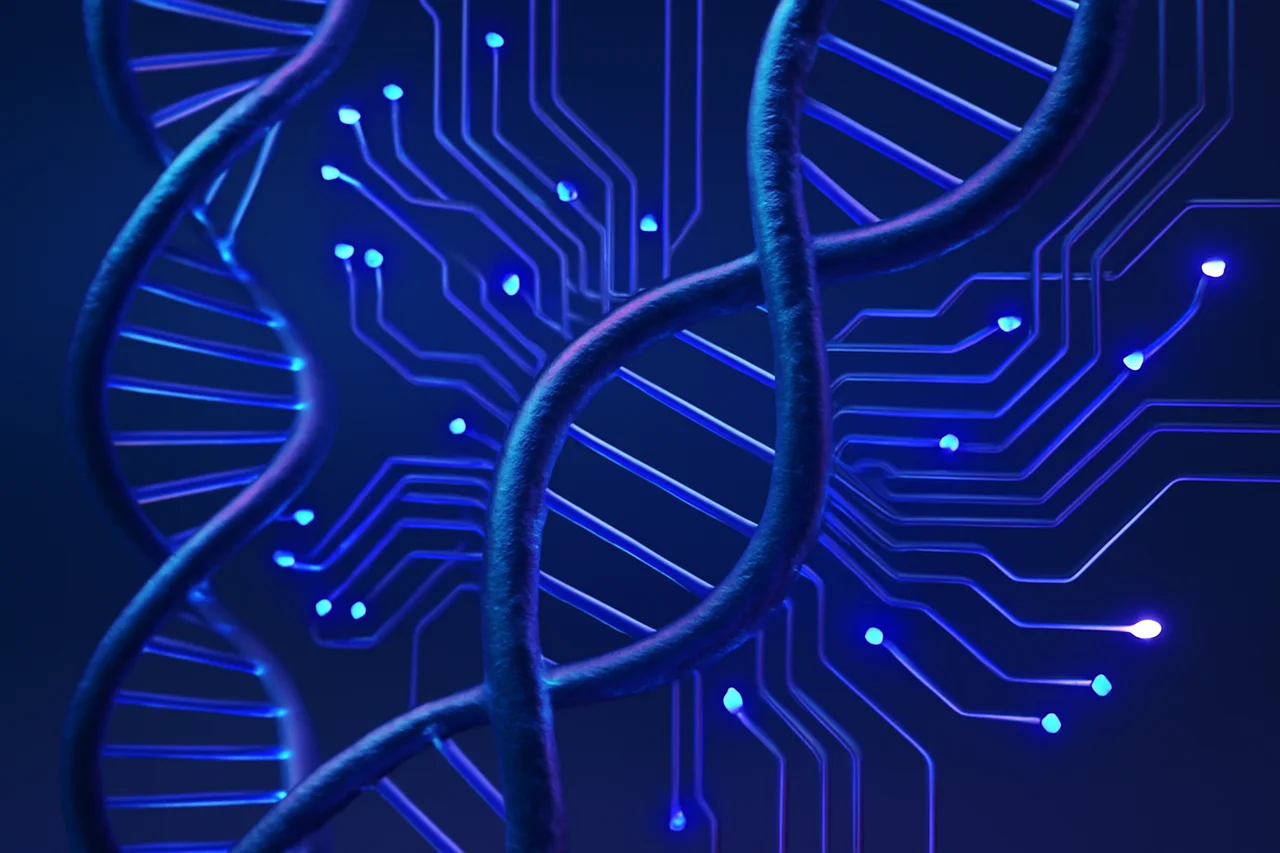
In the ongoing battle against drug-resistant infections, researchers are exploring innovative solutions that leverage advanced technologies. One such researcher, César de la Fuente, has taken a significant step forward by utilizing OpenAI's Codex and ChatGPT to delve into both living and extinct genomes. This cutting-edge approach aims to identify new antimicrobial candidates that could effectively address the critical issue of antibiotic resistance.
Understanding the Challenge of Drug Resistance
Drug resistance is an escalating global health crisis, posing serious threats to effective treatment options for various infections. As bacteria evolve, they develop mechanisms to withstand the effects of antibiotics, leading to prolonged illnesses and increased mortality rates. The World Health Organization has identified this issue as a priority, calling for urgent action to discover new antimicrobial agents. The rise of superbugs—strains of bacteria that are resistant to multiple antibiotics—has made infections harder to treat, resulting in longer hospital stays, higher medical costs, and increased mortality. In fact, it is estimated that by 2050, drug-resistant infections could lead to 10 million deaths annually if no effective solutions are found.
The Role of AI in Antimicrobial Research
Artificial intelligence (AI) has emerged as a transformative force in various fields, including healthcare and drug discovery. In de la Fuente's research, AI tools like Codex and ChatGPT are employed to analyze vast amounts of genomic data. By examining both current and ancient genomes, these technologies can uncover potential antimicrobial molecules that traditional methods might overlook. AI's ability to process and analyze large datasets at unprecedented speeds allows researchers to identify patterns and correlations that would be nearly impossible to detect manually. This capability is particularly crucial in the context of drug resistance, where understanding the genetic basis of resistance can lead to the development of more effective treatments.
Codex and ChatGPT: Tools for Discovery
OpenAI's Codex is a powerful AI system designed to understand and generate code, while ChatGPT excels in natural language processing. Together, they form a robust toolkit for researchers like de la Fuente. Codex can interpret complex genomic sequences, while ChatGPT assists in generating hypotheses and analyzing research findings. This synergy enhances the efficiency and depth of the research process. For instance, Codex can automate the analysis of genomic data, allowing researchers to focus on interpreting results and designing experiments. Meanwhile, ChatGPT can facilitate communication of complex ideas, making it easier for interdisciplinary teams to collaborate effectively.
Exploring Genomic Data
De la Fuente's lab focuses on a comprehensive approach to genomic exploration. By integrating data from living organisms and extinct species, the research team aims to identify unique genetic traits that may lead to the development of novel antimicrobial compounds. This exploration is not just limited to contemporary genomes; it also includes ancient DNA, which could provide insights into how past organisms fought infections. By studying the genetic makeup of extinct species, researchers can uncover evolutionary strategies that may have contributed to their survival against pathogens. Such insights could inform the design of new drugs that mimic these natural defenses, providing a fresh perspective on combating antibiotic resistance.
Implications for Future Treatments
The implications of this research are profound. If successful, the identification of new antimicrobial candidates could pave the way for innovative treatments that effectively combat drug-resistant infections. This research could also inspire new strategies for drug development, emphasizing the importance of cross-disciplinary approaches that combine genomics with artificial intelligence. Furthermore, the ability to discover new antimicrobial agents could lead to a paradigm shift in how we approach infectious diseases, moving from reactive treatment to proactive prevention. By understanding the genetic basis of resistance, healthcare providers can develop targeted therapies that are tailored to specific bacterial strains, potentially reducing the incidence of resistance development.
Conclusion: A New Era in Antimicrobial Research
César de la Fuente's work exemplifies the potential of merging AI with scientific inquiry. As he continues to explore the depths of genomic data with Codex and ChatGPT, the hope for discovering effective antimicrobial agents grows stronger. This innovative research not only addresses an urgent health crisis but also highlights the transformative role of technology in modern medicine. As we stand on the brink of a new era in antimicrobial research, the collaboration between AI and genomics may very well hold the key to overcoming one of the most pressing challenges in global health today.
Key Highlights
- César de la Fuente uses AI tools Codex and ChatGPT for antimicrobial research.
- The research focuses on finding new antimicrobial candidates against drug resistance.
- AI enhances the analysis of genomic data from living and extinct organisms.
- Codex interprets genomic sequences while ChatGPT aids in hypothesis generation.
- The study aims to uncover novel treatments for drug-resistant infections.
- Integrating ancient DNA may reveal how historical organisms fought diseases.
- This research could revolutionize drug development strategies.
Expert Analysis
Technical Analysis
The research conducted by César de la Fuente leverages advanced AI technologies, specifically OpenAI's Codex and ChatGPT, to tackle the pressing issue of drug-resistant infections. Codex is designed to understand and generate code, which allows it to interpret complex genomic sequences efficiently. ChatGPT, on the other hand, excels in natural language processing, aiding researchers in generating hypotheses and analyzing findings. Together, these tools enable the analysis of vast genomic datasets, uncovering potential antimicrobial candidates that traditional methods might miss. This approach not only accelerates the research process but also enhances the depth of analysis, crucial for understanding the genetic basis of antibiotic resistance.
The integration of AI into antimicrobial research addresses the critical challenge posed by drug-resistant infections, which are becoming increasingly prevalent due to evolving bacterial mechanisms. By examining both contemporary and ancient genomes, the research aims to identify unique genetic traits that could lead to the development of new antimicrobial compounds. This innovative methodology represents a significant improvement over traditional drug discovery processes, which often rely on slower, manual analyses. However, while the technology shows promise, there are limitations, including the need for comprehensive genomic data and the inherent complexities of biological systems that may not be fully captured by AI models.
Advantages
- Accelerates the identification of potential antimicrobial candidates.
- Enhances the depth and efficiency of genomic data analysis.
- Facilitates interdisciplinary collaboration through improved communication.
- Offers insights from both contemporary and ancient genomes, broadening the scope of research.
Disadvantages
- No major disadvantages reported yet.
Real-World Use Cases
- Researchers can utilize AI tools to analyze genomic data for discovering new antimicrobial agents.
- Healthcare providers may develop targeted therapies based on the genetic basis of resistance identified through AI analysis.
- Interdisciplinary teams can collaborate more effectively by using AI to communicate complex ideas and findings.
Business Impact
The integration of AI in antimicrobial research could lead to significant advancements in drug discovery, positioning companies that invest in these technologies at the forefront of the pharmaceutical industry. As drug-resistant infections continue to rise, the demand for innovative treatments will create new revenue opportunities for businesses capable of developing effective solutions. Additionally, this research could inspire competitors to adopt similar AI-driven approaches, potentially reshaping the landscape of antimicrobial development and healthcare strategies.
Moreover, the focus on cross-disciplinary approaches combining genomics and AI may lead to collaborations between tech companies and pharmaceutical firms, fostering innovation and accelerating the development of new therapies. This shift could also influence regulatory frameworks as new treatment modalities emerge, prompting a reevaluation of existing drug approval processes.
User Impact
Ordinary users, particularly patients suffering from drug-resistant infections, stand to benefit significantly from advancements in antimicrobial research driven by AI. The potential for new, effective treatments could lead to improved health outcomes and reduced mortality rates associated with these infections. Additionally, this research emphasizes the importance of proactive healthcare strategies, which could lead to more personalized and effective treatments tailored to individual genetic profiles.
However, the general public may not be directly involved in the research process, and the benefits may take time to materialize in the form of new therapies. It is essential for users to remain informed about advancements in this field, as it could ultimately affect their treatment options and health outcomes in the future.
Security & Privacy
Security and privacy analysis not applicable.
Future Outlook
In the near term, we can expect further developments in the application of AI technologies in drug discovery, particularly in the realm of antimicrobial research. As researchers continue to refine their methodologies and integrate more extensive genomic datasets, the potential for discovering novel antimicrobial agents will likely increase. Additionally, advancements in AI capabilities may lead to more sophisticated models that can better predict the efficacy of new compounds against drug-resistant strains.
The industry direction appears to be shifting towards a more collaborative approach, where tech companies and pharmaceutical firms work together to harness AI for drug development. This could lead to a surge in innovative therapies and a more proactive stance in combating antibiotic resistance, ultimately transforming how infectious diseases are treated.
Expert Summary
César de la Fuente's research exemplifies the transformative potential of AI in addressing the global health crisis of drug-resistant infections. By leveraging advanced technologies like Codex and ChatGPT, this work not only aims to discover new antimicrobial agents but also sets a precedent for interdisciplinary collaboration in scientific research. Stakeholders in healthcare, technology, and pharmaceuticals should pay close attention to these developments, as they may significantly impact treatment strategies and health outcomes in the future.
Originally reported by OpenAI News.



