
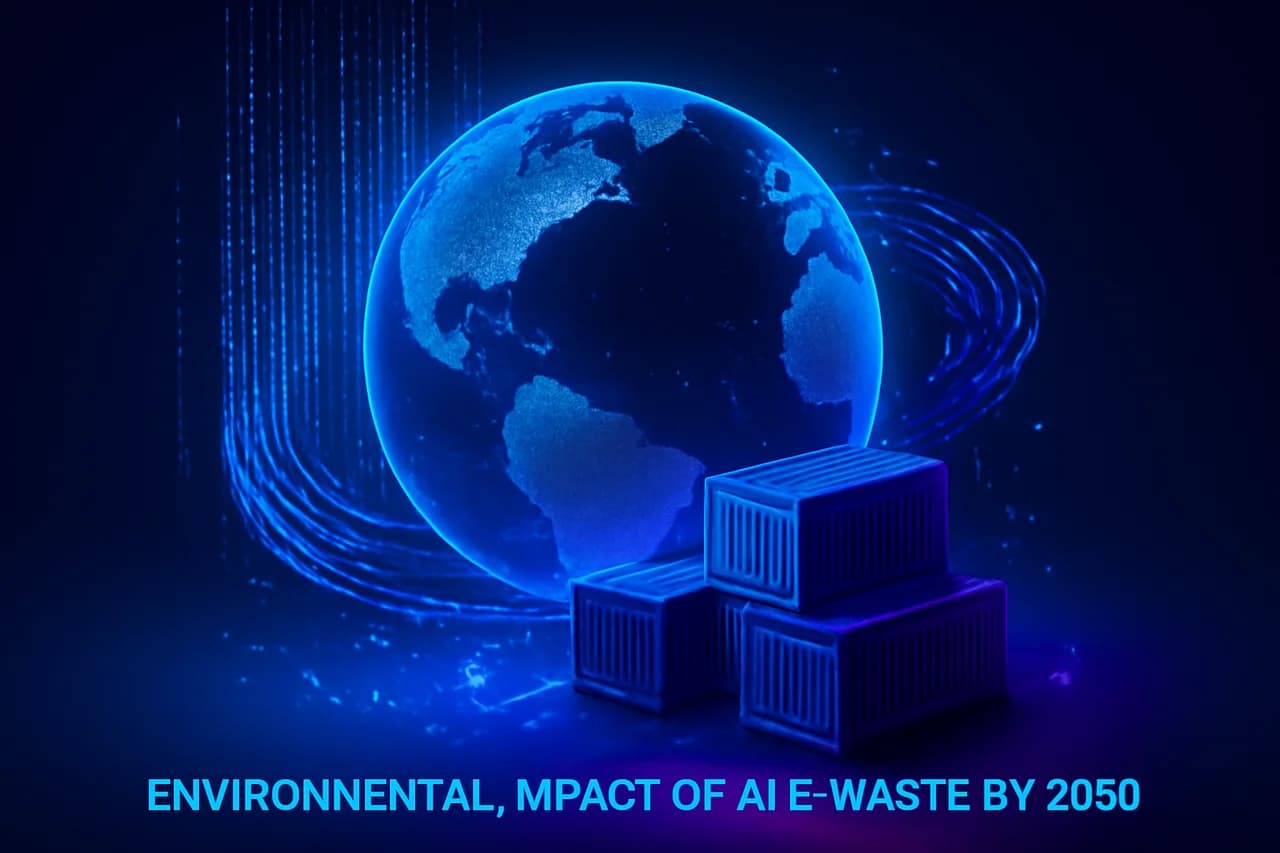
The rapid expansion of artificial intelligence (AI) technologies is not just revolutionizing industries; it's also generating a staggering amount of electronic waste (e-waste). A recent report from the Basel Action Network (BAN) sheds light on the environmental implications of this burgeoning sector, revealing that the e-waste generated by AI could be far greater than previously estimated. By 2050, the report warns, this waste could fill an astonishing 23 million shipping containers, enough to circle the globe six times.
The Hidden Costs of AI Infrastructure
While AI may seem like a weightless concept, the physical infrastructure required to support its operations is substantial. Data centers, which house the servers that run AI models, contribute significantly to this e-waste problem. The BAN report emphasizes that previous studies have underestimated the scale of e-waste by failing to consider the extensive infrastructure needed for AI technologies. This oversight highlights the hidden costs associated with the rapid adoption of AI.
Data centers are not just warehouses for servers; they are complex facilities that require significant energy and resources to operate. These centers often utilize advanced cooling systems to maintain optimal temperatures for the servers, which can lead to additional waste when these systems are decommissioned. Moreover, as AI technologies evolve, older servers and components become obsolete at an accelerated rate, further compounding the e-waste issue.
Understanding E-Waste Generation
E-waste is generated when electronic devices are discarded after their useful life has ended. This includes everything from outdated servers to the cooling systems that maintain optimal temperatures in data centers. The BAN report argues that as AI continues to proliferate, the lifecycle of these components will shorten, leading to an exponential increase in e-waste. The environmental impact of this waste is significant, as it often contains hazardous materials that can leach into the environment if not properly disposed of.
Additionally, the report highlights that the production of AI systems involves not only the servers but also the various components that make up the entire ecosystem, including networking equipment, storage devices, and even the physical buildings that house these data centers. Each of these elements contributes to the overall e-waste generated, and as demand for AI capabilities grows, so too does the need for new infrastructure.
The Scale of the Problem
To put the figures into perspective, the report estimates that by 2050, the amount of e-waste generated by AI could amount to enough material to fill 23 million 40-foot shipping containers. This staggering number underscores the urgency of addressing the issue. If lined up, these containers would stretch around the globe multiple times, illustrating the sheer volume of waste that could result from our reliance on AI technologies.
To further illustrate the scale, consider that each container can hold approximately 25 tons of material. This means that the projected e-waste from AI could weigh over 575 million tons, a figure that raises serious concerns about the sustainability of our current practices in technology consumption and disposal. As we increasingly integrate AI into our daily lives, the question of what happens to the technology we discard becomes more pressing.
Environmental Implications
The environmental implications of this e-waste crisis are profound. Improper disposal of e-waste can lead to soil and water contamination, as toxic substances such as lead, cadmium, and mercury can seep into the ground. The BAN report stresses the importance of developing sustainable practices for managing e-waste. This includes promoting recycling programs and encouraging manufacturers to design products with a focus on longevity and recyclability.
Furthermore, the report calls for a reevaluation of the entire lifecycle of AI technologies. From production to disposal, each stage presents opportunities for reducing waste and minimizing environmental impact. For example, manufacturers can adopt circular economy principles, where products are designed to be reused, refurbished, or recycled, thus extending their lifecycle and reducing the amount of waste generated.
Call to Action
As the AI industry continues to grow, there is an urgent need for stakeholders—including policymakers, tech companies, and consumers—to take action. The BAN report advocates for increased awareness of the e-waste problem and the implementation of policies that promote responsible disposal and recycling of electronic devices. By understanding the full impact of AI on the environment, we can work towards mitigating its footprint.
Policymakers are encouraged to establish regulations that require manufacturers to take responsibility for the end-of-life management of their products. This could include mandates for recycling, as well as incentives for companies that prioritize sustainable practices. Consumers also play a critical role by making informed choices about the technology they purchase and supporting companies that demonstrate a commitment to environmental stewardship.
Conclusion
The findings from the Basel Action Network serve as a crucial reminder that the benefits of AI come with significant environmental costs. As we move forward into an increasingly digital future, it is essential to address the e-waste generated by AI technologies. By taking proactive steps now, we can ensure that the advancements in AI do not come at the expense of our planet. The responsibility lies not only with the tech industry but also with consumers and policymakers to create a sustainable framework that supports innovation while protecting the environment.
Key Highlights
- A report estimates AI e-waste could fill 23 million shipping containers by 2050.
- The Basel Action Network highlights the underestimation of AI's environmental impact.
- Data centers contribute significantly to the e-waste generated by AI technologies.
- E-waste contains hazardous materials that can harm the environment if not disposed of properly.
- The report calls for sustainable practices in managing electronic waste.
- Increased awareness and action from stakeholders are essential to address the e-waste crisis.
- AI's growth necessitates a focus on responsible disposal and recycling of electronic devices.
Expert Analysis
Technical Analysis
The article discusses the environmental impact of artificial intelligence (AI) technologies, particularly focusing on the e-waste generated by the infrastructure supporting AI operations, such as data centers. These data centers house servers that run AI models, and as AI technology evolves, the lifecycle of these servers and their components shortens, leading to increased electronic waste (e-waste). The report from the Basel Action Network (BAN) highlights that the physical infrastructure required for AI is substantial, and previous studies have underestimated the scale of e-waste by not considering the extensive resources needed for AI technologies.
The problem of e-waste is compounded by the fact that data centers not only generate waste through outdated servers but also through the cooling systems and other components that maintain optimal operating conditions. As AI adoption accelerates, the demand for new infrastructure grows, leading to an exponential increase in e-waste. The environmental implications are severe, as improper disposal of e-waste can result in hazardous materials contaminating soil and water. This situation necessitates a reevaluation of the lifecycle of AI technologies, with a focus on sustainable practices such as recycling and designing for longevity.
Advantages
- Raises awareness about the environmental costs associated with AI technologies.
- Encourages the adoption of sustainable practices in technology production and disposal.
- Promotes the idea of circular economy principles, which can lead to reduced waste.
- Calls for responsible policies that can guide manufacturers and consumers towards better e-waste management.
Disadvantages
- No major disadvantages reported yet.
Real-World Use Cases
- Policymakers can implement regulations that mandate responsible e-waste disposal and recycling.
- Tech companies can design products with a focus on longevity and recyclability to minimize waste.
- Consumers can make informed choices about the technology they purchase, supporting companies that prioritize environmental stewardship.
- Nonprofits can advocate for sustainable practices and raise awareness about the e-waste crisis.
Business Impact
The findings of the BAN report suggest a significant market impact as companies may need to adapt their practices to comply with new regulations regarding e-waste management. This could lead to increased operational costs for businesses that fail to implement sustainable practices. Competitors who prioritize sustainability may gain a competitive edge, attracting environmentally conscious consumers and investors. Additionally, the demand for recycling and responsible disposal services may rise, creating new revenue opportunities in the waste management sector.
User Impact
Ordinary users may benefit from increased awareness of the environmental impact of their technology choices, prompting them to support more sustainable products. However, those who are less informed or unable to access eco-friendly options may not experience the same benefits. Overall, it is crucial for users to care about these developments, as their purchasing decisions can influence the market and encourage companies to adopt more sustainable practices. Adopting responsible technology can be seen as a worthwhile investment in the future of the planet.
Security & Privacy
Security and privacy analysis not applicable.
Future Outlook
In the near term, we can expect increased scrutiny on the e-waste generated by AI technologies, leading to more stringent regulations and guidelines for manufacturers. The industry may also see a shift towards more sustainable practices, as companies recognize the importance of addressing environmental concerns to maintain their reputation and customer loyalty. Innovations in recycling technologies and e-waste management solutions are likely to emerge as businesses and policymakers respond to the growing crisis.
Expert Summary
The alarming predictions regarding AI-related e-waste outlined in the BAN report highlight a critical issue that stakeholders across the technology sector must address. Policymakers, tech companies, and consumers should pay attention to these findings as they underscore the need for sustainable practices in the rapidly evolving AI landscape. By taking proactive measures now, we can mitigate the environmental impact of AI and ensure that technological advancements do not come at the expense of our planet.
Originally reported by The Verge.



