
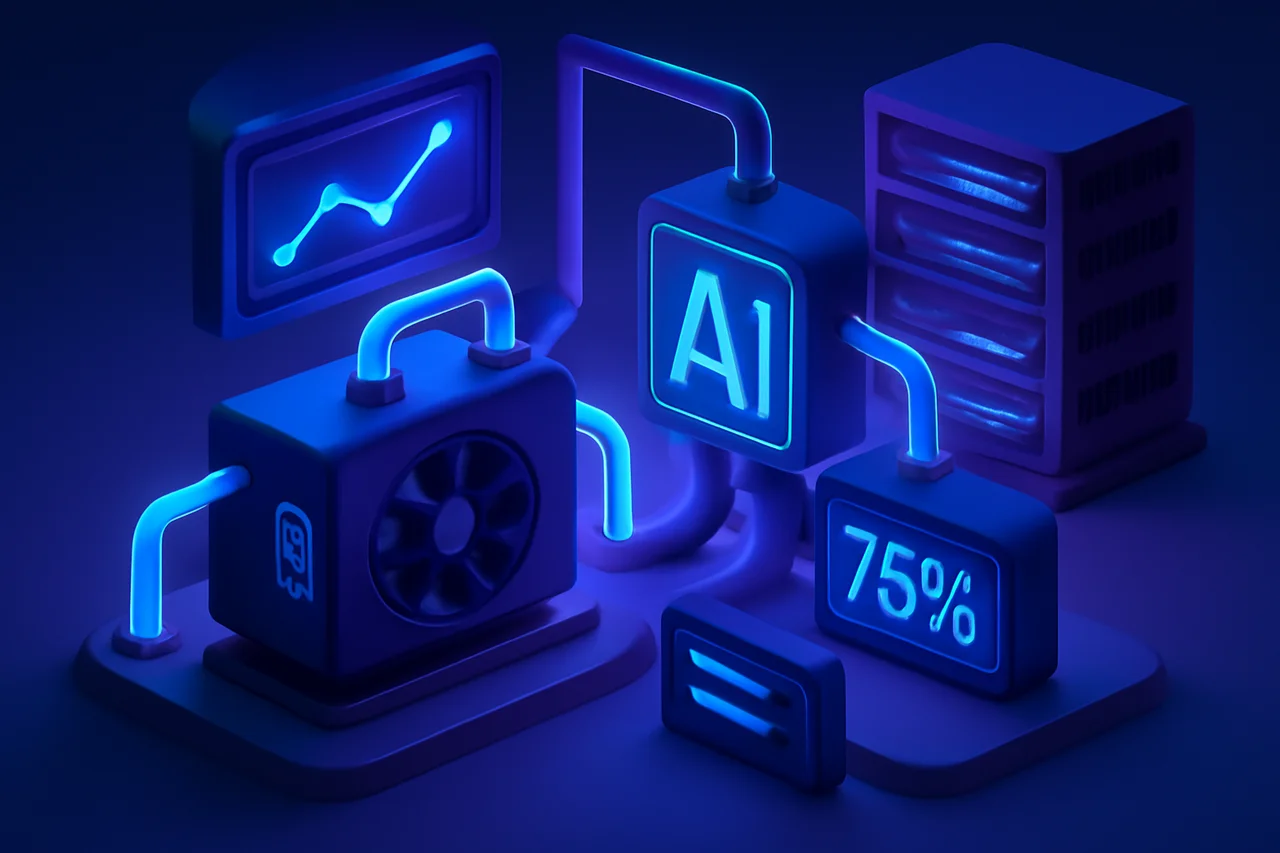
The evolution of AI technology has brought about significant changes in how we approach data centers and AI factories. As these industrial systems become increasingly power-constrained, the focus has shifted from merely fitting as many GPUs as possible into a data center to maximizing the AI output generated per megawatt of power. This new paradigm emphasizes the importance of efficiency, particularly in terms of application-level performance per watt, which is crucial for optimizing AI inference workloads.
The Shift in Focus for AI Factories
Traditionally, the performance of data centers was measured by the number of GPUs they could accommodate. However, this perspective is evolving. With rising energy costs and environmental concerns, the efficiency of AI factories is now evaluated based on how effectively they utilize available power. The question to consider is not just how many GPUs fit in a data center, but rather how much AI output can be achieved with each megawatt of power consumed. This shift marks a significant transition in the industry, as stakeholders recognize that sustainable practices and operational efficiency are now paramount.
Understanding AI Output per Megawatt
In the context of AI factories, output refers to the performance of AI inference workloads. As these workloads become more complex and demanding, the need for efficient power usage has become paramount. Each megawatt must translate into meaningful computational power that can drive AI applications. This shift in metrics allows for a more nuanced understanding of performance, encouraging innovations that prioritize power efficiency alongside computational capability. By focusing on AI output per megawatt, organizations can better align their operational goals with sustainability objectives, ultimately leading to a more responsible approach to technology deployment.
Key Metrics for Measuring Efficiency
To effectively measure the performance per watt in AI factories, several key metrics are essential. These include:
- Power Distribution: Efficient power distribution systems ensure that energy is allocated effectively across GPUs and other components. This involves utilizing advanced power management technologies that can dynamically adjust to workload demands.
- Cooling Solutions: Effective cooling mechanisms reduce energy waste and maintain optimal operating temperatures for hardware. Innovations in liquid cooling and immersion cooling are gaining traction, as they can significantly enhance cooling efficiency compared to traditional air cooling methods.
- Workload Optimization: Tailoring workloads to leverage available resources can significantly enhance performance per watt. This includes optimizing algorithms and utilizing AI techniques that can adapt to the hardware capabilities.
- Application-Level Performance: Focusing on the specific applications running on GPUs helps in understanding their power consumption relative to output. By analyzing the performance of different applications, organizations can identify areas for improvement and make informed decisions about resource allocation.
By concentrating on these metrics, AI factories can enhance their overall efficiency and output, leading to more sustainable operations.
Implications for Data Center Design
This new focus on performance per watt has significant implications for the design and operation of data centers. Engineers and architects are now tasked with creating spaces that not only maximize GPU capacity but also enhance energy efficiency. This involves integrating advanced cooling systems, optimizing layouts for power distribution, and employing renewable energy sources where possible. The design of data centers is evolving into a more holistic approach where every element, from the physical structure to the technology employed, is considered in the context of energy consumption and environmental impact.
Future of AI Factories
The future of AI factories hinges on their ability to adapt to these new efficiency metrics. As the demand for AI capabilities continues to grow, so too does the need for power-efficient solutions. Companies like NVIDIA are at the forefront of this evolution, developing technologies that help maximize AI output while minimizing power consumption. This not only benefits the companies operating these factories but also contributes to broader sustainability efforts in the tech industry. As AI continues to permeate various sectors, the ability to deliver powerful AI solutions without excessive energy consumption will be a key differentiator in the market.
Conclusion
In conclusion, the shift from quantity to quality in AI factory performance metrics marks a crucial turning point in the industry. By prioritizing performance per watt, organizations can ensure that they are not only meeting the demands of modern AI workloads but also doing so in a sustainable and efficient manner. As this trend continues to evolve, we can expect to see more innovations aimed at enhancing the power efficiency of AI systems. The focus on power efficiency is not merely a trend but a fundamental shift that will shape the future of AI technology and its role in our society.
Key Highlights
- AI factories are now evaluated on output per megawatt of power.
- Efficiency in AI workloads is crucial due to rising energy costs.
- Key metrics include power distribution, cooling solutions, and workload optimization.
- The focus on performance per watt influences data center design.
- NVIDIA is leading innovations in maximizing AI output with minimal power consumption.
- The shift from GPU quantity to quality marks a significant industry change.
- Sustainability efforts are increasingly important in the tech industry.
Expert Analysis
Technical Analysis
The article discusses the evolving landscape of AI factories and data centers, particularly the shift in focus from maximizing the number of GPUs to optimizing AI output per megawatt of power consumed. This transition underscores the importance of power efficiency in AI inference workloads, which are becoming increasingly complex. By prioritizing performance per watt, organizations can align their operational goals with sustainability objectives, ultimately leading to more responsible technology deployment.
Key metrics for measuring efficiency in AI factories include power distribution, cooling solutions, workload optimization, and application-level performance. Advanced power management technologies and innovative cooling methods, such as liquid and immersion cooling, are highlighted as essential components for enhancing energy efficiency. This holistic approach to data center design not only maximizes computational capabilities but also minimizes environmental impact, marking a significant advancement in the industry.
Advantages
- Focus on power efficiency aligns operational goals with sustainability objectives.
- Enhanced performance per watt leads to better resource allocation and operational efficiency.
- Innovative cooling solutions reduce energy waste and maintain optimal hardware performance.
- Tailored workloads can significantly enhance AI output while minimizing power consumption.
Disadvantages
- No major disadvantages reported yet.
Real-World Use Cases
- Organizations can optimize their AI inference workloads to achieve higher performance per watt.
- Data center designers can implement advanced cooling and power distribution systems to enhance energy efficiency.
- Businesses can leverage power-efficient AI solutions to meet growing demands without excessive energy consumption.
Business Impact
The shift towards performance per watt in AI factories is likely to reshape the competitive landscape in the tech industry. Companies that successfully innovate in power efficiency will gain a significant market advantage, particularly as sustainability becomes a key concern for consumers and regulators alike. This trend may open new revenue opportunities for businesses that can provide energy-efficient AI solutions, potentially leading to a re-evaluation of existing data center designs and operational strategies.
User Impact
Ordinary users may benefit indirectly from this shift as companies adopt more sustainable practices and reduce operational costs, which could lead to more affordable AI services. However, users who rely on traditional data center models may find themselves at a disadvantage as the industry moves towards efficiency-focused solutions. Overall, the emphasis on performance per watt is worth noting for anyone interested in the future of AI technology and its environmental implications.
Security & Privacy
Security and privacy analysis not applicable.
Future Outlook
As the demand for AI capabilities continues to rise, the industry is expected to see further innovations aimed at enhancing power efficiency. Companies like NVIDIA are likely to lead the way in developing new technologies that maximize AI output while minimizing energy consumption. This trend suggests a future where AI factories are not only more powerful but also more sustainable, potentially setting new standards for data center operations across various sectors.
Expert Summary
The shift from quantity to quality in AI factory performance metrics is a significant development in the tech industry. Stakeholders, including data center designers and AI solution providers, should pay close attention to this trend as it will influence operational strategies and competitive positioning. Overall, this evolution towards performance per watt is a crucial step towards a more sustainable and efficient future for AI technology.
Originally reported by NVIDIA Technical Blog.



