
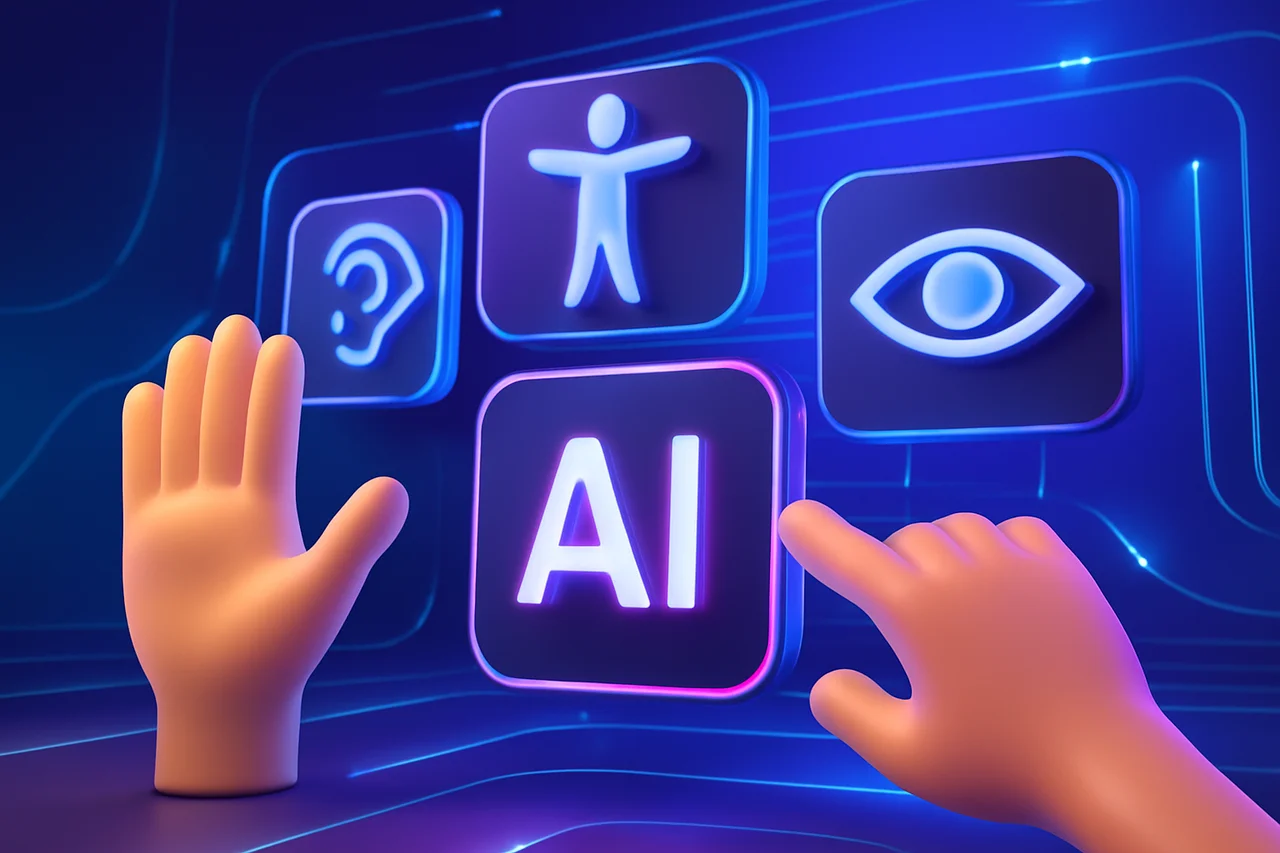
In recent years, the integration of generative AI into application development has revolutionized how we interact with technology, particularly in the realm of accessibility. As new AI-driven tools continue to emerge, users are faced with the challenge of discerning which innovations genuinely enhance their experience. This article delves into the latest accessibility tools that leverage generative AI, highlighting their functionalities and potential benefits.
The Rise of Generative AI in App Development
Generative AI has become a pivotal force in the technology landscape, influencing not just the creation of applications but also their ongoing functionality enhancements. This technology enables developers to create more intuitive and adaptive applications that cater to a diverse range of user needs. As the demand for accessibility solutions grows, generative AI offers unique opportunities to bridge gaps and provide seamless user experiences.
Historically, accessibility tools have been somewhat limited in their scope, often addressing only a narrow set of user requirements. However, with the advent of generative AI, developers are now able to design applications that learn and evolve based on user interactions. This capability not only enhances the functionality of accessibility tools but also ensures that they remain relevant and effective in meeting the diverse needs of users.
Accessibility Tools: A Growing Necessity
Accessibility tools are designed to ensure that all users, regardless of their abilities, can effectively interact with technology. These tools are essential for individuals with disabilities, allowing them to navigate digital environments more easily. With the help of generative AI, these applications can become more responsive and user-friendly, adapting to individual preferences and requirements.
As society increasingly shifts towards digital platforms for communication, education, and commerce, the importance of accessibility tools cannot be overstated. They play a critical role in ensuring that everyone has equal access to information and services. The integration of generative AI into these tools not only enhances their effectiveness but also fosters a more inclusive digital environment.
Innovative Features of AI-Enhanced Accessibility Tools
The latest accessibility tools powered by generative AI come equipped with a variety of innovative features. Some notable capabilities include:
- Personalized User Interfaces: AI can analyze user behavior and preferences to create tailored interfaces that improve navigation. This personalization can significantly reduce the cognitive load on users, making it easier for them to find the information they need.
- Voice Recognition: Advanced voice recognition technologies enable users to interact with applications using natural language, making them more accessible. This feature is particularly beneficial for individuals with mobility impairments who may find traditional input methods challenging.
- Real-Time Translation: AI can provide instant translation services, breaking down language barriers for users worldwide. This capability not only enhances accessibility for non-native speakers but also promotes inclusivity in multicultural environments.
- Smart Recommendations: These tools can suggest content or features based on user interactions, enhancing the overall experience. By anticipating user needs, AI can streamline workflows and improve efficiency.
Navigating the AI Landscape
As the market floods with new AI applications, users may feel overwhelmed by the choices available. To assist in this process, tech experts are curating lists of the most effective and innovative AI tools that focus on accessibility. This regular series aims to spotlight the best options, helping users make informed decisions about which tools to incorporate into their daily lives.
Moreover, as users explore these tools, it is essential for them to consider factors such as compatibility with existing systems, ease of use, and the specific needs they aim to address. Engaging with user reviews and expert analyses can provide valuable insights, guiding users towards tools that will genuinely enhance their digital experiences.
Impact on User Experience
The integration of generative AI into accessibility tools is not merely a trend; it represents a significant shift in how technology can empower users. By providing tailored solutions that adapt to individual needs, these tools enhance the user experience, making technology more inclusive. As more developers embrace this technology, the potential for improved accessibility continues to expand.
Furthermore, the positive impact of these tools extends beyond individual users. Organizations that prioritize accessibility are likely to see increased engagement and satisfaction among their audiences. By fostering an inclusive digital environment, businesses can enhance their reputation and reach a broader customer base.
Conclusion: The Future of Accessibility Tools
As we look to the future, the role of generative AI in accessibility will only grow. With continuous advancements in technology, users can expect even more innovative tools that cater to their unique needs. Staying informed about these developments will be crucial for anyone looking to enhance their digital experience. Keep an eye out for upcoming releases and updates in the field of AI-powered accessibility tools, as they promise to redefine how we engage with technology.
In conclusion, the intersection of generative AI and accessibility tools represents a transformative opportunity to create a more inclusive digital landscape. As these technologies evolve, they hold the potential to empower individuals and foster greater equality in access to information and services. The future is bright for accessibility, and it is imperative that both developers and users remain engaged in this ongoing dialogue to ensure that technology serves everyone effectively.
Key Highlights
- Generative AI is transforming app development, particularly in accessibility.
- Accessibility tools are essential for users with disabilities, enhancing their tech experience.
- AI can create personalized user interfaces based on individual preferences.
- Voice recognition and real-time translation are key features of AI-driven tools.
- Tech experts are curating lists of innovative AI accessibility tools.
- The integration of AI enhances the overall user experience and inclusivity.
- The future of accessibility tools looks promising with ongoing AI advancements.
Expert Analysis
Technical Analysis
The article discusses the integration of generative AI into accessibility tools, which enhances their functionality and adaptability. Generative AI allows applications to learn from user interactions, enabling them to evolve and meet diverse user needs more effectively. This technology addresses the historical limitations of accessibility tools that often catered to a narrow set of requirements, thereby broadening their scope and improving user experience.
By leveraging advanced features such as personalized user interfaces, voice recognition, real-time translation, and smart recommendations, these AI-enhanced tools provide significant improvements over traditional accessibility solutions. However, while generative AI offers promising advancements, it also poses challenges such as the need for compatibility with existing systems and the potential for overwhelming users with choices in a rapidly evolving market.
Advantages
- Personalized user interfaces that reduce cognitive load and improve navigation.
- Advanced voice recognition for natural language interaction, aiding users with mobility impairments.
- Real-time translation services that enhance accessibility for non-native speakers.
- Smart recommendations that streamline workflows and improve efficiency.
Disadvantages
- No major disadvantages reported yet.
Real-World Use Cases
- Individuals with disabilities can use personalized interfaces to navigate applications more easily.
- Businesses can implement voice recognition tools to improve customer service for users with mobility challenges.
- Educational institutions can utilize real-time translation features to support non-native speakers in learning environments.
- Developers can create adaptive applications that evolve based on user feedback and interactions.
Business Impact
The rise of AI-powered accessibility tools is likely to reshape the market by creating new opportunities for developers and businesses focused on inclusivity. Companies that prioritize accessibility are expected to enhance their reputation and attract a broader customer base, leading to increased engagement and satisfaction. As the demand for such tools grows, businesses that innovate in this space may find significant revenue opportunities and competitive advantages.
User Impact
Ordinary users, particularly those with disabilities, stand to benefit greatly from the advancements in accessibility tools powered by generative AI. These tools promise to make technology more inclusive and user-friendly, allowing individuals to interact with digital environments more effectively. However, users may feel overwhelmed by the multitude of options available, making it essential for them to seek expert guidance and user reviews to identify the most suitable tools for their needs.
Security & Privacy
Security and privacy analysis not applicable.
Future Outlook
As generative AI technology continues to advance, we can expect even more innovative accessibility tools that cater to a wider range of user needs. The ongoing development in this field suggests that future applications will become increasingly intuitive and responsive, further enhancing the user experience. Staying informed about these advancements will be crucial for both developers and users as they navigate the evolving landscape of accessibility technology.
Expert Summary
The integration of generative AI into accessibility tools marks a significant shift towards a more inclusive digital landscape. Developers, businesses, and users should pay attention to these advancements, as they hold the potential to empower individuals and foster equality in access to information and services. Overall, this news highlights the importance of continuous innovation in accessibility technology, which is essential for creating an inclusive environment for all users.
Originally reported by Android Authority.



