
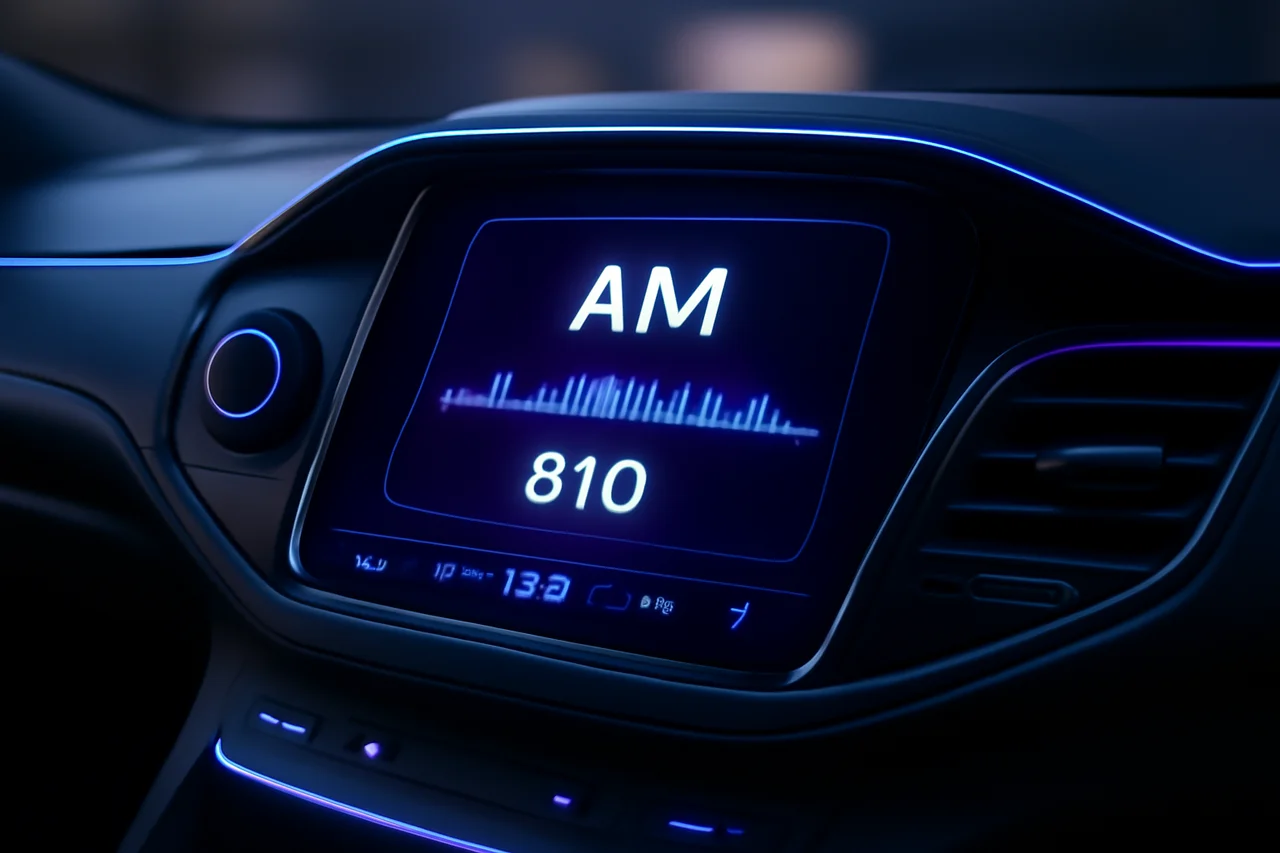
In a significant move reflecting bipartisan support, the US House of Representatives has passed legislation that mandates the inclusion of AM radio in all new vehicles. This decision underscores the importance of AM radio as a critical source of information, particularly during emergencies, and highlights ongoing concerns about accessibility to this medium. As the automotive industry embraces new technologies, the preservation of AM radio illustrates a commitment to maintaining essential communication channels for all Americans.
The Importance of AM Radio
AM radio has long served as a vital communication tool, especially in rural areas and during crises. Its ability to broadcast over long distances without the need for internet connectivity makes it essential for disseminating information during natural disasters or emergencies when other forms of communication may fail. For instance, during hurricanes, tornadoes, and other severe weather events, AM radio stations often remain operational when power outages disrupt other communication systems. This reliability is crucial for keeping communities informed and safe.
Moreover, AM radio provides localized content that is specifically tailored to the needs of individual communities. Local radio stations can offer timely updates on traffic, weather, and public safety issues, fostering a sense of connection and support among listeners. As technology evolves, the necessity to preserve this traditional medium has come into sharper focus, especially as the digital divide persists in many regions across the United States.
Bipartisan Support for the Legislation
The overwhelming approval from the House of Representatives is a rare instance of bipartisan cooperation in a polarized political climate. Lawmakers from both sides recognized the value of AM radio, which continues to serve millions of Americans. The legislation passed with a significant majority, reflecting a collective acknowledgment of the medium's role in public safety and information dissemination. This bipartisan effort signifies a shared commitment to ensuring that all citizens have access to vital information, regardless of technological advancements.
Furthermore, this legislation comes at a time when many automakers have been phasing out AM radio from their vehicles, citing the rise of digital alternatives. The House's decision to mandate AM radio inclusion is a clear message that traditional media still holds a crucial place in the fabric of American life.
Potential Impact on Automakers
This legislative move could have far-reaching implications for automakers in the United States. If the bill is enacted into law, manufacturers will need to ensure that all new vehicles are equipped with AM radio capabilities. This requirement may entail additional costs and adjustments in production processes, but it is seen as a necessary step to maintain public access to critical information.
Automakers may need to invest in technology that integrates AM radio with modern infotainment systems, ensuring that it remains user-friendly and accessible. While some manufacturers may view this as an inconvenience, others could see it as an opportunity to enhance their vehicles' communication features. For instance, automakers could innovate by combining AM radio with digital platforms, allowing for a seamless transition between traditional broadcasts and modern streaming services.
Public Reaction and Industry Response
The public response to the legislation has been largely positive, with many advocating for the inclusion of AM radio as a safeguard in emergency situations. Advocacy groups and public safety organizations have praised the decision, emphasizing the importance of having reliable communication channels during crises. Additionally, many consumers appreciate the assurance that their vehicles will continue to provide access to local news and emergency broadcasts.
Industry experts suggest that while some automakers may view this as a regulatory burden, others may embrace it as a chance to differentiate themselves in a competitive market. The move could also foster innovation in how radio content is delivered in cars, potentially leading to new partnerships between automakers and radio broadcasters. As the industry adapts, the integration of AM radio could become a selling point for manufacturers looking to appeal to safety-conscious consumers.
The Future of AM Radio
As the automotive industry continues to evolve, the future of AM radio remains a topic of discussion. With the rise of digital media and streaming services, some have questioned the relevance of traditional radio formats. However, this legislation reinforces the idea that AM radio still holds significant value in the modern landscape, particularly for its reliability and accessibility. The ongoing presence of AM radio in vehicles serves as a reminder that not all communication needs can be met by digital platforms alone.
As technology progresses, there is potential for AM radio to adapt and thrive alongside digital innovations. For instance, advancements in radio transmission technology could enhance sound quality and reception, making AM broadcasts more appealing to younger audiences. Additionally, educational initiatives could help raise awareness about the importance of AM radio, ensuring that future generations appreciate its role in community engagement and emergency preparedness.
Next Steps for the Legislation
The legislation now awaits approval from the Senate before it can be signed into law. If passed, it will mark a pivotal moment for AM radio, ensuring its continued presence in new vehicles and reaffirming its role as a crucial resource for information. Stakeholders from various sectors, including public safety organizations and automotive manufacturers, will be closely monitoring the bill's progress.
Should the Senate approve the legislation, it could set a precedent for future regulations aimed at preserving traditional media in an increasingly digital world. This could lead to further discussions about the role of various communication mediums in public safety and the need for regulations that ensure accessibility for all citizens.
Conclusion
The recent bipartisan approval of legislation requiring AM radio in all new vehicles is a significant step toward preserving an essential communication tool for Americans. As the bill moves through the legislative process, its implications for automakers and the public will continue to unfold, highlighting the ongoing relevance of AM radio in an increasingly digital world. By ensuring that AM radio remains a standard feature in vehicles, lawmakers are not only safeguarding a traditional medium but also reinforcing the importance of reliable communication in times of need.
Key Highlights
- The US House of Representatives has approved legislation for AM radio in vehicles.
- The bill received overwhelming bipartisan support from lawmakers.
- AM radio is considered crucial for emergency information dissemination.
- Automakers may face new requirements if the bill becomes law.
- Public reaction to the legislation has been largely positive.
- The inclusion of AM radio aims to ensure accessibility for all Americans.
- The legislation is pending approval from the Senate before becoming law.
Expert Analysis
Technical Analysis
The legislation mandating AM radio in all new vehicles involves the integration of traditional analog radio technology into modern automotive infotainment systems. AM radio operates by modulating the amplitude of radio waves to transmit audio signals over long distances, which is particularly beneficial during emergencies when other communication methods may fail. This technology is distinct from digital broadcasting, as it does not rely on internet connectivity, making it accessible even in remote areas or during power outages. The requirement for automakers to include AM radio in new vehicles addresses the critical need for reliable communication channels, especially in rural communities where access to digital alternatives may be limited.
While the inclusion of AM radio in vehicles is a step towards preserving a vital communication medium, it does present technical challenges for manufacturers. Automakers will need to adapt their production processes to accommodate this requirement, which may involve additional costs and integration efforts. Furthermore, as the automotive industry increasingly shifts towards digital solutions, there is a risk that AM radio could be viewed as an outdated technology. However, the legislation underscores the importance of maintaining access to this traditional medium, especially in light of the ongoing digital divide in many regions across the United States.
Advantages
- Ensures access to critical information during emergencies, particularly in rural areas.
- Supports local content delivery, fostering community engagement.
- Maintains a reliable communication channel when other systems may fail.
- Encourages innovation in vehicle infotainment systems by integrating AM radio with modern technology.
Disadvantages
- Potential additional costs for automakers to integrate AM radio into new vehicle designs.
- Some manufacturers may view the requirement as a regulatory burden.
Real-World Use Cases
- Individuals in rural areas can rely on AM radio for local news and emergency updates.
- Emergency services can use AM radio to disseminate vital information during natural disasters.
- Automakers can enhance vehicle communication features by integrating AM radio with digital platforms.
- Public safety organizations can leverage AM radio for community outreach and information dissemination.
Business Impact
The passage of this legislation could significantly impact the automotive industry by requiring manufacturers to adapt their vehicles to include AM radio capabilities. This may lead to increased production costs and necessitate changes in design and technology integration. However, it also presents an opportunity for automakers to differentiate themselves in a competitive market by promoting enhanced communication features. Furthermore, this move could foster partnerships between automakers and radio broadcasters, potentially leading to innovative solutions that combine traditional and digital media.
As the legislation progresses, it may set a precedent for future regulations aimed at preserving traditional media in an increasingly digital landscape. This could open up new revenue opportunities for both automakers and media companies as they explore ways to integrate AM radio with modern technology.
User Impact
Ordinary users stand to benefit significantly from the inclusion of AM radio in new vehicles, particularly in terms of access to reliable information during emergencies. This legislation ensures that all Americans, regardless of their technological access, can receive crucial updates about public safety and local news. For consumers, the assurance that their vehicles will continue to provide access to AM radio broadcasts reinforces the importance of traditional media in their daily lives. However, users who primarily rely on digital platforms may find this requirement less relevant, as they may prioritize modern streaming services over AM radio.
Security & Privacy
Security and privacy analysis not applicable.
Future Outlook
In the near term, the automotive industry may see a shift towards integrating AM radio with advanced infotainment systems, allowing for a seamless user experience that combines traditional broadcasts with digital content. As manufacturers adapt to this legislation, there may be innovations in radio transmission technology that enhance sound quality and reception, making AM broadcasts more appealing to younger audiences. Additionally, educational initiatives could emerge to raise awareness about the importance of AM radio, ensuring that future generations recognize its value in community engagement and emergency preparedness.
Expert Summary
The recent bipartisan approval of legislation mandating AM radio in all new vehicles is a crucial step in preserving an essential communication tool for Americans. Stakeholders in the automotive industry, public safety organizations, and consumers should pay close attention to the implications of this bill as it progresses through the legislative process. Overall, this move highlights the ongoing relevance of AM radio in an increasingly digital world, ensuring that reliable communication channels remain accessible to all citizens.
Originally reported by TechCrunch.



