
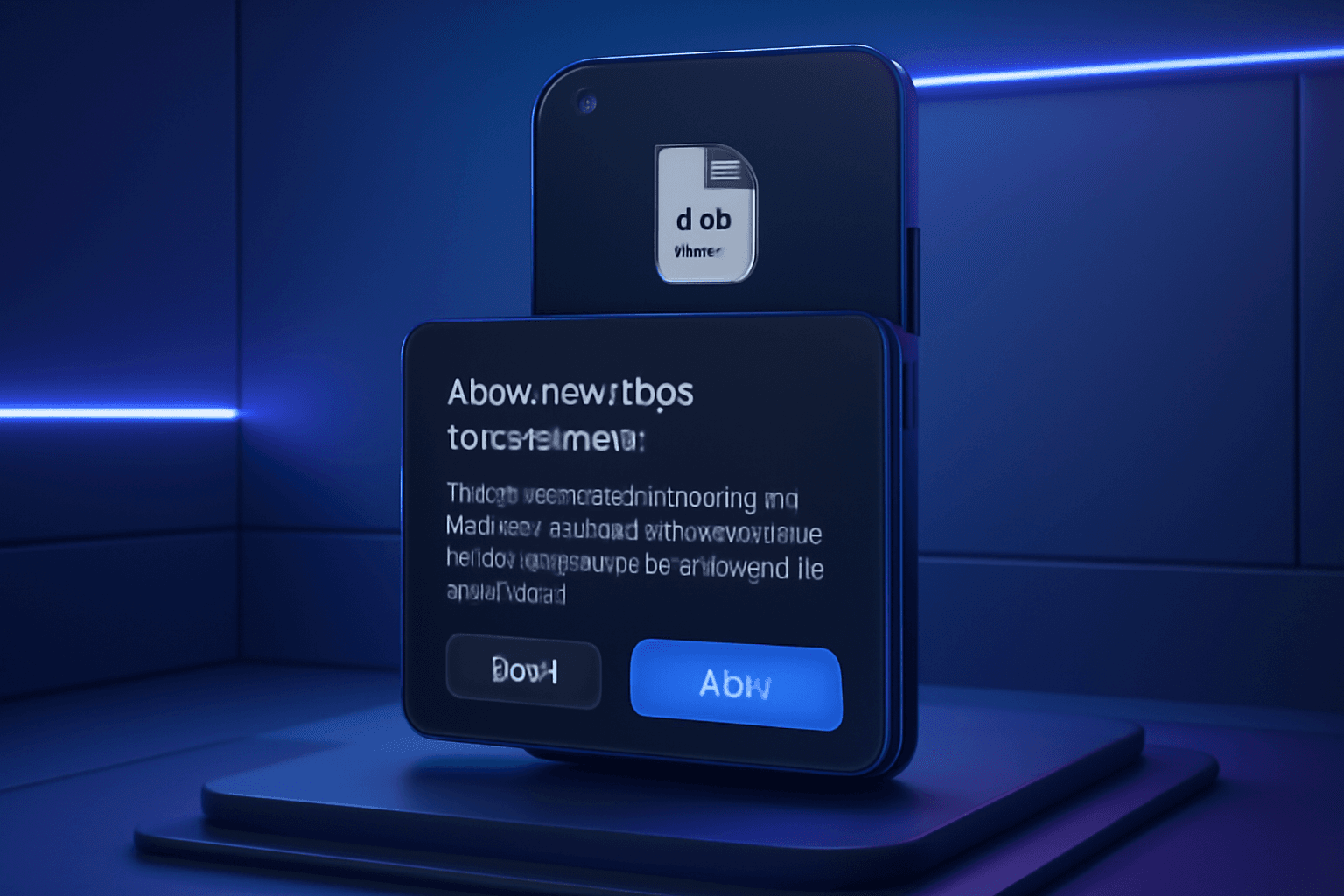
In a move aimed at enhancing user experience and security, Google has released Android 17 QPR2 Beta 4, which introduces significant improvements to the APK sideloading process. This update addresses a long-standing pain point for many users by simplifying how app permissions are granted during sideloading, a practice increasingly common among power users who often install applications from outside official app stores. By focusing on both security and user convenience, Google is responding to the evolving needs of its user base.
Key Features of Android 17 QPR2 Beta 4
Android 17 QPR2 Beta 4 comes packed with features designed to streamline the sideloading process. One of the most notable enhancements is the introduction of an inline dialog for granting app permissions. This feature allows users to manage permissions without leaving the active app, making the installation process more efficient and reducing the friction that often accompanies app installation from unknown sources.
In addition to the inline dialog, the update provides a more intuitive interface for users to navigate through the various permissions required by apps. This is particularly important as the number of apps that require multiple permissions continues to grow, often leading to confusion and frustration among users. By making this process clearer and more accessible, Google is enhancing the overall user experience.
One-Time Installation Permissions
Perhaps the most significant change in this update is the addition of one-time installation permissions for unknown apps. Users can now grant permission for an app to install another app temporarily, with the permission automatically revoked once the installation is complete. This not only enhances security by reducing the risk of malicious software but also provides a more convenient experience for users who may not want to grant permanent permissions.
This feature is particularly relevant in today's digital landscape, where users are increasingly aware of the potential risks associated with downloading apps from unofficial sources. By allowing one-time permissions, Google is empowering users to take control of their security while still enabling them to explore new applications. This change reflects a growing awareness of the need for flexibility in permission management, catering to the diverse preferences of Android users.
Balancing Security and User Convenience
With the new one-time permissions, Google aims to strike a balance between security and user convenience. While users can still choose to provide permanent permissions if they prefer, the option for one-time permissions is a welcome addition for those who prioritize safety. This change reflects a growing awareness of the potential risks associated with sideloading and the need for enhanced security measures.
Moreover, this update is indicative of a broader trend within the tech industry, where companies are increasingly recognizing the importance of user-centric design. By prioritizing security without sacrificing convenience, Google is setting a standard for how software updates should address user concerns. This balance is crucial in maintaining user trust, especially as cyber threats continue to evolve.
Impact on Power Users
For power users who regularly sideload apps, the improvements in Android 17 QPR2 Beta 4 are particularly beneficial. The new inline dialog and one-time permissions simplify the process, allowing for quicker installations without navigating through multiple settings. This update is expected to make the sideloading experience more user-friendly, encouraging users to explore a wider range of applications.
Power users often seek out apps that enhance their device's functionality, and the ability to sideload these apps can significantly expand their options. By making the sideloading process more efficient, Google is not only catering to this demographic but also fostering a culture of experimentation and innovation among users. This could lead to a more vibrant ecosystem of applications, as users feel more empowered to try new and potentially groundbreaking software.
Additional Updates in Android 17 QPR2 Beta 4
Aside from the enhancements to APK sideloading, Android 17 QPR2 Beta 4 also introduces a dedicated Agent Dashboard, which aims to improve overall user interaction with the operating system. This dashboard provides users with a centralized location to manage their apps and settings, further enhancing the usability of the Android platform. These updates demonstrate Google’s commitment to refining the Android experience, focusing on both functionality and user satisfaction.
The Agent Dashboard is designed to provide users with insights into app usage, permissions, and system performance, enabling them to make informed decisions about their device management. This feature aligns with the growing demand for transparency in how apps operate and the permissions they require, which is increasingly important to users who are concerned about privacy and data security.
Conclusion
The release of Android 17 QPR2 Beta 4 marks a significant step forward in addressing the challenges associated with APK sideloading. By implementing one-time installation permissions and streamlining the permission-granting process, Google is enhancing both security and convenience for users. As more individuals explore the benefits of sideloading, these improvements are likely to foster a safer and more accessible environment for app installation.
In conclusion, the updates in Android 17 QPR2 Beta 4 not only reflect Google's responsiveness to user feedback but also highlight the company's commitment to creating a secure and user-friendly ecosystem. As the Android platform continues to evolve, it will be interesting to see how these changes influence user behavior and the overall landscape of app development and installation.
Key Highlights
- Google's Android 17 QPR2 Beta 4 improves APK sideloading processes.
- New inline dialog simplifies granting app permissions during installation.
- One-time installation permissions enhance security without compromising convenience.
- Users can still opt for permanent permissions if desired.
- The update caters especially to power users who sideload apps frequently.
- Android 17 QPR2 Beta 4 also introduces a dedicated Agent Dashboard.
- These changes reflect Google's focus on user safety and experience.
Expert Analysis
Technical Analysis
Android 17 QPR2 Beta 4 introduces enhancements to the APK sideloading experience, primarily focusing on user convenience and security. The update features an inline dialog for granting app permissions, which allows users to manage permissions without leaving the active app. This streamlining reduces friction during installation from unknown sources, addressing a common pain point for power users who sideload applications. Additionally, the update introduces one-time installation permissions, enabling users to grant temporary permissions for app installations that are automatically revoked post-installation. This approach not only enhances security by limiting the potential for malicious software but also caters to user preferences for temporary permissions.
The technical improvements in this update reflect a growing awareness of the need for user-centric design in software development. By balancing security with convenience, Google is responding to the evolving landscape of app usage, where users are increasingly cautious about the risks associated with sideloading. However, while these enhancements improve the user experience, they may also require users to adapt to new permission management practices, which could pose a learning curve for some. Overall, the update demonstrates a commitment to refining the Android experience, though it remains to be seen how effectively users will embrace these changes in their daily app interactions.
Advantages
- Streamlined permission-granting process enhances user convenience during APK sideloading.
- One-time installation permissions improve security by limiting the risk of malicious software.
- Inline dialog for permissions allows users to manage settings without leaving the app.
- Intuitive interface for navigating app permissions reduces user confusion.
- Empowers users to explore new applications while maintaining control over their security.
- Dedicated Agent Dashboard improves overall user interaction and app management.
Disadvantages
- No major disadvantages reported yet.
Real-World Use Cases
- Power users can sideload applications more efficiently with the new inline permission dialog.
- Users concerned about security can utilize one-time installation permissions to limit app access.
- Developers can create applications that require temporary permissions, enhancing user trust.
- Businesses can leverage the improved sideloading process to test and deploy internal applications securely.
- Educational institutions can encourage students to explore educational apps from outside official stores with enhanced security.
Business Impact
The release of Android 17 QPR2 Beta 4 is likely to strengthen Google's position in the competitive mobile operating system market by addressing user needs for security and convenience. As more users adopt sideloading practices, this update could lead to increased app diversity and innovation, benefiting developers and businesses alike. The enhancements may also encourage users to remain within the Android ecosystem, potentially impacting competitors who do not offer similar features.
Furthermore, the introduction of one-time permissions and a dedicated Agent Dashboard could open new revenue opportunities for Google, as users may be more inclined to explore and utilize applications that enhance their device functionality, leading to increased engagement with the platform.
User Impact
Ordinary users stand to benefit significantly from the enhancements in Android 17 QPR2 Beta 4, particularly those who sideload apps. The improved permission management and security features empower users to explore new applications with greater confidence. However, users who prefer a more traditional app installation experience may need to adjust to the new permission structures. Overall, the update is worth adopting for users who value both security and the ability to customize their app experience.
Security & Privacy
The introduction of one-time installation permissions represents a significant improvement in user security, as it reduces the risk associated with granting permanent permissions to unknown apps. This feature aligns with growing user concerns about privacy and data security, allowing individuals to maintain control over their device while exploring new applications. However, users must remain vigilant about the sources from which they sideload apps, as the inherent risks of downloading from unofficial sources still exist.
Future Outlook
In the near term, we can expect Google to continue refining the Android platform based on user feedback and security trends. Future updates may further enhance permission management features and introduce additional user-centric functionalities. As the tech industry increasingly prioritizes user experience, other competitors may feel pressured to adopt similar measures to remain relevant in the market, potentially leading to a broader shift in how app permissions are handled across mobile operating systems.
Expert Summary
The release of Android 17 QPR2 Beta 4 is a significant advancement in addressing the challenges of APK sideloading, enhancing both security and user convenience. This update is particularly relevant for power users and developers, as it fosters a safer environment for app exploration. Stakeholders in the tech industry, including app developers and businesses, should pay attention to these changes, as they may influence user behavior and the overall landscape of app development and installation moving forward.
Originally reported by Android Authority.



