
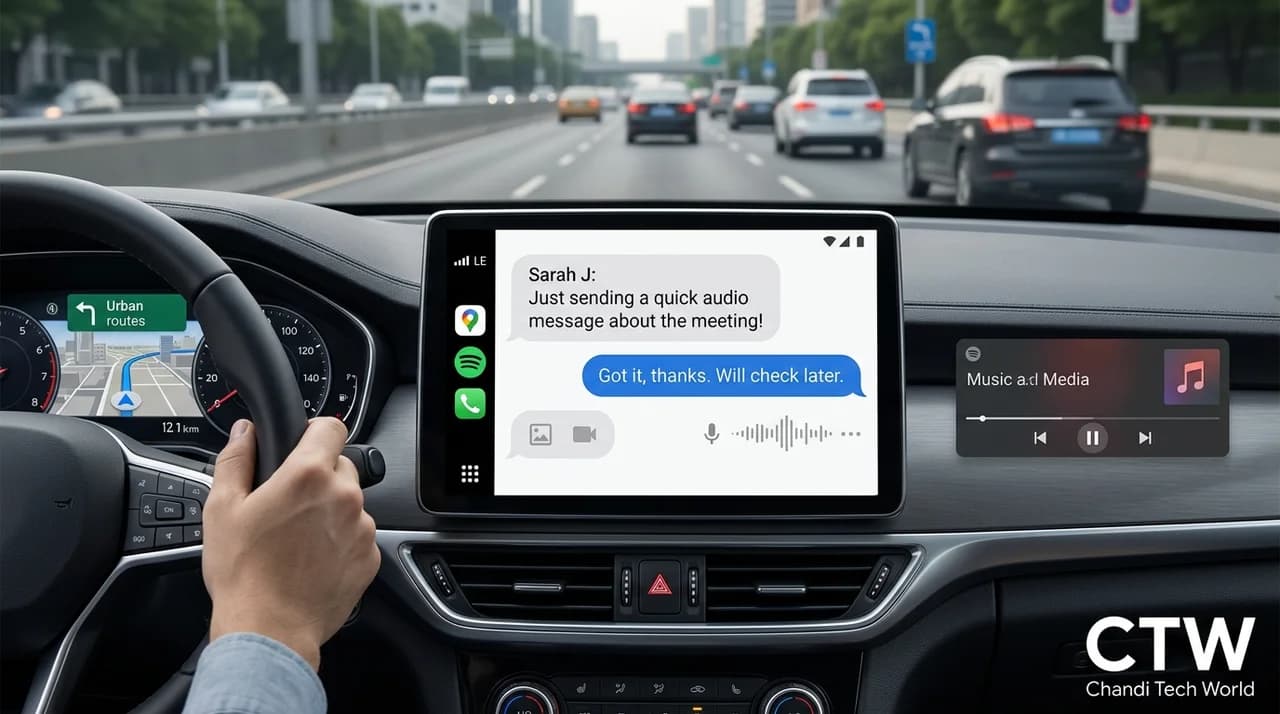
Android Auto has come a long way since its inception, evolving into a robust platform that offers a wide range of features aimed at enhancing the driving experience. Developed by Google, Android Auto allows users to access apps, navigation, and music seamlessly while on the road. However, despite its many advancements, there remains a significant flaw in its messaging system that hampers its overall utility for users. This article delves into the shortcomings of Android Auto's messaging capabilities and the impact they have on everyday users.
Advancements in Android Auto
Over the years, Google has made substantial strides in improving Android Auto, transforming it from a basic tool into a comprehensive driving companion. Users can now perform various tasks without needing to reach for their smartphones, which enhances safety and convenience. Features like voice commands and app integration have made it easier for drivers to stay connected while keeping their focus on the road. The introduction of navigation features that provide real-time traffic updates and suggestions for alternate routes has also contributed to a more efficient driving experience. Furthermore, the compatibility with a wide array of applications allows users to personalize their interaction with the platform, making it more tailored to individual preferences.
The Messaging System: A Major Shortcoming
Despite the overall improvements, the messaging system within Android Auto remains a point of contention. While it allows users to send and receive messages through supported apps, the functionality is limited and often frustrating. Many users have expressed their dissatisfaction with the lack of essential features that would make messaging more efficient and user-friendly. The inability to engage in a more dynamic conversation through multimedia messaging is a glaring omission that stands out in an era where communication has become increasingly visual and interactive.
Missing Features That Hinder Usability
One of the most significant issues with the messaging system is the absence of rich messaging capabilities. Users expect to be able to send images, videos, and other media files easily, but the current setup is primarily text-based. This limitation detracts from the overall user experience, especially for those who rely on multimedia communication. In a world where social media and instant messaging apps thrive on visual content, the inability to share such media through Android Auto feels like a step back. This is particularly relevant for users who may want to share their location, send a quick photo, or even share a video clip while on the go.
Voice Command Limitations
While voice commands are a hallmark of Android Auto, they fall short when it comes to messaging. Users often find that the voice recognition system struggles to interpret commands accurately, leading to errors and frustration. A more sophisticated voice command feature could greatly enhance the messaging experience, allowing for hands-free communication that is both efficient and reliable. The current limitations in voice recognition not only slow down the messaging process but can also lead to misunderstandings, which could potentially distract drivers when they are trying to stay focused on the road.
User Experience and Realism
As a daily user of Android Auto, I appreciate the platform's capabilities but remain realistic about its shortcomings. The messaging system, in particular, feels outdated compared to other messaging platforms that offer a richer, more interactive experience. It’s crucial for Google to acknowledge these issues and prioritize enhancements to the messaging features in future updates. The disparity between the advancements in other areas of Android Auto and the stagnation of its messaging capabilities is striking. Users are looking for a cohesive experience that integrates all aspects of their digital communication, and the current limitations can detract from the overall satisfaction with the platform.
Conclusion: The Path Forward
In conclusion, while Android Auto has made significant progress in many areas, its messaging system is in dire need of improvement. Users expect a seamless and feature-rich communication experience, and the current limitations hinder that expectation. For Android Auto to maintain its status as a leader in automotive software, Google must focus on refining the messaging capabilities to meet the needs of modern users. This means not only addressing the current shortcomings but also anticipating future trends in communication and integrating those into the platform. By doing so, Google can ensure that Android Auto remains relevant and continues to enhance the driving experience for users.
Key Takeaways
- Android Auto has evolved into a feature-rich platform for drivers.
- Despite advancements, the messaging system lacks essential functionalities.
- Users are frustrated by the inability to send multimedia messages.
- Voice command limitations hinder the messaging experience.
- Improvements in messaging features are crucial for user satisfaction.
- Google needs to prioritize enhancements to stay competitive.
- A realistic view of Android Auto acknowledges both its strengths and weaknesses.
Key Highlights
- Android Auto has improved significantly over the years.
- The messaging system lacks essential features like multimedia support.
- Voice command functionality is often inaccurate and frustrating.
- Users expect a seamless communication experience while driving.
- Google needs to prioritize updates to the messaging system.
- The current limitations hinder the overall user experience.
- A realistic perspective acknowledges both the strengths and weaknesses of Android Auto.
Expert Analysis
Technical Analysis
Android Auto is a software platform developed by Google that allows users to access various applications, navigation tools, and music services while driving. It operates by connecting a smartphone to a vehicle's infotainment system, enabling hands-free control through voice commands and a simplified interface. This technology aims to enhance safety and convenience by minimizing distractions for drivers, allowing them to stay connected without needing to handle their smartphones directly.
Despite its advancements, the messaging system within Android Auto presents significant limitations. While it supports sending and receiving messages through compatible apps, it lacks rich messaging capabilities that are now standard in many communication platforms. Users are unable to send multimedia messages, such as images or videos, which detracts from the overall user experience. Additionally, the voice command feature, although integral to the platform, struggles with accuracy, leading to misunderstandings and potential distractions for drivers. These shortcomings highlight the need for further development to meet the evolving communication needs of users.
Advantages
- Enhances safety by allowing hands-free access to apps and messages.
- Integrates navigation features that provide real-time traffic updates.
- Offers compatibility with a wide range of applications for personalized user experience.
- Improves convenience by reducing the need to reach for smartphones while driving.
Disadvantages
- Limited messaging capabilities that do not support multimedia content.
- Voice command system struggles with accuracy, leading to user frustration.
- Current messaging features feel outdated compared to other platforms.
Real-World Use Cases
- Drivers can use Android Auto to access navigation apps while receiving text messages without taking their hands off the wheel.
- Users can listen to music and manage calls through voice commands, enhancing the driving experience.
- Individuals can customize their Android Auto interface with preferred applications for a more tailored experience.
Business Impact
The shortcomings in Android Auto's messaging system may impact Google's competitive edge in the automotive software market. As users increasingly expect seamless and feature-rich communication tools, failure to address these limitations could lead to a decline in user satisfaction and retention. Competitors offering more robust messaging solutions may attract users away from Android Auto, potentially affecting Google's market share and revenue opportunities in this sector.
User Impact
Ordinary users who rely on Android Auto for communication while driving may find the current messaging limitations frustrating, particularly those accustomed to rich multimedia interactions. While the platform offers significant benefits in terms of safety and convenience, the lack of essential messaging features could deter some users from fully embracing the technology. For those who prioritize seamless communication, it may be worth considering alternative solutions until improvements are made.
Security & Privacy
Security and privacy analysis not applicable.
Future Outlook
In the near term, it is likely that Google will prioritize enhancements to the messaging capabilities of Android Auto in response to user feedback. As communication trends continue to evolve, integrating rich messaging features and improving voice command accuracy will be essential for maintaining user engagement. The automotive software industry is expected to see increased competition, prompting Google to innovate and refine its offerings to remain a leader in this space.
Expert Summary
The analysis of Android Auto's messaging system highlights a critical area for improvement within an otherwise robust platform. Users and industry stakeholders should pay attention to how Google addresses these shortcomings, as they could significantly influence user satisfaction and competitive positioning in the automotive software market. Overall, while Android Auto has made strides in enhancing the driving experience, the need for a more comprehensive messaging solution is evident.
Originally reported by Android Authority.



