
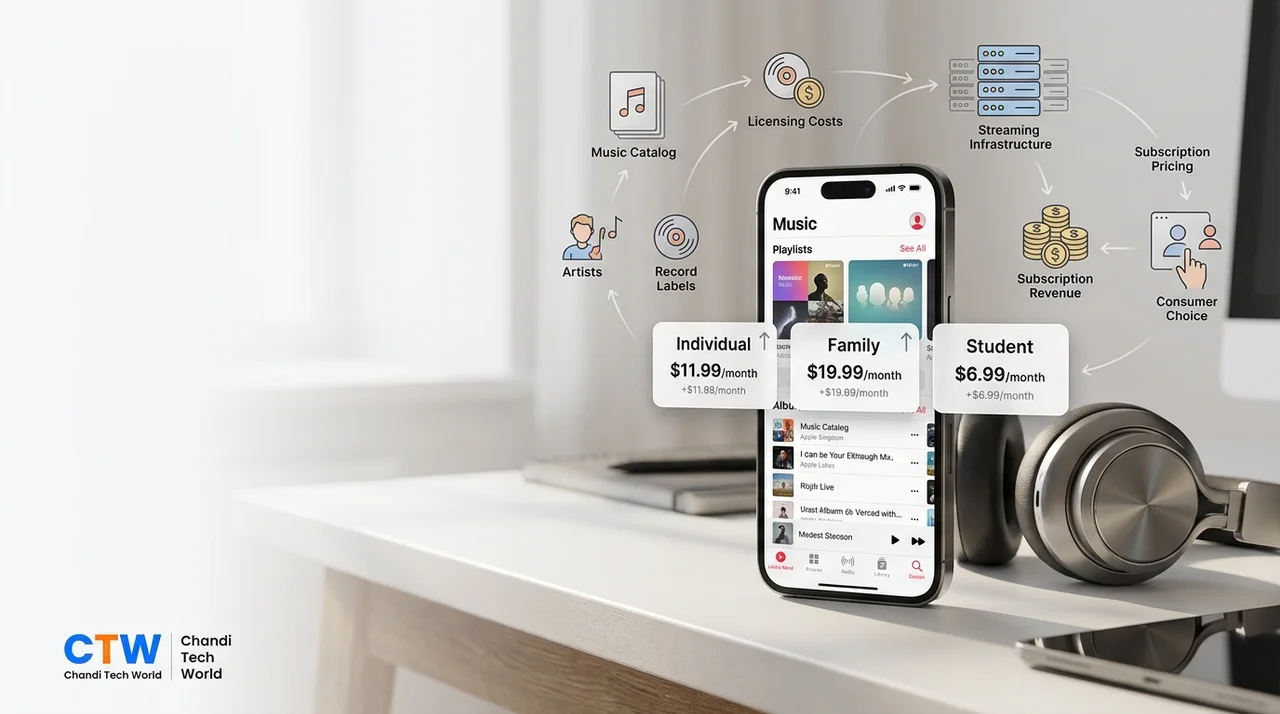
Apple Music has officially raised its subscription prices, a move that reflects the ongoing challenges posed by increasing licensing costs in the music streaming industry. This adjustment affects various subscription tiers, including individual, family, and student plans, marking a significant shift for users of the service. As the music streaming market matures, such price increases are becoming more common, prompting both consumers and industry analysts to reassess the value of these services.
New Pricing Structure
As of now, the individual subscription plan for Apple Music costs $11.99 per month, which is a $1 increase from the previous rate of $10.99. For family plans, the price has jumped to $19.99 per month, up from $16.99. Students will also feel the impact, with their plan now priced at $6.99, an increase from $5.99. These changes are part of a broader trend in the music streaming market as companies respond to rising operational costs. With these adjustments, Apple Music aims to maintain its competitive edge while ensuring that it can continue to provide a diverse and extensive music library to its subscribers.
Reasons Behind the Price Hike
Apple has attributed this price increase to the rising licensing costs associated with music streaming. In a statement to Music Business Worldwide, the company emphasized that the adjustments were necessary to maintain the quality and breadth of its music catalog. As licensing fees continue to climb, many streaming services are reassessing their pricing models to ensure sustainability. This trend is not merely a reaction to inflation; it is also a response to the evolving landscape of music rights and the increasing demands from artists and record labels for fair compensation. The need for a robust catalog that appeals to a wide audience necessitates a financial structure that can support these costs.
Impact on Users
For existing Apple Music subscribers, this price increase may lead to some reconsideration of their subscription choices. While the service offers a vast library and unique features, users will need to weigh these benefits against the new costs. Many subscribers may question whether the enhancements in service, such as exclusive releases or curated playlists, justify the higher price. It remains to be seen how this price adjustment will affect user retention and acquisition, particularly in an increasingly competitive market where alternatives are readily available. The decision to raise prices could alienate some users, but it may also attract those who prioritize quality and exclusivity in their music streaming experience.
Industry-Wide Trends
Apple Music is not alone in this pricing shift; similar increases have been reported in the UK and Europe, indicating a wider trend across the music streaming landscape. As licensing costs rise globally, many services may follow suit, which could lead to a reevaluation of subscription models in the industry. This trend poses questions about the long-term sustainability of current pricing strategies. As consumers become accustomed to subscription services, they may also develop expectations regarding the value they receive for their money. If multiple platforms raise their prices simultaneously, it could lead to a market correction where users begin to prioritize value over brand loyalty.
Comparison with Competitors
As Apple Music raises its prices, competitors like Spotify and Amazon Music may also face pressure to adjust their subscription rates. The landscape is evolving, and with services competing not just on music selection but also pricing, consumers may find themselves with more options than ever. However, the increase in costs could lead to a more cautious approach from potential subscribers. For instance, if Spotify maintains its pricing while Apple Music increases its rates, it may attract users who are price-sensitive but still desire a comprehensive music experience. This dynamic could lead to a shake-up in market shares as users reassess their subscriptions based on both price and perceived value.
Looking Ahead
As the music streaming market continues to evolve, it will be crucial for companies like Apple to balance profitability with user satisfaction. The recent price hikes may be a necessary step for Apple Music, but they also highlight the challenges that come with navigating a rapidly changing industry. Subscribers will be watching closely to see how Apple and its competitors adapt in the coming months. The success of these pricing strategies will depend not only on how well they are communicated to users but also on the tangible benefits that subscribers perceive in their service. Companies may need to innovate further, offering enhanced features or exclusive content to justify the increased costs.
Conclusion
The recent price increases for Apple Music subscriptions reflect broader trends within the music streaming sector, driven by rising licensing costs. As consumers adjust to these new rates, the impact on user behavior and competition will be significant. Apple Music's decision underscores the importance of sustainability in an industry that is constantly evolving. As the market continues to mature, both consumers and providers will need to navigate these changes thoughtfully, ensuring that the future of music streaming remains vibrant and accessible.
Key Highlights
- Apple Music has increased its individual subscription price to $11.99 per month.
- Family plans now cost $19.99, up from $16.99.
- Student subscriptions have risen to $6.99, previously $5.99.
- The price hikes are attributed to rising licensing costs.
- Similar increases have been reported in the UK and Europe.
- These changes may prompt users to reconsider their subscription choices.
- The trend indicates potential pricing adjustments across the music streaming industry.
- Competitors like Spotify may also feel pressure to raise their prices.
Expert Analysis
Technical Analysis
The technology involved in Apple Music is primarily centered around digital streaming, which allows users to access a vast library of music through the internet. This service operates on a subscription model, providing users with various tiers of access, including individual, family, and student plans. The underlying technology includes advanced algorithms for music recommendation and curation, which enhance user experience by personalizing content based on listening habits. The recent price increase is attributed to rising licensing costs, which are essential for maintaining a comprehensive and legally compliant music catalog.
Apple Music's approach to streaming differs from competitors by focusing on exclusive content and curated playlists, which aim to enhance user engagement. However, the service faces limitations, such as the potential alienation of price-sensitive users and the challenge of justifying the increased costs through tangible benefits. As the music streaming landscape evolves, the need for companies to balance operational costs with user satisfaction becomes increasingly critical, especially as competition intensifies.
Advantages
- Access to a vast and diverse music library.
- Exclusive releases and curated playlists enhance user experience.
- Multiple subscription tiers cater to different user needs and budgets.
- Ability to maintain quality and breadth of the music catalog despite rising costs.
Disadvantages
- Increased subscription costs may deter price-sensitive users.
- Potential alienation of existing subscribers due to higher prices.
- Market competition may lead to users reassessing their subscription choices.
Real-World Use Cases
- Individuals seeking a comprehensive music streaming experience with exclusive content.
- Families wanting to share a single subscription across multiple users.
- Students looking for affordable access to a vast music library.
- Music enthusiasts who prioritize quality and curated playlists over cost.
Business Impact
The price increase for Apple Music reflects broader trends in the music streaming industry, where rising licensing costs are prompting companies to reassess their pricing strategies. This move may influence competitors like Spotify and Amazon Music to adjust their subscription rates as well, potentially leading to a shift in market dynamics. As companies navigate these changes, there are opportunities for revenue growth, but also risks associated with user retention and acquisition in a competitive landscape.
With consumers becoming more discerning about the value they receive for their money, Apple Music's pricing strategy will be closely monitored. The success of this adjustment may depend on how well Apple communicates the benefits of its service and whether it can continue to innovate to meet user expectations.
User Impact
Existing Apple Music subscribers may need to reconsider their subscription choices in light of the new pricing structure. While the service offers a rich library and unique features, the increased costs could lead some users to question whether these benefits justify the higher price. Ordinary users should care about this development as it may affect their access to music and the overall value proposition of streaming services. The price increase could either drive users towards alternatives that offer better value or reinforce loyalty among those who prioritize quality and exclusivity in their music streaming experience.
Security & Privacy
Security and privacy analysis not applicable.
How It Compares
- Apple Music's price increase may pressure competitors like Spotify to adjust their rates.
- If Spotify maintains its pricing while Apple Music raises its rates, it could attract price-sensitive users.
Future Outlook
In the near term, the music streaming industry is likely to see more companies reassessing their pricing models in response to rising operational costs. As Apple Music and its competitors navigate these changes, there may be a push for enhanced features or exclusive content to justify higher subscription fees. Additionally, companies will need to communicate effectively with users to maintain loyalty and satisfaction in a competitive market where value perception is crucial.
Expert Summary
The recent price increases for Apple Music subscriptions highlight significant trends in the music streaming industry, driven by rising licensing costs. Stakeholders, including consumers and industry analysts, should pay attention to how these changes impact user behavior and competition. Overall, while the price hike may be necessary for sustainability, it poses challenges for user retention and market dynamics, making it essential for Apple Music to demonstrate clear value to its subscribers.
Originally reported by The Verge.



