
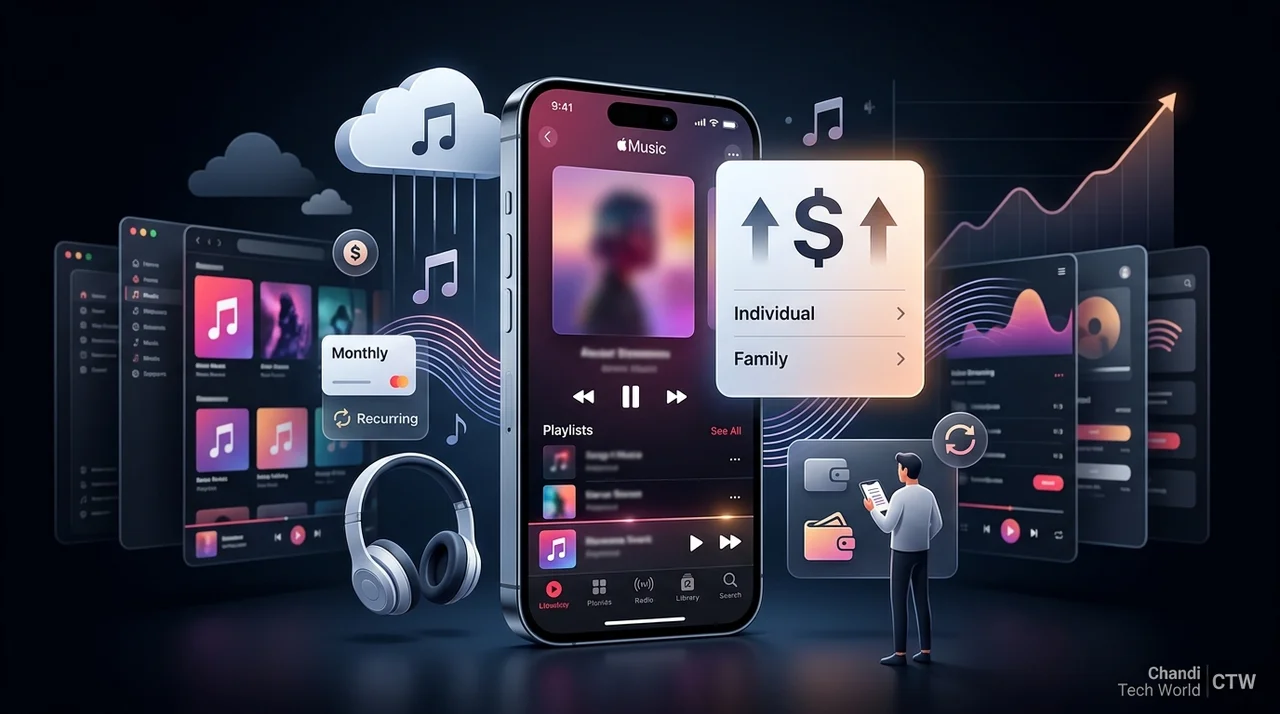
In a recent development that reflects the broader trend of rising costs in the streaming industry, Apple Music has increased its subscription prices. This marks the first price adjustment for the service since 2022, and while it was not accompanied by a formal announcement from Apple, the changes are evident on the company’s website. The increase in subscription fees comes at a time when many consumers are already feeling the pinch of inflation and rising living costs, making the decision to raise prices particularly noteworthy.
New Pricing Structure
The updated pricing for Apple Music's subscription plans now places the Individual plan at $11.99 per month, while the Family plan has risen to $19.99 per month. This increase varies between $1 to $3 depending on the subscription type, indicating a strategic adjustment by Apple to align with market trends. Such incremental price hikes can be seen as a way for Apple to maintain its profit margins without alienating its user base too drastically. However, it also raises questions about the sustainability of subscription models in an increasingly competitive market.
Impact on Subscribers
For existing subscribers, this increase may come as an unwelcome surprise, especially given the ongoing economic pressures that many consumers are facing. The price hikes could prompt some users to reconsider their subscription options, particularly in a competitive streaming landscape where alternatives are plentiful. With many consumers tightening their budgets, the decision to continue with Apple Music may hinge on the perceived value of the service compared to its competitors. This could lead to a potential churn in subscribers as users evaluate whether the benefits of Apple Music justify the new costs.
Industry Trends
The move by Apple Music is not an isolated incident; it aligns with a wider trend among streaming services that have been adjusting their pricing structures in response to increased operational costs. Many platforms have faced similar pressures, leading to price increases across the board as they strive to maintain profitability. Factors such as rising licensing fees, increased content production costs, and inflation have all contributed to this trend. As a result, consumers may need to brace themselves for further price adjustments in the future as companies seek to balance their financial health with user retention.
Comparison with Competitors
As Apple Music raises its prices, it’s important to consider how these changes stack up against competitors like Spotify and Amazon Music. Both services have also made adjustments to their pricing in recent years, reflecting the same economic pressures that Apple faces. Here’s a quick comparison of current prices:
- Apple Music Individual Plan: $11.99
- Apple Music Family Plan: $19.99
- Spotify Individual Plan: $9.99
- Amazon Music Individual Plan: $9.99
In this context, Apple Music's pricing remains on the higher end of the spectrum. While the service is known for its extensive library and exclusive content, the price differential could encourage potential subscribers to explore more affordable options. This competitive landscape poses a challenge for Apple Music, as it must not only justify its pricing but also continue to innovate and provide value that resonates with its audience.
Consumer Reactions
The reaction from consumers has been mixed. Some users express frustration over the price increases, feeling that the value proposition of streaming services is diminishing as costs rise. The sentiment among some subscribers is that they are being asked to pay more for the same service, which can lead to dissatisfaction and a sense of being taken for granted. Others, however, remain loyal to Apple Music for its exclusive content and features, suggesting that the brand loyalty may mitigate the impact of these price hikes. This loyalty is often fueled by the seamless integration of Apple Music with other Apple services and devices, which can enhance the overall user experience.
Conclusion
As Apple Music implements these price increases, it serves as a reminder of the ongoing challenges in the streaming industry. With rising costs becoming a common theme, consumers must weigh their options carefully. Whether Apple Music can retain its subscriber base amidst these changes remains to be seen, but the trend of increasing prices is likely to continue as services adapt to the evolving market landscape. Ultimately, the success of Apple Music will depend not only on its pricing strategy but also on its ability to deliver unique and compelling content that keeps subscribers engaged and satisfied.
Key Highlights
- Apple Music has raised its subscription prices for the first time since 2022.
- The Individual plan now costs $11.99 per month, while the Family plan is $19.99.
- Price increases range from $1 to $3 depending on the plan.
- These changes reflect a broader trend of rising costs in the streaming industry.
- Apple has not made a formal announcement regarding the price hikes.
- Competitors like Spotify and Amazon Music have also adjusted their pricing in recent years.
- Consumer reactions to the price increase have been mixed, with some expressing frustration.
- Brand loyalty may help Apple Music retain subscribers despite the price hikes.
Expert Analysis
Technical Analysis
The technology involved in Apple Music primarily revolves around digital streaming, which allows users to access a vast library of music via the internet. This service utilizes cloud computing to store and deliver content, enabling seamless playback across various devices. The subscription model is designed to provide users with unlimited access to music without the need for physical media, solving the problem of music ownership in an increasingly digital world. Apple Music differentiates itself through exclusive content, curated playlists, and integration with other Apple services, which enhances user experience and engagement.
However, the service faces limitations typical of streaming platforms, such as dependency on internet connectivity and potential latency issues. Additionally, the price increase may challenge its competitive positioning against rivals like Spotify and Amazon Music, which offer lower-priced plans. The sustainability of subscription models in a competitive landscape is also a concern, as consumers may seek alternatives that provide better value for their money.
Advantages
- Access to a vast library of music and exclusive content.
- Seamless integration with other Apple services and devices.
- Curated playlists and personalized recommendations enhance user experience.
- Potential for brand loyalty due to Apple's ecosystem.
Disadvantages
- Price increases may lead to subscriber churn as users evaluate alternatives.
- Higher pricing compared to competitors like Spotify and Amazon Music.
- Consumer frustration over perceived diminishing value of streaming services.
Real-World Use Cases
- Individuals can enjoy a diverse music library on-the-go through mobile devices.
- Families can share a subscription, allowing multiple users to access content simultaneously.
- Developers can integrate Apple Music into apps to enhance user engagement with music.
- Educational institutions can utilize Apple Music for music education and resources.
Business Impact
The price increase by Apple Music reflects broader trends in the streaming industry, where rising operational costs are prompting similar adjustments across various platforms. This move could impact Apple's competitive positioning, as it now sits at a higher price point compared to rivals. The challenge for Apple Music will be to justify these costs through unique offerings and maintain its subscriber base in a market that is increasingly price-sensitive. Additionally, the potential for churn may open opportunities for competitors to attract disillusioned subscribers.
As streaming services continue to adapt their pricing strategies, the industry may see further consolidation or innovation as companies seek to balance profitability with user retention. This could lead to new revenue opportunities for platforms that successfully differentiate themselves in a crowded market.
User Impact
Ordinary users may feel the impact of the price increase, particularly those already facing economic pressures. The decision to continue with Apple Music will likely depend on individual perceptions of value compared to cheaper alternatives. While some users may remain loyal due to exclusive content and integration with Apple devices, others may reconsider their subscriptions in light of rising costs. This suggests that consumers should evaluate their options carefully and consider whether the benefits of Apple Music justify the new pricing structure.
Security & Privacy
Security and privacy analysis not applicable.
How It Compares
- Apple Music's Individual Plan is priced at $11.99, while Spotify and Amazon Music offer their plans at $9.99.
- The Family Plan for Apple Music is $19.99, which may be seen as less competitive compared to similar offerings from rivals.
Future Outlook
In the near term, Apple Music may need to focus on enhancing its value proposition to retain subscribers amidst rising prices. This could involve expanding exclusive content offerings or improving user experience through new features. Additionally, as competition intensifies, Apple may explore partnerships or innovations that differentiate its service from others in the market. The ongoing trend of price adjustments suggests that consumers should remain vigilant for further changes in subscription models across the streaming landscape.
Expert Summary
The recent price increase for Apple Music is a significant development in the streaming industry, highlighting the challenges faced by services in maintaining profitability while retaining subscribers. Stakeholders, including consumers and competitors, should pay attention to how these changes affect market dynamics and user behavior. Overall, Apple Music's ability to justify its pricing through unique offerings will be crucial for its success in an increasingly competitive environment.
Originally reported by Android Authority.



