
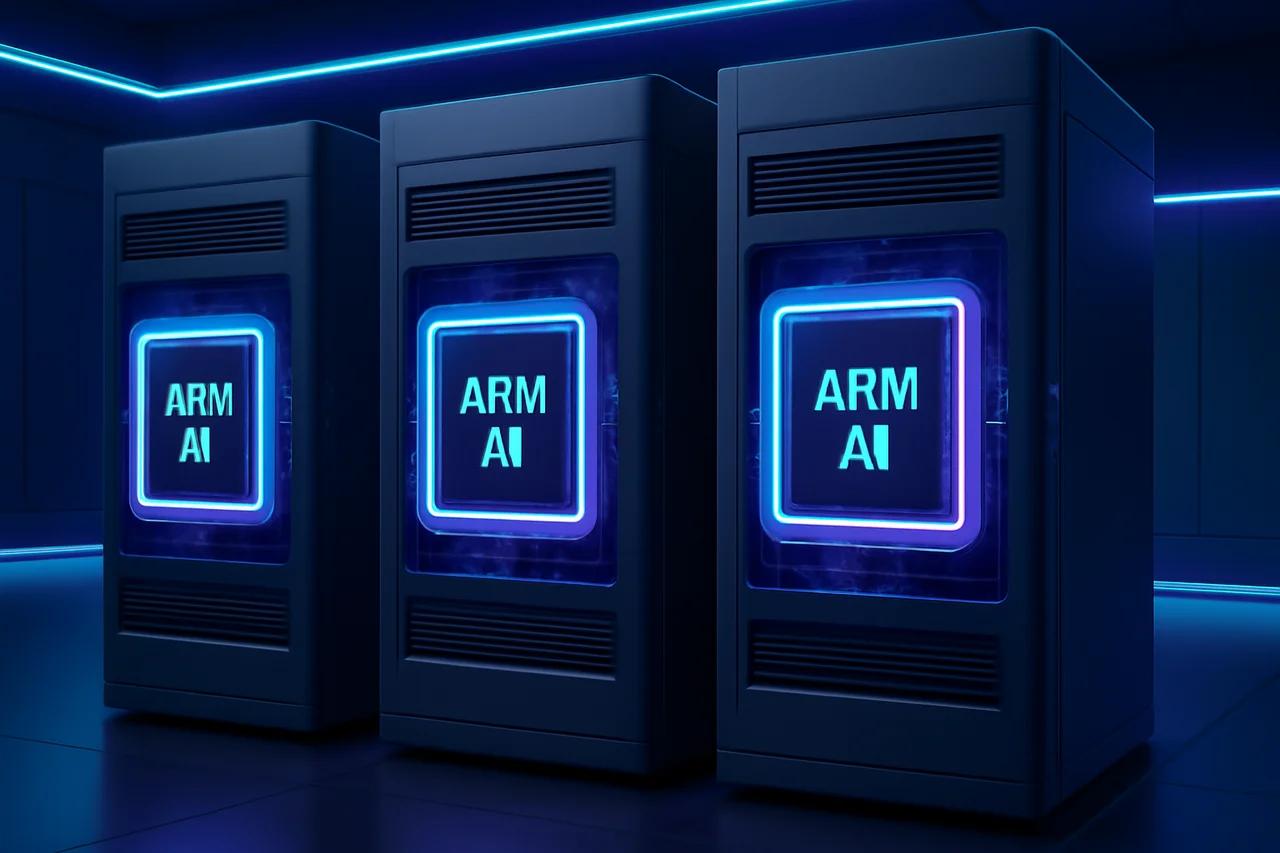
In a surprising turn of events, Apple may be planning to re-enter the server market, a sector it exited over a decade ago with the retirement of its Xserve line in 2011. This potential move comes as the demand for compute power surges in the rapidly evolving artificial intelligence (AI) landscape. Reports suggest that the tech giant is contemplating a partnership with Nvidia, a company renowned for its GPU technology, to enhance its offerings in this domain.
Apple's Historical Context in Server Production
Apple's foray into server production began with the introduction of the Xserve in 2002. The Xserve was designed to meet the needs of enterprise customers, providing a reliable and efficient server solution for businesses. However, as the tech landscape shifted towards consumer-focused products, Apple phased out the Xserve in 2011, redirecting its resources to enhance its lineup of personal computing devices. This strategic pivot allowed Apple to solidify its position in the consumer market, leaving the enterprise server market to competitors like Dell and HP, who have since dominated this space.
Emerging Opportunities in AI
The resurgence of interest in servers can be attributed to the explosive growth of the AI industry. As businesses increasingly rely on AI technologies for data analysis, machine learning, and automation, the demand for robust computing power has never been higher. Apple's ARM-based M processors, which have gained popularity in devices such as the Mac Mini and Mac Studio, have demonstrated impressive performance in AI workloads, making them suitable for enterprise applications. This creates a unique opportunity for Apple to leverage its existing technology in a new market segment, potentially positioning itself as a formidable player in the server space once again.
Potential Collaboration with Nvidia
Reports indicate that Apple is considering a collaboration with Nvidia, which could provide the necessary expertise in GPU technology to enhance Apple's server capabilities. Nvidia's graphics processing units are widely regarded as essential for AI applications, particularly in tasks that require high levels of parallel processing. A partnership with Nvidia could significantly bolster Apple's competitive edge in the server market, allowing it to integrate advanced GPU capabilities with its ARM architecture. This collaboration would not only tap into Nvidia's strengths but also allow Apple to offer a more comprehensive solution for enterprises looking to harness AI effectively.
Projected Timeline for Server Product Launch
While discussions and planning are underway, any new server product from Apple is not expected to debut until at least 2029. This timeline reflects the company's cautious approach to re-entering a market it has long abandoned. The development of a new server line will require significant investment and innovation to ensure it meets the demands of modern enterprises. Apple will need to conduct extensive research and development to create a product that not only competes with existing solutions but also sets a new standard in performance and efficiency.
Market Implications and Competition
Should Apple successfully launch a new server product, it could disrupt the current landscape dominated by established players. The combination of Apple's efficient ARM architecture and Nvidia's powerful GPUs could offer a compelling alternative for businesses seeking high-performance computing solutions. Additionally, Apple's reputation for user-friendly design and seamless integration across its ecosystem may appeal to enterprises looking for reliable and easy-to-manage server solutions. This potential re-entry into the server market not only highlights Apple's adaptability but also underscores the growing significance of AI in shaping technological trends. Competitors will need to respond strategically to maintain their market share in the face of Apple's renewed interest.
Conclusion: A Strategic Shift for Apple
Apple's contemplation of a return to server production marks a significant strategic shift for the company. As it seeks to capitalize on the burgeoning AI industry, the partnership with Nvidia could pave the way for innovative solutions that cater to enterprise needs. With the projected debut of a new server product in 2029, the tech world will be watching closely to see how Apple navigates this complex landscape and re-establishes its presence in the server market. The implications of this move could resonate throughout the industry, potentially reshaping how enterprises approach their computing needs in an increasingly AI-driven world.
Key Highlights
- Apple is considering a return to the server market after retiring its Xserve line in 2011.
- The potential collaboration with Nvidia aims to leverage AI's growing demand for compute power.
- Apple's ARM-based M processors have gained popularity among AI developers.
- The new server product is expected to debut no earlier than 2029.
- The move reflects Apple's strategic shift to tap into the expanding AI industry.
- A successful launch could disrupt the current server market dominated by other manufacturers.
- Apple's focus on enterprise machines indicates a significant change in its product strategy.
Expert Analysis
Technical Analysis
Apple's potential return to server production involves the use of its ARM-based M processors, which have shown strong performance in AI workloads. These processors are designed to efficiently handle tasks that require significant compute power, making them suitable for enterprise applications that increasingly rely on artificial intelligence for data processing and automation. By leveraging its existing technology, Apple aims to create a competitive server solution that meets the demands of modern enterprises, particularly in the context of the growing AI market.
The collaboration with Nvidia is a critical aspect of this strategy, as Nvidia's GPUs are essential for high-performance AI applications. This partnership could enhance Apple's server capabilities by integrating advanced graphics processing technology with its ARM architecture. However, the development of a new server line will require substantial investment and innovation to ensure it not only competes with existing solutions but also sets new standards in performance and efficiency. The timeline for the product's debut in 2029 reflects a cautious approach, indicating that Apple is aware of the challenges involved in re-entering a market it exited over a decade ago.
Advantages
- Utilization of ARM-based M processors for efficient performance in AI workloads.
- Potential collaboration with Nvidia to enhance server capabilities with advanced GPU technology.
- Opportunity to leverage existing technology for a new market segment.
- Apple's reputation for user-friendly design and seamless integration may appeal to enterprise customers.
Disadvantages
- Significant investment and innovation required to develop a competitive product.
- Long timeline for product debut (2029) may delay market entry.
- No major disadvantages reported yet.
Real-World Use Cases
- Businesses seeking high-performance computing solutions for AI applications.
- Enterprises looking for reliable and easy-to-manage server solutions.
- Organizations needing robust computing power for data analysis and machine learning.
Business Impact
If Apple successfully launches its new server product, it could disrupt the current market dominated by established players like Dell and HP. The combination of Apple's efficient ARM architecture and Nvidia's powerful GPUs may provide a compelling alternative for businesses. This move could also reshape how enterprises approach their computing needs, particularly in an AI-driven landscape, creating new revenue opportunities for Apple in the enterprise sector.
User Impact
Ordinary users may not directly benefit from Apple's server production, but businesses that rely on such technology could see improved performance and efficiency in their operations. As Apple re-establishes its presence in the server market, it could lead to more competitive offerings, which may ultimately benefit users through better services and solutions. For enterprises, the anticipated innovations could be worth adopting, especially if they align with their AI and computing needs.
Security & Privacy
Security and privacy analysis not applicable.
Future Outlook
In the near term, Apple is likely to focus on extensive research and development to ensure its new server product meets modern enterprise demands. The collaboration with Nvidia could lead to significant advancements in server technology, potentially setting new benchmarks in performance and efficiency. As the AI industry continues to grow, Apple's strategic re-entry into the server market may prompt competitors to innovate and adapt their offerings to maintain market share.
Expert Summary
Apple's potential return to server production is a significant development in the tech industry, particularly as it seeks to capitalize on the growing AI market. Stakeholders in the enterprise sector should pay attention to how this move could reshape their computing needs and the competitive landscape. Overall, this strategic shift highlights Apple's adaptability and commitment to leveraging its technology in new ways, suggesting a promising future for its server ambitions.
Originally reported by The Verge.



