
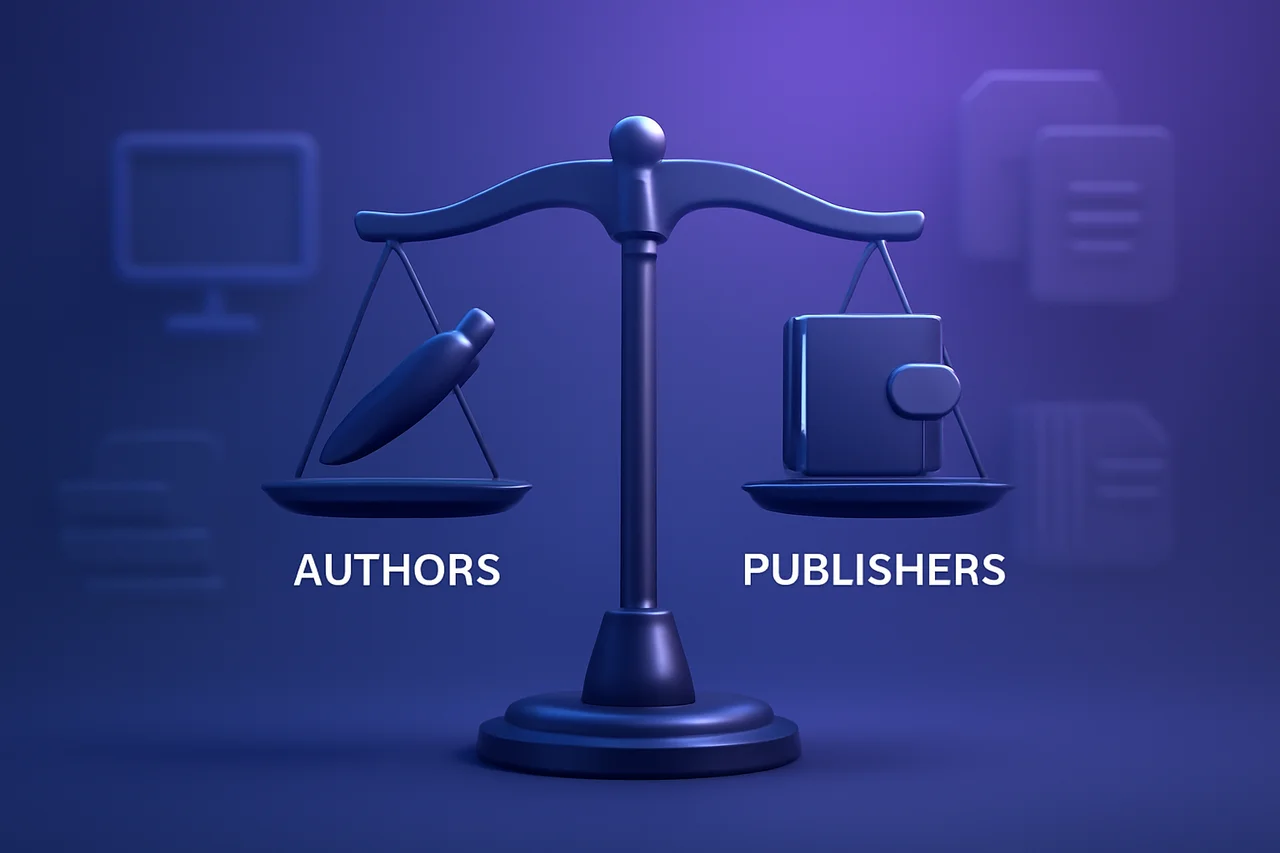
The landscape of publishing is once again under scrutiny as authors raise alarms over the distribution of settlement payments linked to Anthropic. This latest controversy sheds light on the ongoing tensions between authors and the publishing industry, particularly regarding financial claims. As the industry grapples with these issues, the implications could reverberate through the author-publisher relationship for years to come.
Background on the Anthropic Settlement
Anthropic, a company known for its work in artificial intelligence, has recently been involved in a settlement that has sparked significant debate within the literary community. While the specifics of the settlement remain largely undisclosed, it has prompted authors to examine how the resulting payments are being allocated among publishers and agents. This scrutiny comes at a time when the publishing industry is already facing challenges related to digital transformation and evolving market dynamics.
Authors Voice Their Concerns
In a bold move, authors have begun to vocalize their frustrations, suggesting that publishers appear to be claiming more than their fair share of the settlement funds. This assertion has led to a growing divide between the interests of authors and those of the publishing houses that represent them. Many authors feel that their creative contributions are being overshadowed by the financial ambitions of larger publishing entities. This sentiment is not new; it reflects a long-standing concern within the literary community about the balance of power in contract negotiations and revenue sharing.
The Role of Publishers and Agents
Publishers and agents play a critical role in the ecosystem of book publishing, often acting as intermediaries between authors and the market. They are responsible for promoting works, negotiating contracts, and managing the business side of publishing. However, the current situation raises questions about transparency and fairness in how settlement payments are distributed. Authors argue that their contributions are being undervalued in favor of larger financial claims from publishing entities. This has led to calls for a reevaluation of the traditional roles that publishers and agents play, as well as how they communicate financial matters to authors.
Impact on the Author-Publisher Relationship
This dispute is not merely a financial issue; it touches on the broader relationship between authors and publishers. Many authors feel that the current claims threaten to undermine the trust that is fundamental to their partnerships with publishers. The author-publisher relationship is built on collaboration, creativity, and mutual benefit, and when financial disputes arise, they can create rifts that are difficult to mend. As the debate continues, it may lead to a reassessment of how contracts and settlements are structured within the industry, potentially prompting a shift towards more equitable agreements that prioritize the interests of authors.
Calls for Transparency
In light of these concerns, authors are calling for greater transparency in the distribution of settlement payments. They argue that a clearer understanding of how funds are allocated will help mitigate disputes in the future and ensure that all parties are fairly compensated. Transparency is seen as a crucial step towards rebuilding trust in the author-publisher dynamic. By establishing clear guidelines and open communication channels, both authors and publishers can work together to create a more equitable framework for financial dealings. This could involve detailed breakdowns of settlement allocations and clearer definitions of roles and responsibilities in the revenue-sharing process.
Looking Ahead
As the discussions surrounding the Anthropic settlement unfold, it remains to be seen how the publishing industry will respond to the authors' concerns. The outcome could set a precedent for future settlements and might influence how authors negotiate their contracts moving forward. The ongoing dialogue highlights the need for a more equitable approach to financial claims in publishing. If the industry takes the authors' concerns seriously, it may lead to reforms that prioritize fair compensation and recognition of authors' contributions, thereby strengthening the overall health of the publishing ecosystem.
Conclusion
The ongoing conflict over the Anthropic settlement underscores the complexities of the publishing industry and the challenges authors face in securing fair treatment. As this situation develops, it will be crucial for both authors and publishers to engage in constructive dialogue to foster a more equitable environment for all stakeholders involved. The resolution of this dispute may not only impact the current parties but could also shape the future of publishing relationships, setting a standard for fairness and transparency that benefits authors, publishers, and readers alike.
Key Highlights
- Authors are concerned that publishers are claiming excessive shares of settlement payments.
- The Anthropic settlement has sparked a debate on financial fairness in publishing.
- Tensions between authors and publishers are highlighted by the current claims.
- Transparency in payment distribution is being called for by authors.
- The dispute may impact future author-publisher relationships and negotiations.
- Authors seek a more equitable approach to financial claims in the industry.
Expert Analysis
Technical Analysis
The article discusses a financial dispute within the publishing industry, specifically regarding settlement payments linked to Anthropic, a company involved in artificial intelligence. While no specific technologies are mentioned, the underlying issue revolves around the financial mechanisms of settlement payments and how they are allocated among authors, publishers, and agents. The problem at hand is the perceived inequity in the distribution of these funds, with authors claiming that publishers are taking a larger share than is fair, which raises questions about transparency and accountability in financial dealings.
This situation highlights the ongoing tension between creative professionals and the business entities that represent them. The traditional roles of publishers and agents as intermediaries are being scrutinized, as authors demand clearer communication and more equitable financial arrangements. The limitations of the current system are evident, as the lack of transparency can lead to mistrust and conflict, potentially undermining the collaborative nature of the author-publisher relationship. The call for greater transparency suggests a need for systemic changes in how financial matters are handled within the industry.
Advantages
- Increased transparency in financial dealings could lead to fairer compensation for authors.
- A reevaluation of contracts may foster better relationships between authors and publishers.
- Clearer guidelines could mitigate future disputes over financial claims.
- Authors advocating for their rights may empower more creators in the industry.
Disadvantages
- No major disadvantages reported yet.
Real-World Use Cases
- Authors can leverage the situation to negotiate better contract terms with publishers.
- Publishing houses may need to adopt more transparent practices in financial dealings to maintain trust.
- Literary agents could reassess their roles in ensuring fair compensation for authors.
Business Impact
The ongoing dispute over the Anthropic settlement could significantly impact the publishing industry by prompting a reevaluation of financial practices and contract negotiations. If authors successfully advocate for more equitable agreements, it may lead to a shift in how publishers operate, potentially affecting their revenue models. Additionally, this situation could set a precedent for future settlements, influencing how financial claims are handled across the industry and possibly leading to increased competition among publishers to attract authors by offering fairer terms.
User Impact
Ordinary users, particularly authors, stand to benefit from the outcomes of this dispute as it may lead to more equitable compensation structures within the publishing industry. This could enhance the overall health of the literary ecosystem, ensuring that creative contributions are valued appropriately. However, if the concerns of authors are not addressed, it may perpetuate a cycle of mistrust, which could ultimately affect the quality and diversity of published works, impacting readers as well.
Security & Privacy
Security and privacy analysis not applicable.
Future Outlook
As discussions around the Anthropic settlement continue, there is potential for significant changes in the publishing landscape. If the industry responds positively to authors' calls for transparency and fairness, we may see a shift towards more equitable financial practices that prioritize the interests of creators. This could lead to a more collaborative environment, fostering innovation and creativity in publishing. Additionally, the outcomes of this dispute may inspire similar movements in other creative industries, advocating for fair treatment and compensation.
Expert Summary
The conflict surrounding the Anthropic settlement highlights critical issues within the publishing industry regarding financial equity and transparency. Authors, publishers, and agents should pay close attention to the developments in this situation, as it may set important precedents for future financial dealings. Overall, addressing these concerns is vital for fostering a healthier author-publisher relationship and ensuring that the contributions of creative professionals are recognized and fairly compensated.
Originally reported by TechCrunch.



