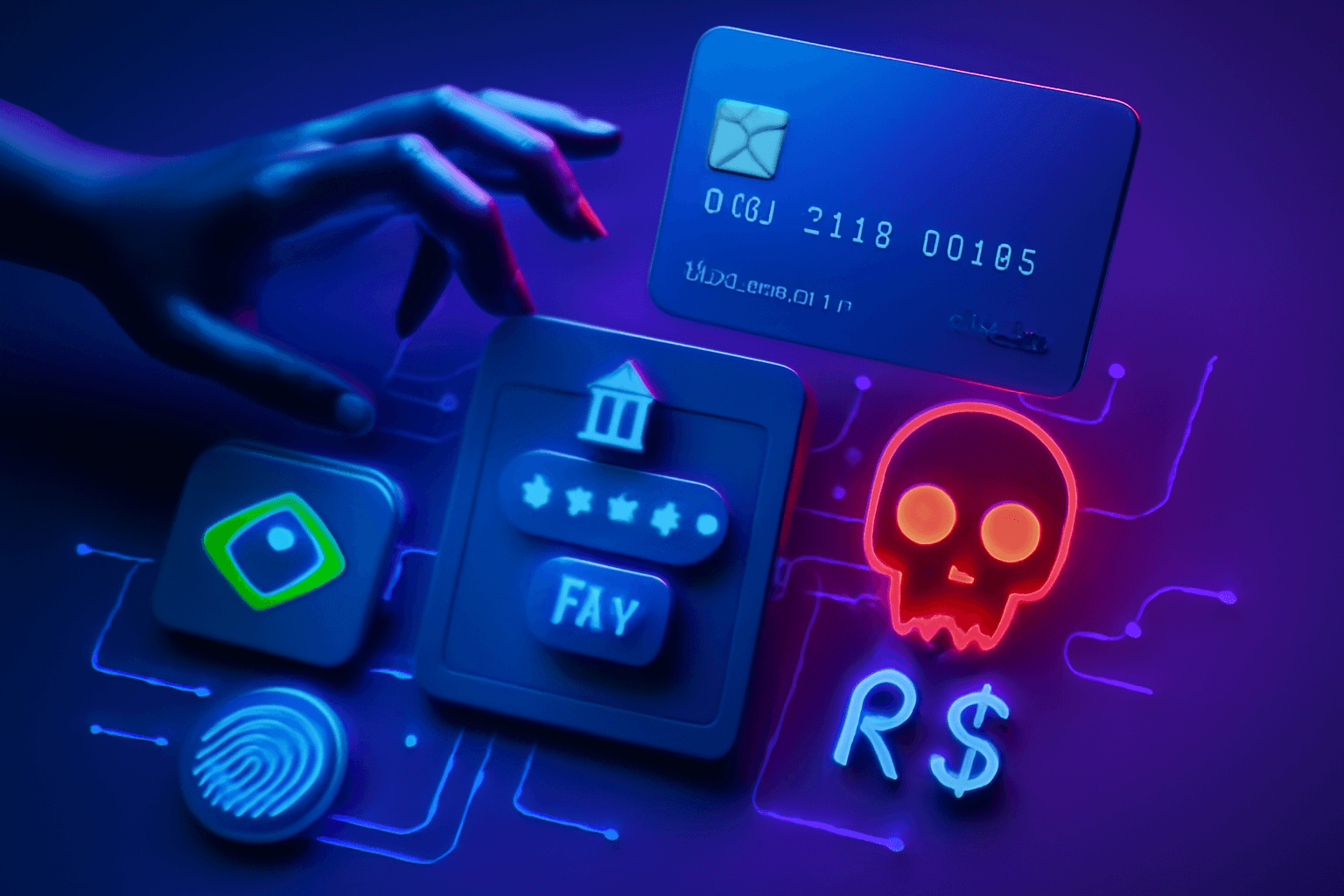
In an alarming trend, Brazilian financial services, retail, and e-commerce sectors have come under attack from a financially motivated threat actor known as Breeze Comet. This group, which has been active since 2024, has executed hundreds of fraudulent transactions, raising significant concerns about the security of payment systems and banking software in Brazil. The implications of these attacks extend beyond immediate financial losses, affecting consumer trust and the overall health of the digital economy.
Overview of Breeze Comet
Breeze Comet, previously identified as UNC5669, has gained notoriety for its sophisticated techniques in manipulating payment systems. The Google Threat Intelligence Group (GTIG) and Mandiant teams have been closely monitoring this threat actor, noting that they specialize in conducting fraudulent transfers that exploit vulnerabilities within Brazilian financial infrastructures. Their operations are characterized by a high level of organization and technical expertise, allowing them to operate with relative anonymity while executing their schemes.
The Scale of the Threat
Since the onset of their operations, Breeze Comet has targeted a wide range of organizations, from established banks to burgeoning e-commerce platforms. Their ability to execute hundreds of fraudulent transactions in a relatively short time frame underscores the scale and urgency of the threat they pose. This trend not only impacts financial institutions but also erodes consumer trust in digital transactions. As these attacks become more frequent, the potential for widespread financial damage increases, prompting concerns from both businesses and consumers about the safety of online transactions.
Methods of Operation
The techniques employed by Breeze Comet are indicative of a well-organized cybercriminal operation. By manipulating existing payment systems and banking software, they have effectively circumvented traditional security measures. Their methods often involve sophisticated phishing schemes, social engineering tactics, and the exploitation of software vulnerabilities. As a result, their fraudulent activities have gone undetected for longer periods, allowing them to maximize their gains. This operational stealth not only complicates detection efforts but also highlights the need for continuous improvement in cybersecurity defenses.
Impact on Brazilian Businesses
The ramifications of Breeze Comet's actions extend beyond immediate financial losses. Brazilian businesses are now faced with increased scrutiny from regulators and a pressing need to bolster their cybersecurity measures. E-commerce platforms, in particular, may experience a decline in customer confidence, which could lead to reduced sales and a tarnished reputation. The long-term effects of such breaches can be devastating, as companies may struggle to regain consumer trust and restore their brand image. Additionally, the financial burden of implementing new security protocols can strain resources, particularly for smaller businesses that may lack the necessary infrastructure.
Responses from Authorities
In light of these developments, Brazilian authorities and cybersecurity experts are ramping up efforts to combat this growing threat. The collaboration between organizations like Google and Mandiant is crucial in identifying and neutralizing such cybercriminals. Enhanced monitoring of payment systems and more robust security protocols are being implemented to safeguard against future attacks. Furthermore, law enforcement agencies are working to track down the individuals behind Breeze Comet, aiming to dismantle their operations and bring them to justice. Public awareness campaigns are also being launched to educate consumers about the risks associated with online transactions and how to protect themselves.
The Future of Cybersecurity in Brazil
As cyber threats continue to evolve, Brazilian financial institutions must remain vigilant. The case of Breeze Comet serves as a stark reminder of the importance of investing in advanced cybersecurity measures. Businesses need to adopt a proactive approach, integrating new technologies and strategies to protect against increasingly sophisticated cyber threats. This includes regular security audits, employee training on cybersecurity best practices, and the implementation of multi-factor authentication systems to enhance security. Additionally, fostering a culture of cybersecurity awareness within organizations can empower employees to recognize and respond to potential threats.
Conclusion
The emergence of Breeze Comet highlights a critical issue in the cybersecurity landscape, particularly within the financial sector in Brazil. As fraudsters become more adept at exploiting weaknesses in payment systems, the need for enhanced security measures has never been more pressing. Ongoing vigilance and collaboration between businesses and cybersecurity experts will be essential in mitigating these threats and ensuring the integrity of financial transactions. The road ahead requires a collective effort to build a more resilient digital economy, where consumers can engage in online transactions with confidence, and businesses can operate without the looming threat of cybercrime.
Key Highlights
- Breeze Comet has targeted Brazilian financial services since 2024.
- The group specializes in manipulating payment systems and banking software.
- Hundreds of fraudulent transactions have been executed by Breeze Comet.
- The threat actor's activities raise concerns about cybersecurity in Brazil.
- E-commerce and retail sectors are particularly vulnerable to these attacks.
- Collaborative efforts are underway to combat the threat posed by Breeze Comet.
- Enhanced monitoring and security protocols are being implemented to protect against fraud.
Expert Analysis
Technical Analysis
The technology involved in the operations of Breeze Comet primarily revolves around payment systems and banking software. These systems are designed to facilitate secure transactions between consumers and businesses, but they often contain vulnerabilities that can be exploited by cybercriminals. Breeze Comet's methods include manipulating these payment systems to execute fraudulent transactions, which suggests a deep understanding of the underlying technology and its weaknesses. By employing sophisticated techniques such as phishing and social engineering, they can bypass traditional security measures, posing a significant challenge to cybersecurity defenses.
What sets Breeze Comet apart from other threat actors is their level of organization and technical expertise. Their operations are characterized by a high degree of stealth, allowing them to conduct fraudulent activities without immediate detection. This operational efficiency not only maximizes their financial gains but also complicates the efforts of cybersecurity professionals to identify and neutralize their activities. However, the reliance on exploiting existing vulnerabilities indicates that while they may achieve short-term success, their methods are inherently limited by the need for continuous adaptation to evolving security measures.
Advantages
- Increased awareness of cybersecurity threats among Brazilian businesses and consumers.
- Potential for improved collaboration between cybersecurity firms and authorities to combat cybercrime.
- Encouragement for businesses to adopt advanced security measures and technologies.
- Heightened scrutiny and regulatory oversight may lead to stronger security protocols across the financial sector.
Disadvantages
- Increased financial burden on businesses, particularly smaller ones, to implement new security measures.
- Erosion of consumer trust in digital transactions, leading to potential declines in sales.
Real-World Use Cases
- Financial institutions can enhance their cybersecurity frameworks by integrating multi-factor authentication and regular security audits.
- E-commerce platforms can implement consumer education programs to inform users about online transaction risks and protective measures.
- Businesses can foster a culture of cybersecurity awareness, training employees to recognize and respond to potential threats.
- Regulatory bodies can develop stricter guidelines for cybersecurity practices within the financial sector to mitigate risks.
Business Impact
The emergence of Breeze Comet poses a significant threat to the Brazilian financial sector, prompting businesses to reassess their cybersecurity strategies. As consumer trust diminishes due to fraudulent activities, companies may face declining sales and reputational damage. This situation creates an opportunity for cybersecurity firms to offer enhanced solutions and services, potentially leading to increased revenue in the cybersecurity market as businesses seek to protect themselves from similar threats.
User Impact
Ordinary users stand to benefit from increased awareness and improved security measures as businesses respond to the threat posed by Breeze Comet. However, those who may not be engaged with cybersecurity practices could remain vulnerable to fraud. It is crucial for consumers to stay informed about online transaction risks and adopt protective measures, making it worthwhile for them to pay attention to these developments.
Security & Privacy
Security and privacy analysis not applicable.
Future Outlook
In the near term, Brazilian financial institutions are likely to invest more heavily in advanced cybersecurity technologies and practices to counter threats like Breeze Comet. This may include adopting artificial intelligence-driven security solutions and enhancing collaboration with cybersecurity experts. As the threat landscape evolves, continuous adaptation and innovation will be essential for maintaining the integrity of financial transactions in Brazil.
Expert Summary
The rise of Breeze Comet underscores the urgent need for enhanced cybersecurity measures within Brazil's financial sector. Businesses, consumers, and cybersecurity professionals should pay close attention to these developments, as they highlight the vulnerabilities present in current systems. A proactive approach to cybersecurity will be essential in safeguarding the digital economy and restoring consumer confidence in online transactions.
Originally reported by The Hacker News.