
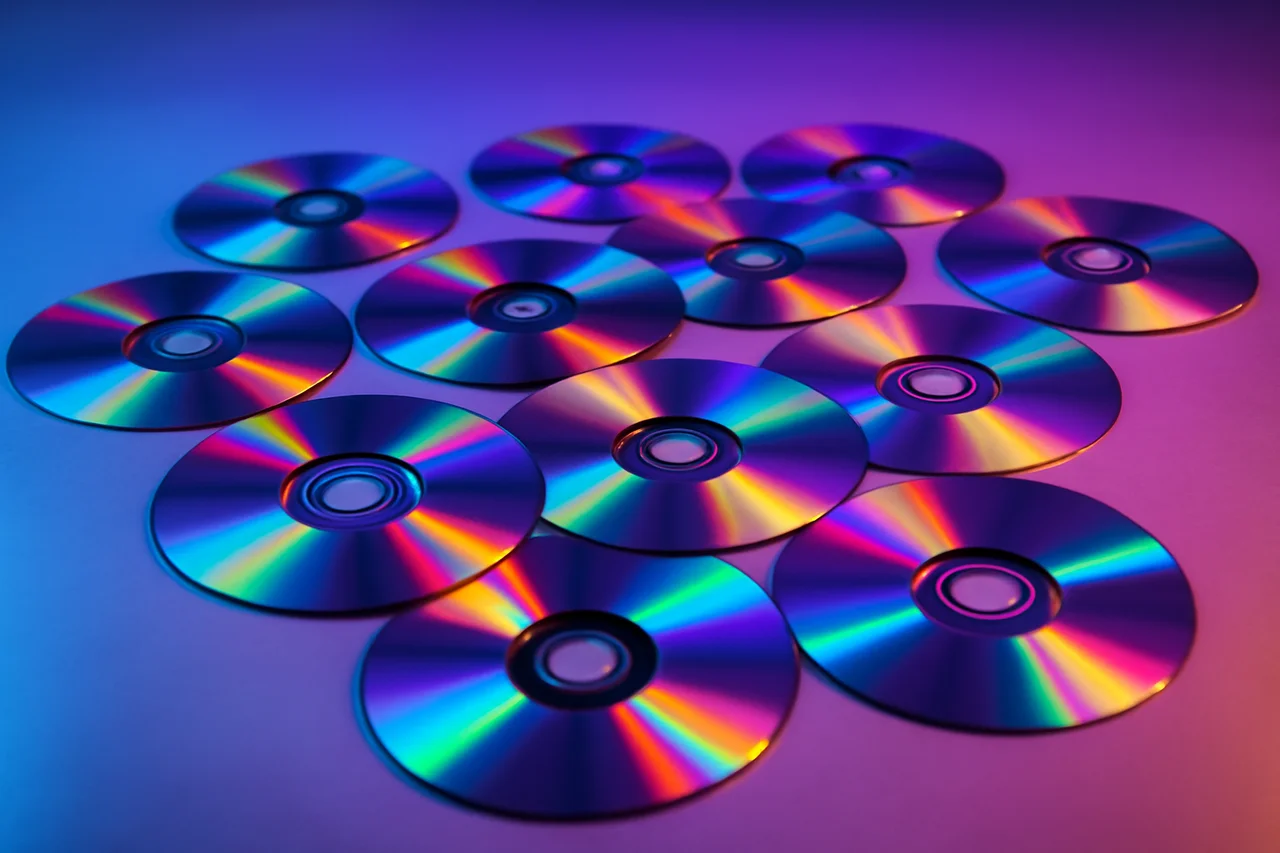
In a surprising twist for the music industry, CD sales in the United States have seen a remarkable resurgence, with revenue soaring by 58.6% in the first half of 2026. This unexpected growth comes after a prolonged period of decline, signaling a noteworthy shift in consumer behavior as interest in retro technology and physical media begins to flourish. The rise in CD sales not only reflects changing consumer preferences but also highlights the evolving landscape of music consumption in an era dominated by digital streaming.
The Resurgence of CDs
Once considered a relic of the past, CDs are experiencing a renaissance as more consumers turn back to physical formats for their music consumption. This shift can be attributed to a combination of nostalgia and a desire for tangible products in a digital world. The increase in CD sales is not merely a fleeting trend but rather a reflection of changing preferences among music lovers. The tactile experience of handling a CD, complete with its cover art and liner notes, offers a sense of connection that digital formats often lack. For many, the act of collecting physical albums has become a cherished hobby, allowing them to curate their own musical libraries in a way that streaming services cannot replicate.
Factors Driving the Growth
The revival of CD sales can be linked to several factors. Firstly, there's a growing appreciation for the physicality of music collections. Many consumers find joy in owning a physical copy of their favorite albums, complete with artwork and liner notes. This desire for a tangible connection to music is particularly pronounced among collectors who value the aesthetic and sentimental aspects of physical media. Additionally, the retro tech boom has sparked interest in older formats, making CDs appealing to both older generations who grew up with them and younger audiences discovering them for the first time. This cross-generational appeal has created a unique market dynamic where nostalgia meets novelty, driving sales in unexpected ways.
Consumer Trends and Preferences
As digital streaming services dominate the music landscape, the resurgence of CDs highlights a countertrend where consumers are seeking more than just convenience. The tactile experience of handling a CD, along with the nostalgia it evokes, has led to a renewed interest in collecting physical media. This trend reflects a broader desire for authenticity and connection in an increasingly digital world. In an age where music can be accessed instantly through streaming platforms, many consumers are finding value in the experience of physically owning music. Special editions, colored vinyl, and unique packaging have also contributed to the allure of physical media, with consumers willing to pay a premium for exclusive releases.
Impact on the Music Industry
The significant increase in CD revenue is a positive development for the music industry, which has been grappling with the challenges posed by digital streaming. While streaming remains the dominant mode of music consumption, the resurgence of physical media could provide new revenue streams for artists and labels alike. This revival encourages a diversified approach to music distribution, balancing digital and physical formats. Artists may find that releasing albums in multiple formats—including vinyl, cassettes, and CDs—can cater to different segments of their fanbase. Moreover, the increase in CD sales could incentivize labels to invest more in physical releases, leading to a richer music experience for consumers.
The Future of Physical Media
As the trend of CD sales continues to grow, it raises questions about the future of physical media in an age dominated by digital consumption. Will this resurgence be a long-lasting change, or a temporary spike in interest? Industry experts suggest that as long as consumers maintain a desire for tangible products, physical media like CDs will continue to hold relevance in the market. The ongoing interest in retro technology suggests that CDs may not only survive but thrive alongside digital formats. Furthermore, as music enthusiasts seek to create more meaningful connections with the artists they love, physical media will likely remain a vital part of the music ecosystem.
Conclusion
The unexpected 58.6% increase in U.S. CD sales during the first half of 2026 marks a significant turnaround for the format. This resurgence is emblematic of a broader trend towards retro technology and a preference for physical media. As consumers continue to embrace the tangible aspects of music, the music industry may find new opportunities for growth and innovation in the years to come. The revival of CDs serves as a reminder that even in a digital age, there is still a place for the physical and the nostalgic in our music consumption habits.
Key Highlights
- CD sales in the U.S. increased by 58.6% in the first half of 2026.
- The growth marks a significant turnaround from previous declines in sales.
- Rising interest in retro technology is driving the resurgence of CDs.
- Consumers are gravitating towards physical media over digital formats.
- The trend reflects a desire for authenticity and connection in music consumption.
- CDs offer a tactile experience that appeals to both older and younger generations.
- The revival of CDs could provide new revenue streams for the music industry.
Expert Analysis
Technical Analysis
The resurgence of CD sales highlights a significant shift in consumer preferences towards physical media in an era dominated by digital streaming. CDs, or compact discs, are optical discs that store digital data, primarily music, and are read by laser technology. The tactile experience of handling a CD, along with its accompanying artwork and liner notes, offers a sensory connection that digital formats often lack. This suggests that consumers are seeking not just audio content, but a more immersive experience that physical formats provide.
The current growth in CD sales can be attributed to a combination of nostalgia and a desire for authenticity in music consumption. As consumers increasingly value the physicality of music collections, the CD format has found renewed interest among both older generations familiar with the medium and younger audiences discovering it for the first time. However, while the growth is notable, the long-term sustainability of this trend remains uncertain, as it competes with the convenience and accessibility of digital streaming services.
Advantages
- Increased consumer engagement through the tactile experience of handling physical media.
- Nostalgia-driven interest appealing to both older and younger generations.
- Potential for collectors to curate personal music libraries.
- New revenue streams for artists and labels through diversified music distribution.
Disadvantages
- No major disadvantages reported yet.
Real-World Use Cases
- Music collectors can enhance their collections with physical albums, enjoying the artwork and liner notes.
- Retailers can capitalize on the trend by offering exclusive CD editions and special packaging.
- Artists can engage fans by releasing albums in multiple formats, including CDs, to cater to diverse preferences.
- Educational institutions can use CDs for teaching music history and appreciation, providing a tangible connection to the medium.
Business Impact
The significant increase in CD sales presents a positive development for the music industry, which has faced challenges from digital streaming. This revival could lead to new revenue opportunities for artists and labels, encouraging a balanced approach to music distribution that includes both digital and physical formats. As the market adapts, labels may invest more in physical releases, enriching the overall music experience for consumers and potentially revitalizing the industry.
Competitors in the music distribution space may need to reassess their strategies, as the resurgence of CDs could shift focus back to physical media. This change could lead to increased competition among streaming services and physical media providers, as they seek to attract a consumer base that values both convenience and tangible experiences.
User Impact
Consumers who appreciate the tactile experience of music will benefit from the resurgence of CDs, as it allows them to connect more deeply with their favorite albums. This trend may not resonate with all users, particularly those who prioritize convenience and instant access provided by digital streaming. However, for those who value the nostalgia and authenticity of physical media, the revival of CDs is worth adopting, as it enhances their music consumption experience.
Security & Privacy
Security and privacy analysis not applicable.
Future Outlook
As the trend of CD sales continues to grow, it is expected that the market will see further innovations in physical media, including unique packaging and special editions that cater to collectors. Industry experts suggest that as long as consumers maintain a desire for tangible products, CDs will continue to hold relevance. This could lead to a more integrated approach in the music industry, where physical and digital formats coexist and complement each other in the consumer experience.
Expert Summary
The unexpected surge in CD sales underscores a significant cultural shift towards retro technology and physical media in music consumption. Stakeholders in the music industry, including artists, labels, and retailers, should pay attention to this trend as it presents new opportunities for engagement and revenue. Overall, the revival of CDs serves as a reminder that even in a digital age, there remains a strong market for tangible, nostalgic experiences.
Originally reported by TechCrunch.



