
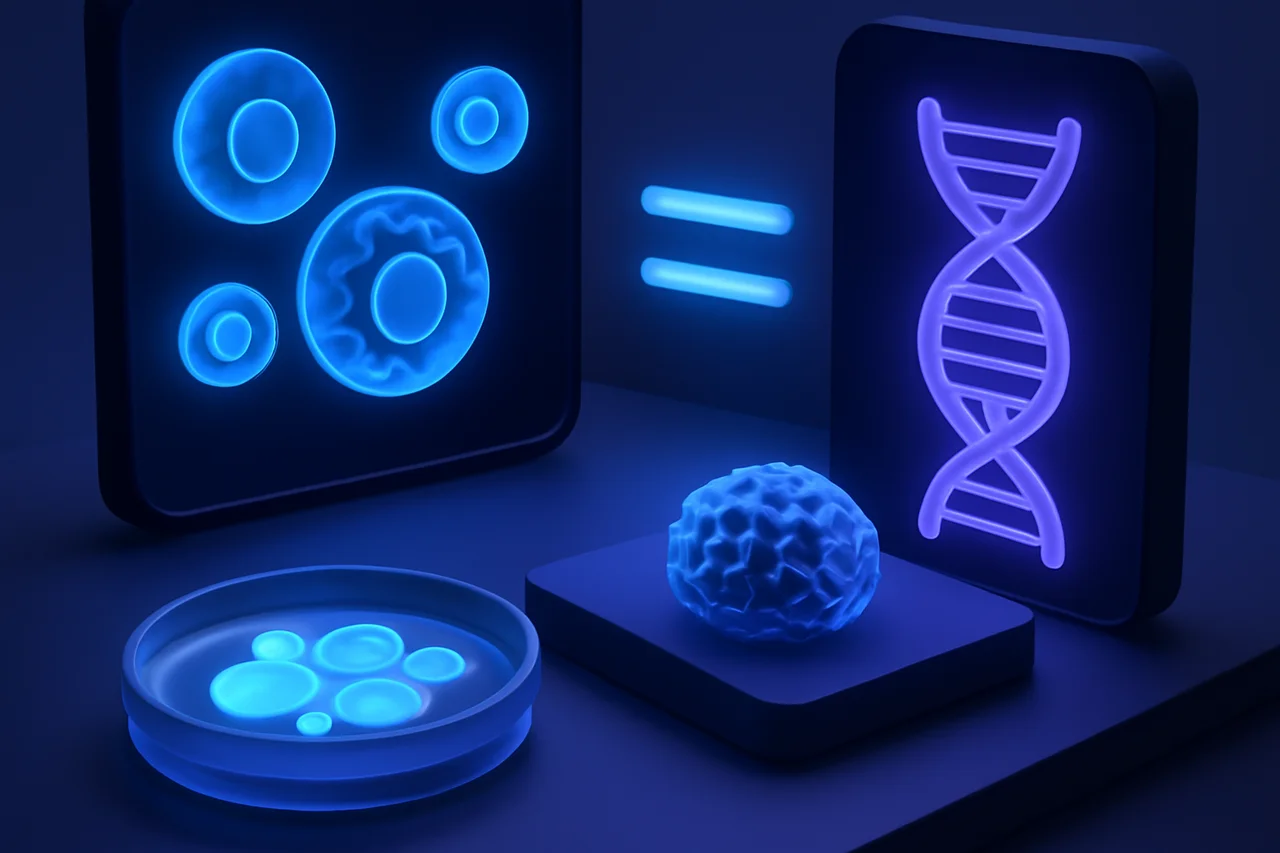
Recent advancements in biotechnology have opened new avenues in the study of cellular aging, with researchers utilizing Google DeepMind's Co-Scientist platform to uncover critical factors that may reverse the aging process in human cells. This innovative approach not only sheds light on the biological mechanisms of aging but also holds promise for enhancing health and longevity.
Understanding Cellular Aging
Cellular aging, a natural process where cells lose their ability to function optimally over time, has been a focal point of scientific inquiry. As cells age, they accumulate damage, leading to various age-related diseases and a decline in overall health. This deterioration is often characterized by a range of biological changes, including telomere shortening, mitochondrial dysfunction, and increased oxidative stress. Understanding the biological processes behind cellular aging is crucial for developing interventions that can restore cellular function and promote longevity. The insights gained from studying cellular aging not only contribute to our understanding of the aging process itself but also inform strategies for combating age-related diseases such as Alzheimer's, cardiovascular diseases, and cancer.
The Role of Genetics in Rejuvenation
Genetics plays a pivotal role in the aging process. By examining genetic factors that influence cell rejuvenation, researchers can identify potential targets for therapeutic interventions. Recent studies have shown that certain genes are involved in regulating cellular repair mechanisms and stress responses, which are critical for maintaining cellular health as organisms age. The Co-Scientist platform from Google DeepMind facilitates this exploration by providing advanced tools and algorithms that allow scientists to analyze vast datasets and uncover novel genetic leads. By leveraging machine learning and artificial intelligence, researchers can rapidly sift through genetic information to identify correlations and causative factors in cellular aging, significantly accelerating the pace of discovery.
Leveraging Co-Scientist for Breakthroughs
Co-Scientist is a powerful tool designed to enhance the capabilities of biologists and researchers. It enables users to conduct complex analyses of genetic information efficiently, identifying patterns and relationships that may not be apparent through traditional methods. This platform has been instrumental in accelerating research into cellular aging, providing insights that could lead to significant breakthroughs in the field. For instance, by utilizing Co-Scientist, researchers can model the effects of specific genetic alterations on cellular aging, allowing for the identification of potential gene therapies. The platform's ability to integrate diverse biological data types, such as genomic, transcriptomic, and proteomic information, creates a comprehensive understanding of the cellular aging landscape.
Potential Implications for Health and Longevity
The findings from this research could have profound implications for health and longevity. If scientists can effectively reverse cellular aging, it may lead to therapies that not only extend lifespan but also improve the quality of life for aging populations. The ability to rejuvenate human cells could pave the way for new treatments for age-related diseases, enhancing overall health outcomes. Moreover, these advancements could shift the paradigm of healthcare from a reactive to a proactive approach, where aging is managed as a chronic condition rather than an inevitable decline. This has the potential to reduce healthcare costs associated with age-related diseases and improve the well-being of individuals as they age.
Future Directions in Cellular Aging Research
As research progresses, the focus will likely shift towards translating these genetic insights into practical applications. This includes developing therapies that can be used in clinical settings to combat the effects of aging. Collaborative efforts between biologists, geneticists, and technology experts will be essential in driving this research forward. Additionally, ethical considerations surrounding genetic interventions will need to be addressed, ensuring that advancements are made responsibly and equitably. The integration of public health perspectives into this research will also be crucial, as it will help in understanding how these innovations can be implemented in diverse populations and settings.
Conclusion
The innovative use of Google DeepMind's Co-Scientist platform marks a significant step forward in the quest to understand and potentially reverse cellular aging. By uncovering novel genetic factors, researchers are not only advancing scientific knowledge but also bringing us closer to practical solutions that could enhance health and longevity for future generations. As we stand at the intersection of technology and biology, the potential to redefine aging and improve the quality of life for millions is within reach, marking a transformative era in healthcare and biotechnology.
Key Highlights
- Researchers are using Google DeepMind's Co-Scientist to study cellular aging.
- The platform aids in identifying genetic factors that can rejuvenate human cells.
- Understanding cellular aging is crucial for developing health interventions.
- Genetic insights could lead to therapies that extend lifespan and improve quality of life.
- Future research will focus on translating findings into clinical applications.
Expert Analysis
Technical Analysis
The Co-Scientist platform from Google DeepMind employs advanced machine learning and artificial intelligence to analyze vast datasets related to genetics and cellular aging. This technology allows researchers to identify correlations and causative factors that contribute to the aging process, significantly accelerating the pace of discovery in this field. By integrating diverse biological data types, including genomic, transcriptomic, and proteomic information, Co-Scientist provides a comprehensive understanding of cellular aging mechanisms, which is critical for developing effective interventions.
This innovative approach addresses the problem of cellular aging, which is characterized by the accumulation of damage in cells over time, leading to age-related diseases and a decline in health. The ability to model the effects of specific genetic alterations on cellular aging opens up new avenues for potential gene therapies. However, while the technology shows promise, it is important to recognize that translating these findings into practical applications will require further research and collaboration across disciplines.
Advantages
- Accelerates research into cellular aging through advanced data analysis.
- Identifies novel genetic leads for potential therapeutic interventions.
- Enhances the understanding of biological mechanisms behind aging.
- Facilitates the modeling of genetic alterations to identify gene therapies.
Disadvantages
- No major disadvantages reported yet.
Real-World Use Cases
- Researchers can use Co-Scientist to analyze genetic data for insights into cellular aging.
- Biologists can model the effects of genetic alterations on aging to identify potential therapies.
- Healthcare professionals may leverage findings to develop proactive aging management strategies.
- Geneticists can collaborate with technologists to explore ethical genetic interventions.
Business Impact
The advancements in cellular aging research through the Co-Scientist platform could significantly impact the biotechnology industry by opening new markets for age-related therapies. Companies focused on health and longevity may find lucrative opportunities in developing treatments that enhance the quality of life for aging populations. Additionally, this research could shift the healthcare paradigm, potentially reducing costs associated with age-related diseases and fostering a proactive approach to aging management, which could attract investment and interest from various sectors.
User Impact
Ordinary users, particularly those concerned about aging and health, stand to benefit from the potential breakthroughs in cellular aging research. If successful, therapies derived from this research could improve health outcomes and quality of life for aging individuals. However, there may be concerns regarding the accessibility and affordability of such treatments, which could limit benefits for certain populations. Overall, the developments in this field are worth following for anyone interested in health and longevity.
Security & Privacy
Security and privacy analysis not applicable.
Future Outlook
In the near term, we can expect continued advancements in the application of genetic insights to develop therapies targeting cellular aging. As researchers collaborate across disciplines, the potential for breakthroughs in gene therapy and rejuvenation techniques will likely increase. Ethical considerations will play a crucial role in shaping the direction of this research, ensuring that advancements are made responsibly and equitably across different populations.
Expert Summary
The findings from Google DeepMind's Co-Scientist platform represent a significant advancement in understanding cellular aging and its implications for health and longevity. Stakeholders in biotechnology, healthcare, and public health should pay close attention to these developments, as they could redefine aging management and lead to transformative therapies. The intersection of technology and biology in this research underscores the potential for innovative solutions to improve the quality of life for future generations.
Originally reported by Google DeepMind News.



