
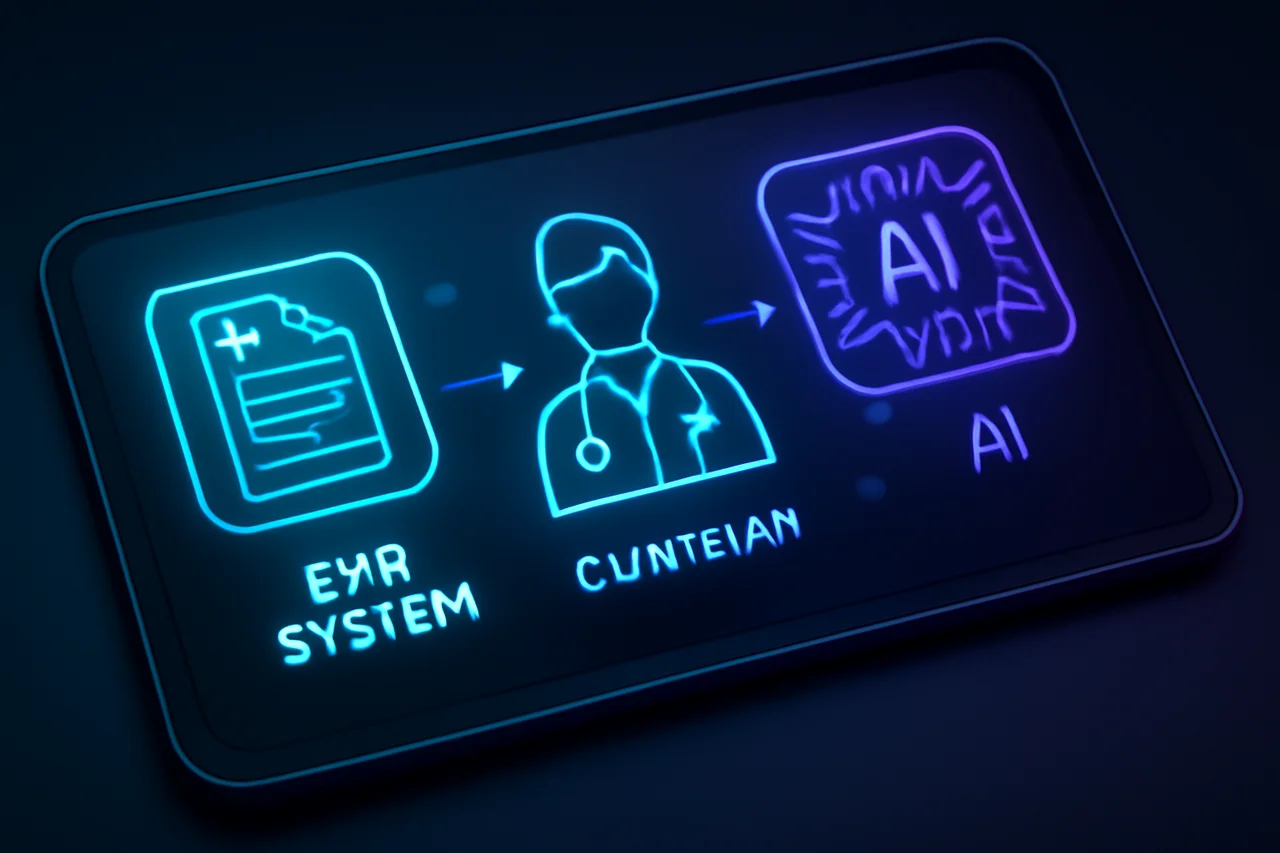
In a significant advancement for the healthcare sector, OpenAI has announced that its AI model, ChatGPT, can now integrate with trusted healthcare data sources, including Electronic Health Records (EHR). This integration is set to streamline how clinicians access vital patient information and medical research, ultimately enhancing patient care. By leveraging the capabilities of AI, healthcare providers are poised to transform their practices, making them more efficient and responsive to patient needs.
Transforming Access to Patient Data
The ability to connect ChatGPT with EHR systems represents a transformative step in healthcare data integration. Clinicians often face the challenge of navigating multiple data sources to gather relevant patient context and medical history. This can be particularly time-consuming and prone to error, leading to potential delays in treatment or misinformed clinical decisions. By utilizing ChatGPT, healthcare professionals can now quickly retrieve necessary information through a secure and efficient AI-driven interface. This not only improves the speed at which clinicians can access data but also enhances the accuracy of the information retrieved, as AI can help filter and present the most relevant data based on the context of the inquiry.
Enhancing Clinical Decision-Making
With the new integration, ChatGPT can assist clinicians in making informed decisions by providing real-time access to patient data and the latest medical research. This capability is particularly crucial in emergency situations where timely information can significantly impact patient outcomes. For instance, in critical care scenarios, having immediate access to a patient's medical history, allergies, and previous treatments can be life-saving. By leveraging AI technology, healthcare providers can enhance their decision-making processes, leading to improved patient care. Moreover, the ability to quickly reference the latest medical guidelines and research findings can help clinicians stay informed about best practices, ultimately leading to better treatment protocols.
Improving Efficiency in Healthcare Delivery
Integrating ChatGPT with EHR systems not only improves access to data but also enhances overall efficiency in healthcare delivery. Clinicians can spend less time searching for patient information and more time focusing on patient care. This shift is expected to reduce administrative burdens and streamline workflows, allowing healthcare organizations to operate more effectively. For example, tasks that previously required multiple steps and significant manual effort can now be automated or simplified through AI, freeing up valuable time for healthcare workers. This increased efficiency can lead to shorter patient wait times, more timely interventions, and ultimately a higher quality of care.
Prioritizing Data Security
As with any integration involving sensitive healthcare data, security remains a top priority. OpenAI has emphasized that the connection between ChatGPT and EHR systems is designed with robust security measures in place. This ensures that patient information is handled securely and complies with healthcare regulations, safeguarding patient privacy and data integrity. The implementation of encryption, access controls, and regular security audits are essential components of this integration, providing peace of mind to both healthcare providers and patients. As data breaches and cyber threats continue to rise, maintaining a strong security posture is critical for fostering trust in AI technologies within the healthcare sector.
Potential for Medical Research
The integration of ChatGPT with EHR also opens up new possibilities for medical research. Researchers can utilize AI to analyze large datasets, identify trends, and generate insights that may not be readily apparent. This could lead to breakthroughs in treatment approaches and a better understanding of various medical conditions, ultimately benefiting the healthcare community as a whole. For instance, AI-driven analysis can help identify correlations between patient demographics and treatment outcomes, paving the way for more personalized medicine. Furthermore, the ability to quickly synthesize and analyze vast amounts of data can accelerate the pace of research, enabling faster transitions from discovery to clinical application.
Looking Ahead: The Future of AI in Healthcare
As AI technologies continue to evolve, the integration of tools like ChatGPT into healthcare systems is likely to expand further. The potential for improved patient outcomes, enhanced clinical workflows, and innovative research opportunities makes this integration a promising development for the future of healthcare. OpenAI’s initiative not only showcases the capabilities of AI but also highlights the importance of collaborative efforts in advancing healthcare delivery. As more healthcare organizations adopt AI tools, the landscape of patient care will continue to transform, leading to a more efficient and effective healthcare system. The ongoing dialogue between technology developers, healthcare providers, and regulatory bodies will be crucial in shaping the future of AI in healthcare, ensuring that innovations are implemented in a way that prioritizes patient safety and quality of care.
Key Highlights
- OpenAI has announced ChatGPT's integration with trusted healthcare data sources.
- Clinicians can securely access patient context and medical research through ChatGPT.
- The integration aims to enhance decision-making in clinical settings.
- ChatGPT helps streamline workflows and reduce administrative burdens.
- Data security is a priority in the integration process.
- The integration opens new avenues for medical research and analysis.
- This development signifies a promising future for AI in healthcare.
Expert Analysis
Technical Analysis
The integration of ChatGPT with Electronic Health Records (EHR) represents a significant technological advancement in healthcare data management. ChatGPT, an AI model developed by OpenAI, utilizes natural language processing to interpret and respond to clinician inquiries, allowing for real-time access to patient data and medical research. This integration addresses the common challenge clinicians face in navigating multiple data sources, which can lead to inefficiencies and errors in patient care. By streamlining access to vital information, ChatGPT enhances the decision-making process, particularly in critical situations where timely data retrieval is essential.
One of the key improvements of this integration is the AI's ability to filter and present relevant information based on the context of the inquiry, thereby increasing both the speed and accuracy of data access. However, while the integration promises to enhance efficiency and patient care, it also raises concerns regarding data security. OpenAI has implemented robust security measures, including encryption and access controls, to protect sensitive healthcare information. Nevertheless, the reliance on AI systems introduces potential vulnerabilities that must be continuously monitored and addressed to maintain patient trust and compliance with healthcare regulations.
Advantages
- Streamlines access to patient information, reducing time spent searching for data.
- Enhances clinical decision-making by providing real-time access to relevant medical history and research.
- Improves overall efficiency in healthcare delivery, allowing clinicians to focus more on patient care.
- Facilitates quicker referencing of medical guidelines and best practices, leading to better treatment protocols.
Disadvantages
- No major disadvantages reported yet.
Real-World Use Cases
- Clinicians can quickly retrieve patient medical histories during emergency situations to make informed decisions.
- Healthcare organizations can automate administrative tasks, reducing manual effort and streamlining workflows.
- Researchers can analyze large datasets from EHR to identify trends and correlations that inform treatment approaches.
Business Impact
The integration of ChatGPT with EHR systems is likely to have a transformative impact on the healthcare market by improving operational efficiencies and patient outcomes. As healthcare organizations adopt AI technologies, they can expect to see reduced administrative burdens and enhanced clinical workflows, which could lead to increased revenue opportunities. Competitors in the healthcare technology space may need to innovate rapidly to keep pace with the advancements offered by AI integrations like ChatGPT, potentially reshaping the competitive landscape.
User Impact
Patients and healthcare providers stand to benefit significantly from the integration of ChatGPT with EHR systems. Clinicians will have faster access to critical patient information, which can lead to improved care and better health outcomes. Ordinary users should care about this development as it represents a step toward more efficient healthcare delivery, potentially reducing wait times and enhancing the quality of care received. However, ongoing attention to data security and privacy will be essential to ensure that patient information remains protected.
Security & Privacy
OpenAI has prioritized data security in the integration of ChatGPT with EHR systems, implementing measures such as encryption and access controls to safeguard sensitive healthcare information. While these steps are crucial for maintaining patient privacy and data integrity, the evolving landscape of cyber threats necessitates continuous vigilance to prevent potential vulnerabilities.
Future Outlook
The future of AI in healthcare appears promising, with expectations of further integration of tools like ChatGPT into various healthcare systems. As AI technologies evolve, they are likely to enhance patient outcomes and clinical workflows even more. The collaboration between technology developers, healthcare providers, and regulatory bodies will be vital in ensuring that these innovations are implemented safely and effectively, ultimately leading to a more efficient healthcare system.
Expert Summary
The integration of ChatGPT with EHR systems marks a significant advancement in healthcare technology, promising to enhance patient care and streamline clinical workflows. Stakeholders in the healthcare sector, including providers and patients, should pay attention to these developments, as they represent a shift toward more efficient and informed healthcare delivery. Overall, this initiative by OpenAI underscores the potential of AI to transform the healthcare landscape, provided that security and privacy concerns are adequately addressed.
Originally reported by OpenAI News.



