
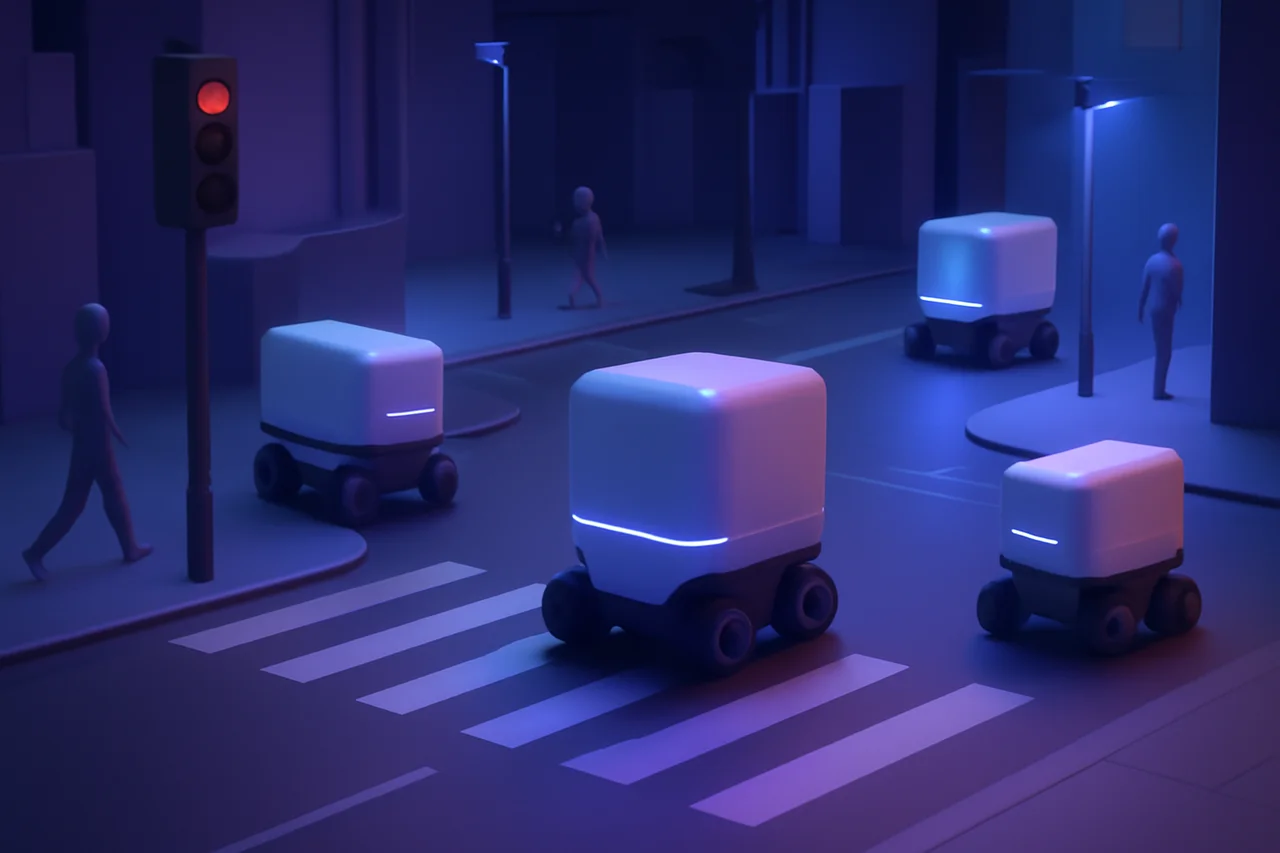
As the demand for efficient delivery solutions continues to rise, delivery robots are becoming an increasingly common sight in urban areas. These autonomous machines promise to revolutionize the logistics landscape, offering a glimpse into a future where goods can be delivered with minimal human intervention. However, as exciting as this prospect may be, these robots are facing significant challenges, particularly when it comes to navigating roads and sidewalks. Understanding the limitations of delivery robots is essential for their successful integration into our daily lives.
Understanding Delivery Robots
Delivery robots are designed to transport goods from one location to another with minimal human intervention. Equipped with sensors, cameras, and advanced navigation systems, these robots are intended to navigate their surroundings autonomously, delivering packages directly to customers' doors. They are often small, wheeled machines that can carry a limited amount of cargo, making them ideal for last-mile delivery in urban settings. While the technology has advanced considerably, the robots still struggle with fundamental aspects of urban navigation, which can hinder their effectiveness.
Challenges in Navigation
One of the primary issues facing delivery robots is their inability to comprehend and adhere to the rules of the road. Unlike human drivers and pedestrians, these machines often misinterpret traffic signals, crosswalks, and other important cues that dictate safe movement in public spaces. For instance, a delivery robot may fail to recognize a stop sign or misjudge the right-of-way at an intersection. This lack of understanding raises serious concerns about their effectiveness and safety, as they may inadvertently create hazardous situations for themselves and those around them.
Moreover, urban environments are inherently complex, filled with dynamic elements such as moving vehicles, cyclists, and pedestrians. Delivery robots must navigate not only the physical landscape but also the unpredictable behavior of these entities. The challenge is compounded by obstacles like curbs, uneven surfaces, and temporary barriers, which can confuse the robots and lead to operational failures. As a result, incidents of robots blocking sidewalks or failing to yield to pedestrians have already been reported, highlighting the urgent need for improved navigation algorithms.
Implications for Urban Safety
The inability of delivery robots to navigate safely poses risks not only to themselves but also to pedestrians and other vehicles. As these robots become more prevalent in urban areas, ensuring their safe operation is crucial for urban safety. The potential for accidents, whether through collisions with pedestrians or vehicles, raises questions about liability and responsibility. Cities may need to consider new regulations and infrastructure adaptations to accommodate these robots while protecting public safety.
Furthermore, public perception plays a significant role in the acceptance of delivery robots. If these machines are perceived as a threat to safety, their adoption may be hindered. Therefore, it is imperative for developers and city planners to work together to create environments where delivery robots can operate safely and efficiently, fostering public trust in this emerging technology.
Potential Solutions
To address these challenges, developers and researchers are exploring various solutions. Enhancing the robots' artificial intelligence capabilities could improve their ability to interpret and respond to their environment. For example, integrating machine learning algorithms that allow robots to learn from their surroundings and adapt to changing conditions could significantly enhance their navigation skills.
Additionally, implementing stricter regulations and guidelines for robot operation in public spaces may help mitigate risks and ensure safer interactions with humans. This could include designated pathways for delivery robots, speed limits, and requirements for real-time communication with other road users. Collaboration between technology developers, urban planners, and policymakers will be essential to create a regulatory framework that supports innovation while prioritizing safety.
The Future of Delivery Robots
Despite the current challenges, the future of delivery robots remains promising. As technology continues to evolve, so too will the capabilities of these machines. With ongoing advancements in AI and machine learning, delivery robots may eventually learn to navigate urban environments more effectively, paving the way for their widespread adoption. Furthermore, as cities adapt to the presence of these robots, we may see the development of smart infrastructure that facilitates their operation, such as dedicated lanes and traffic management systems designed to accommodate both human and robotic users.
Moreover, the integration of delivery robots into existing logistics networks could lead to reduced delivery times and lower operational costs for businesses. This efficiency could be particularly beneficial in densely populated urban areas where traditional delivery methods face challenges such as traffic congestion and parking limitations.
Conclusion
In summary, while delivery robots present a revolutionary approach to logistics and last-mile delivery, their current navigation challenges cannot be overlooked. Understanding and addressing these issues is essential for their successful integration into our cities. As we continue to innovate and refine the technology behind delivery robots, the hope is that they will become safer and more reliable, ultimately enhancing the efficiency of urban delivery systems. The journey toward a future where delivery robots seamlessly coexist with human pedestrians and vehicles is ongoing, and it will require collaboration, creativity, and commitment from all stakeholders involved.
Key Highlights
- Delivery robots struggle with understanding road and sidewalk rules.
- Their navigation issues raise safety concerns for urban environments.
- Misinterpretation of traffic signals is a significant challenge.
- Robots can block sidewalks, creating risks for pedestrians.
- Enhancing AI capabilities could improve navigation effectiveness.
- Stricter regulations may be necessary for safe robot operation.
- The future of delivery robots looks promising with ongoing advancements.
Expert Analysis
Technical Analysis
Delivery robots utilize a combination of sensors, cameras, and advanced navigation systems to autonomously transport goods in urban environments. These technologies allow the robots to perceive their surroundings and make decisions based on real-time data. However, despite advancements, these robots struggle with interpreting critical traffic signals and pedestrian cues, which are essential for safe navigation. The complexity of urban landscapes, including dynamic elements like moving vehicles and pedestrians, further complicates their operational efficiency.
The primary challenge lies in the robots' inability to comprehend and adhere to the rules of the road, leading to potential safety hazards. Their navigation algorithms require significant improvements to manage unexpected obstacles and interactions with humans effectively. While enhancing artificial intelligence capabilities through machine learning could improve their adaptability, the current limitations pose serious questions regarding their reliability and safety in public spaces.
Advantages
- Promotes efficient last-mile delivery solutions in urban areas.
- Reduces the need for human intervention in logistics.
- Potentially lowers operational costs for businesses.
- Can alleviate traffic congestion by providing an alternative delivery method.
Disadvantages
- Current navigation challenges may lead to safety risks for pedestrians and vehicles.
- Inability to interpret traffic signals and road rules can create hazardous situations.
- Public perception of safety concerns may hinder widespread adoption.
Real-World Use Cases
- Urban delivery of groceries and small packages directly to customers' doors.
- Integration into logistics networks to streamline last-mile delivery operations.
- Use in college campuses or large corporate campuses for internal deliveries.
- Potential deployment in parks or pedestrian zones where traditional vehicles are restricted.
Business Impact
The integration of delivery robots into urban logistics could significantly alter the delivery landscape, providing businesses with a competitive edge through reduced delivery times and costs. As cities adapt to accommodate these robots, there may be new revenue opportunities in developing smart infrastructure that supports their operation. Companies that invest in this technology could position themselves as leaders in the evolving logistics market, potentially outpacing competitors who are slower to adopt these innovations.
User Impact
Ordinary users stand to benefit from faster and more efficient delivery services, particularly in densely populated urban areas. However, concerns about safety and the reliability of these robots may deter some users from embracing this technology. It is crucial for developers to address these issues to foster public trust and encourage adoption. For those who value convenience and efficiency, the potential benefits of delivery robots could outweigh the current limitations.
Security & Privacy
Security and privacy analysis not applicable.
Future Outlook
As technology continues to evolve, we can expect significant advancements in the capabilities of delivery robots, particularly in artificial intelligence and machine learning. These improvements could lead to better navigation and safety features, facilitating their integration into urban environments. Additionally, as cities develop infrastructure tailored for robotic delivery, the operational efficiency of these robots may increase, paving the way for broader adoption in various sectors.
Expert Summary
The challenges facing delivery robots highlight the need for ongoing innovation and collaboration among technology developers, urban planners, and policymakers. As the demand for efficient delivery solutions grows, addressing navigation and safety concerns will be crucial for the successful integration of these robots into urban life. Stakeholders in the logistics and technology sectors should pay close attention to these developments, as they will shape the future of last-mile delivery and urban mobility.
Originally reported by Engadget - Technology News & Expert Reviews.



