
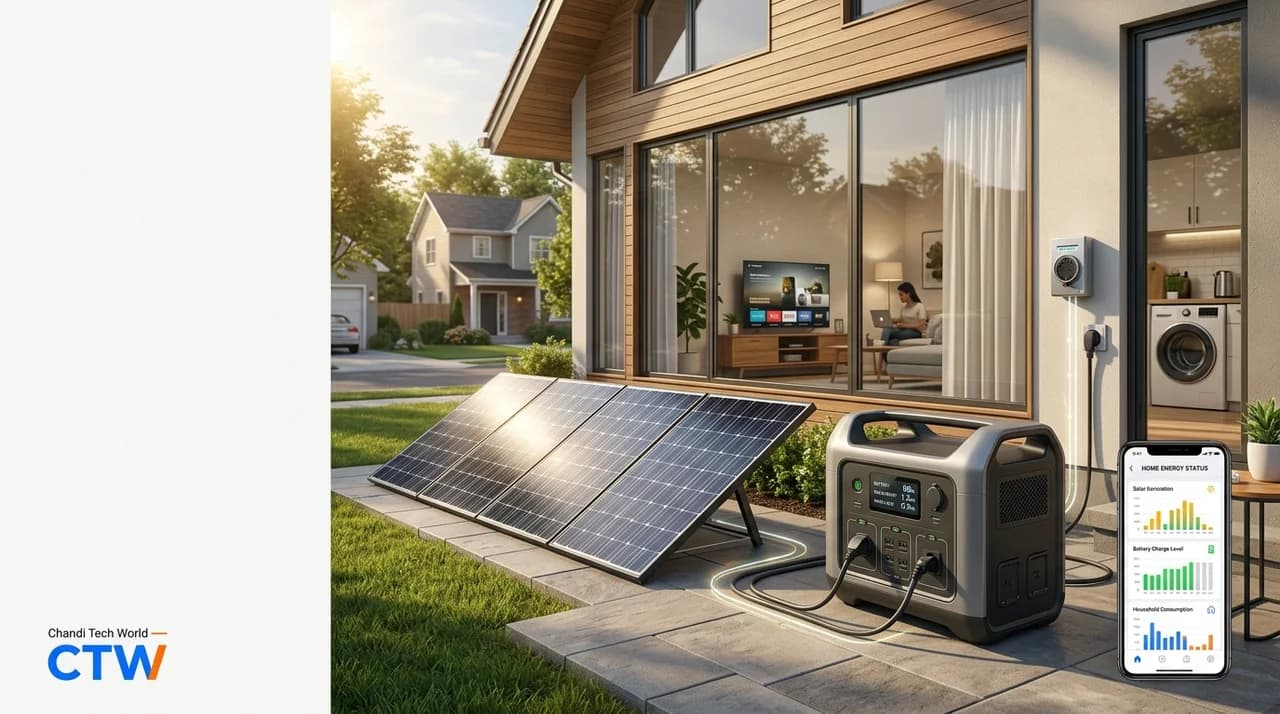
As the demand for renewable energy solutions continues to grow, DIY plug-in solar kits are becoming increasingly popular among homeowners in the United States. Leading this trend is EcoFlow, a company known for its innovative approach to solar technology. Their weatherproof solar kit, which integrates a battery, offers an accessible and user-friendly way for individuals to harness solar power, significantly reducing their electricity bills. With the ongoing push for sustainability and energy independence, these kits are emerging as a practical solution for many households.
The Appeal of DIY Solar Solutions
DIY solar kits are gaining traction as more consumers seek sustainable energy alternatives. Unlike traditional solar panel installations that often require professional assistance and significant upfront investments, these plug-in kits allow homeowners to easily set up their systems without the need for specialized knowledge. This democratization of solar technology is enabling a broader audience to engage in renewable energy practices. Moreover, the simplicity of installation means that homeowners can start saving on their electricity bills almost immediately, making it an attractive option for those looking to reduce their energy expenses.
How EcoFlow's Plug-In Solar Kit Works
EcoFlow's plug-in solar kit is designed to be user-friendly. Users can simply plug the kit into a standard wall outlet, making it easy to integrate into existing home energy systems. The kit provides up to 800 watts of solar power, which can drastically cut down on electricity costs. One user reported that after using the kit, their electricity bill dropped to nearly $0, showcasing the potential savings. This significant reduction in energy costs highlights the effectiveness of the kit, particularly during sunny days when solar energy generation is at its peak.
Benefits of Going Solar
The advantages of adopting solar energy extend beyond just financial savings. Homeowners who utilize solar kits contribute to a reduction in carbon emissions, aligning with broader sustainability goals. By decreasing reliance on fossil fuels, these systems support the transition to cleaner energy sources. Additionally, solar energy can provide a level of energy independence, reducing reliance on traditional power grids and fossil fuels. This independence is particularly valuable during times of energy crises or fluctuating energy prices, as homeowners can rely on their own generated power.
Challenges and Considerations
While the benefits of DIY solar kits are compelling, there are challenges to consider. For instance, the effectiveness of solar kits can depend on geographic location, weather conditions, and the orientation of the home. Homes in sunnier regions may experience greater benefits compared to those in areas with frequent cloud cover or inclement weather. Moreover, users must ensure that their electrical systems can handle the additional load without compromising safety. Proper installation and understanding of the home’s electrical capacity are crucial to avoid potential hazards. Despite these challenges, the overall trend suggests a growing acceptance of solar technology among everyday consumers, as more people become aware of the long-term benefits.
The Future of Solar Energy in Home Improvement
As the renewable energy landscape evolves, DIY plug-in solar kits are poised to play a significant role in home improvement. With companies like EcoFlow leading the charge, these products are not only making solar power more accessible but also encouraging a shift in consumer behavior towards sustainable living. The increasing awareness of climate change and the importance of energy conservation is likely to further fuel the adoption of such technologies. As more homeowners recognize the dual benefits of cost savings and environmental responsibility, the demand for DIY solar kits is expected to rise.
Conclusion
The rise of DIY plug-in solar kits represents a significant step forward in making renewable energy solutions practical and attainable for the average homeowner. By offering an easy-to-use, cost-effective way to harness solar power, companies like EcoFlow are helping to pave the way for a more sustainable future. As more people embrace these technologies, the potential for widespread change in energy consumption patterns is immense. The shift towards renewable energy not only benefits individual households but also contributes to a larger movement towards a more sustainable and resilient energy infrastructure across the United States.
Key Highlights
- DIY plug-in solar kits are gaining popularity in the U.S.
- EcoFlow leads the market with its weatherproof solar kit.
- The kit can provide up to 800 watts of solar power.
- Users can plug the kit into standard wall outlets for easy use.
- One user reported their electricity bill dropped to nearly $0.
- The trend reflects a growing interest in sustainability and renewable energy.
- DIY solar kits allow homeowners to reduce reliance on traditional power grids.
Expert Analysis
Technical Analysis
The technology involved in DIY plug-in solar kits primarily revolves around solar power generation and battery technology. These kits typically consist of solar panels that convert sunlight into electricity, which is then stored in a battery for later use. The EcoFlow plug-in solar kit, for instance, can provide up to 800 watts of solar power, allowing homeowners to significantly reduce their electricity bills. The integration of a battery system makes it user-friendly, as it allows for immediate energy savings without the need for complex installations or professional assistance.
What sets these DIY solar kits apart from traditional solar installations is their accessibility and ease of use. Homeowners can simply plug the kit into a standard wall outlet, making it a straightforward solution for those without specialized knowledge. However, the effectiveness of these kits can vary based on geographic factors such as sunlight availability and home orientation. While they offer a practical solution for many, users must also consider their home's electrical capacity to avoid safety hazards, which highlights a limitation in their widespread adoption.
Advantages
- User-friendly installation without the need for professional assistance.
- Immediate reduction in electricity bills, with potential savings reported at nearly $0.
- Contributes to sustainability by reducing carbon emissions and reliance on fossil fuels.
- Provides energy independence, especially valuable during energy crises or price fluctuations.
Disadvantages
- Effectiveness can vary based on geographic location and weather conditions.
- Users must ensure their electrical systems can handle the additional load safely.
Real-World Use Cases
- Homeowners in sunny regions can install the kits to significantly reduce their electricity costs.
- Individuals looking for an easy entry into renewable energy solutions without professional help.
- Families seeking to contribute to sustainability goals while enjoying immediate financial benefits.
- Property owners wanting to enhance energy independence and reduce reliance on traditional power grids.
Business Impact
The rise of DIY plug-in solar kits is likely to disrupt the traditional solar installation market, which often requires significant upfront investments and professional labor. Companies like EcoFlow are positioning themselves as leaders in this emerging segment, potentially capturing a substantial share of the growing demand for accessible renewable energy solutions. This shift could lead to increased revenue opportunities for businesses that innovate in the DIY solar space, as more consumers seek cost-effective and sustainable energy alternatives.
User Impact
Homeowners stand to benefit significantly from the adoption of DIY solar kits, particularly those looking to reduce their energy costs and contribute to environmental sustainability. However, individuals in regions with less sunlight may not experience the same level of benefits, which could limit the appeal of these kits in certain areas. Overall, ordinary users should care about this trend as it represents a shift towards more sustainable living practices, and the potential for immediate cost savings makes it worth considering for many households.
Security & Privacy
Security and privacy analysis not applicable.
Future Outlook
As awareness of climate change and the importance of renewable energy grows, the market for DIY plug-in solar kits is expected to expand. Companies like EcoFlow may continue to innovate, potentially introducing more advanced features or higher capacity systems that further enhance user experience. The trend suggests a shift in consumer behavior towards sustainable living, which could lead to increased adoption of these technologies in the coming years.
Expert Summary
The rise of DIY plug-in solar kits represents a significant advancement in making renewable energy accessible to the average homeowner. With companies like EcoFlow leading the way, this trend is likely to reshape energy consumption patterns across the United States. Stakeholders in the energy sector, including consumers, businesses, and policymakers, should pay attention to this development, as it not only offers immediate financial benefits but also contributes to a broader movement towards sustainability.
Originally reported by The Verge.



