
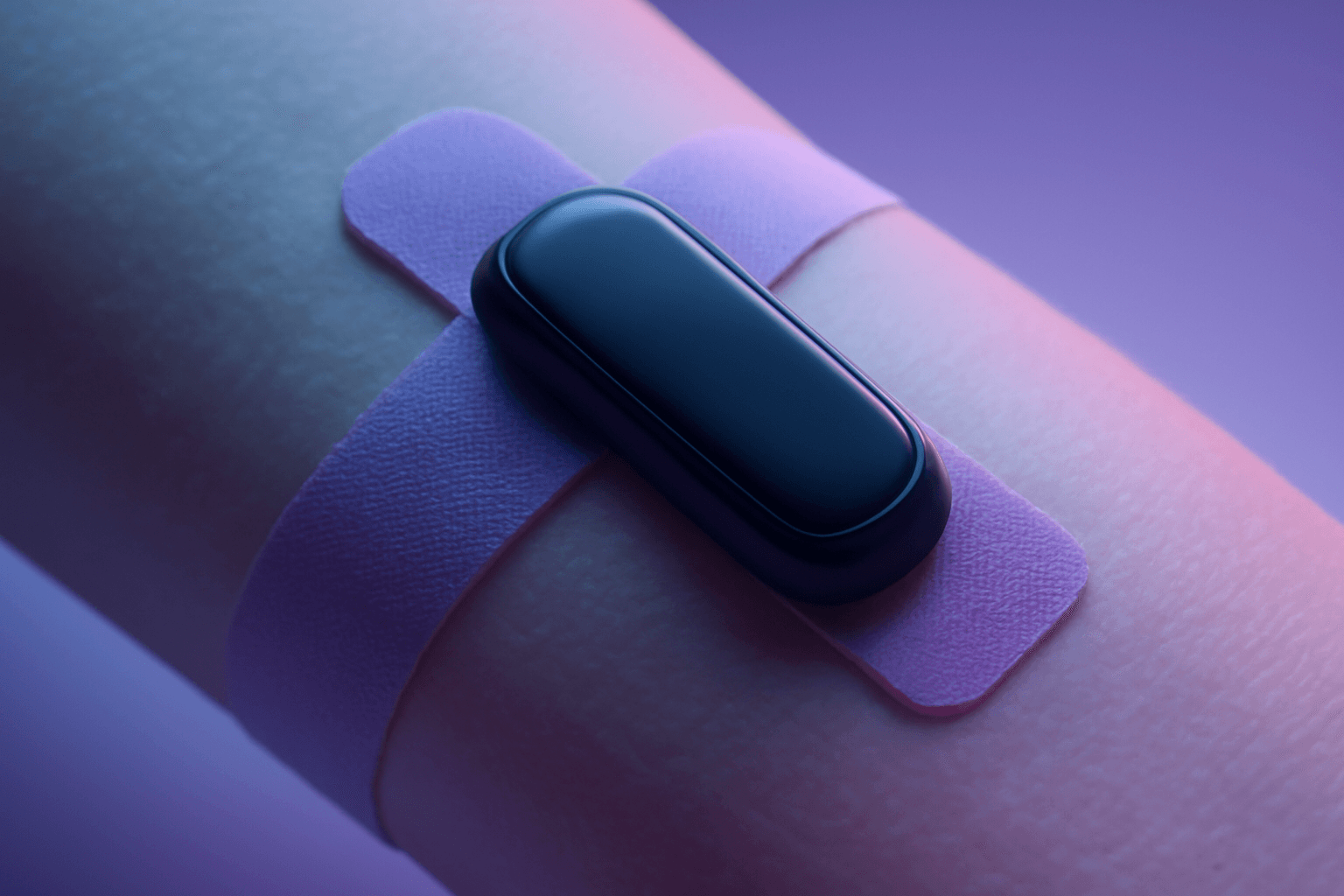
The world of wearable technology is constantly evolving, with users often finding creative ways to enhance their experience. Recently, Fitbit Air users have taken this innovation a step further by abandoning traditional bands in favor of directly attaching their fitness trackers to their skin using athletic tape. This trend not only showcases the adaptability of wearable technology but also highlights the community's enthusiasm for personalizing their fitness journeys.
Fitbit Air: A Minimalist Approach to Fitness Tracking
The Fitbit Air is designed as a low-profile, screenless fitness tracker aimed at providing users with a seamless way to monitor their activity levels. Its affordability and minimalistic design make it an attractive option for those who prefer a less intrusive wearable. By focusing on passive tracking, the Fitbit Air allows users to incorporate fitness monitoring into their daily lives without the bulk of traditional devices. This design philosophy aligns with the growing trend toward minimalism in technology, where users seek devices that enhance their lives without overwhelming them.
Creative Solutions: Athletic Tape as a New Accessory
In a surprising turn of events, some Fitbit Air users have discovered that they can enhance their tracking experience by using athletic tape to affix the device directly to their skin. This unconventional method has led to various placements, with users reporting successful attachment on their biceps, ankles, and even other body parts. This innovative approach has sparked discussions on platforms like Reddit, where users share their experiences and tips. The use of athletic tape not only allows for a more personalized fit but also opens up new possibilities for how wearables can be integrated into daily activities, particularly for those who engage in high-intensity workouts or sports.
Community Insights: Sharing Experiences on Reddit
The Fitbit community is known for its active engagement, and the recent trend of bandless wear has fueled conversations online. Users are posting photos and stories about their experiences with the Fitbit Air, showcasing how they have adapted the device to fit their lifestyles. Many have found that wearing the tracker directly on their skin does not interfere with its tracking capabilities, leading to a growing interest in alternative usage methods. This sharing of information not only fosters a sense of community among Fitbit users but also encourages further experimentation with the device, as individuals seek to optimize their fitness tracking experience.
Benefits and Considerations of Bandless Wear
- Comfort: Some users report that wearing the tracker directly on the skin can be more comfortable than using a band, especially during workouts. This is particularly relevant for individuals who find traditional bands restrictive or irritating during physical activity.
- Discreetness: The low-profile design of the Fitbit Air makes it less noticeable when worn directly on the body. For those who prefer a more subtle approach to fitness tracking, this method can be appealing.
- Tracking Accuracy: Users have noted minimal interference with tracking performance, raising questions about the necessity of traditional bands. This observation may prompt further investigation into the optimal ways to wear fitness trackers for maximum effectiveness.
- Durability: While athletic tape is generally secure, users should consider the potential for wear and tear during physical activities. It is important for users to assess their activity levels and choose appropriate tape types that can withstand sweat and movement.
Fitbit's Response: Official Stance on Bandless Use
Despite the growing trend of bandless wear among Fitbit Air users, the company has not officially endorsed this method of use. Fitbit emphasizes the importance of using their products as intended, which includes wearing the tracker with its designated bands. However, the company’s silence on the matter leaves room for interpretation, allowing users to explore their own innovative solutions. This lack of a definitive stance may indicate a recognition of the evolving nature of consumer behavior and the need for companies to adapt to user-driven trends.
The Future of Wearable Technology
The adaptability demonstrated by Fitbit Air users may signal a broader trend in wearable technology. As consumers become more engaged with their fitness devices, the demand for personalization and alternative usage methods is likely to grow. This trend could encourage manufacturers to consider more versatile designs that cater to the evolving needs of their users. Companies may find that embracing user innovation can lead to enhanced customer loyalty and satisfaction, as well as inspire new product developments that align with consumer preferences.
Conclusion: Embracing Innovation in Fitness Tracking
In conclusion, the trend of using athletic tape to wear the Fitbit Air directly on the skin illustrates the creativity and resourcefulness of the fitness community. While not officially sanctioned by Fitbit, this innovative approach highlights the ongoing evolution of wearable technology and the importance of user feedback in shaping future products. As fitness enthusiasts continue to experiment with their devices, the possibilities for wearable technology remain endless. The willingness of users to adapt and innovate may very well pave the way for a new era in fitness tracking, one where personalization and user experience take center stage.
Key Highlights
- Fitbit Air users are creatively using athletic tape to attach the tracker directly to their skin.
- This trend showcases the adaptability of wearable technology and user innovation.
- Many users report successful placements on biceps and ankles without tracking interference.
- The Fitbit Air is designed as a minimalist, screenless device for passive activity tracking.
- Community discussions on platforms like Reddit highlight user experiences with bandless wear.
- Fitbit has not officially endorsed the practice of wearing the tracker without bands.
- The trend may influence future designs in wearable technology, emphasizing personalization.
Expert Analysis
Technical Analysis
The Fitbit Air is a minimalist fitness tracker designed without a screen, focusing on passive activity monitoring. This technology leverages sensors to track various fitness metrics, allowing users to seamlessly integrate fitness tracking into their daily routines without the bulk of traditional devices. The device's low-profile design and affordability cater to users seeking a less intrusive wearable experience, aligning with the growing trend towards minimalism in technology.
The recent trend of users attaching the Fitbit Air directly to their skin using athletic tape showcases an innovative adaptation of wearable technology. This method not only enhances comfort and discreetness during workouts but also raises questions about the necessity of traditional bands. While this approach has been met with positive feedback regarding tracking accuracy, it does introduce considerations regarding the durability of the tape during high-intensity activities. Overall, this trend exemplifies how user creativity can influence the functionality and perception of wearable devices.
Advantages
- Comfortable fit during workouts, especially for those who find traditional bands restrictive.
- Discreetness of the device when worn directly on the skin, appealing to users who prefer subtle fitness tracking.
- Minimal interference with tracking performance, suggesting that traditional bands may not be necessary.
- Encourages community engagement and sharing of innovative usage methods among Fitbit users.
Disadvantages
- Potential wear and tear of athletic tape during physical activities, which may affect durability.
- Fitbit has not officially endorsed this method, leading to uncertainty about its long-term viability.
Real-World Use Cases
- Athletes and fitness enthusiasts can use the Fitbit Air directly on their skin for a more comfortable tracking experience during intense workouts.
- Individuals who prefer a low-profile fitness tracker can benefit from the discreetness of wearing the device without a band.
- Users can experiment with different placements of the tracker on their bodies to optimize tracking accuracy and comfort.
Business Impact
The trend of bandless wear could influence Fitbit's product development strategy, encouraging the company to explore more versatile designs that cater to user preferences. This shift may also create opportunities for increased customer loyalty as users feel more engaged with the brand. Competitors in the wearable technology space may need to respond by innovating their own designs to meet the evolving demands of consumers seeking personalization and adaptability in fitness tracking products.
User Impact
Ordinary users who prioritize comfort and discreetness in their fitness tracking may find significant benefits from this trend. However, those who prefer the traditional band experience or are concerned about the durability of athletic tape may not be as inclined to adopt this method. Overall, users should consider their personal preferences and activity levels when deciding whether to embrace this innovative approach.
Security & Privacy
Security and privacy analysis not applicable.
Future Outlook
As the trend of bandless wear continues to gain traction, manufacturers may need to adapt their designs to accommodate user-driven innovations. This could lead to the development of new wearable technologies that prioritize personalization and comfort. Additionally, as more users share their experiences and preferences online, companies may find valuable insights that can guide future product enhancements and marketing strategies.
Expert Summary
The trend of using athletic tape to wear the Fitbit Air directly on the skin represents a significant shift in how users interact with wearable technology. Companies like Fitbit should pay attention to this user-driven innovation, as it highlights the importance of adaptability and personalization in the fitness tracking market. This news matters not only for Fitbit but for the broader wearable technology industry, as it signals a potential evolution in product design and user engagement.
Originally reported by Android Authority.



