
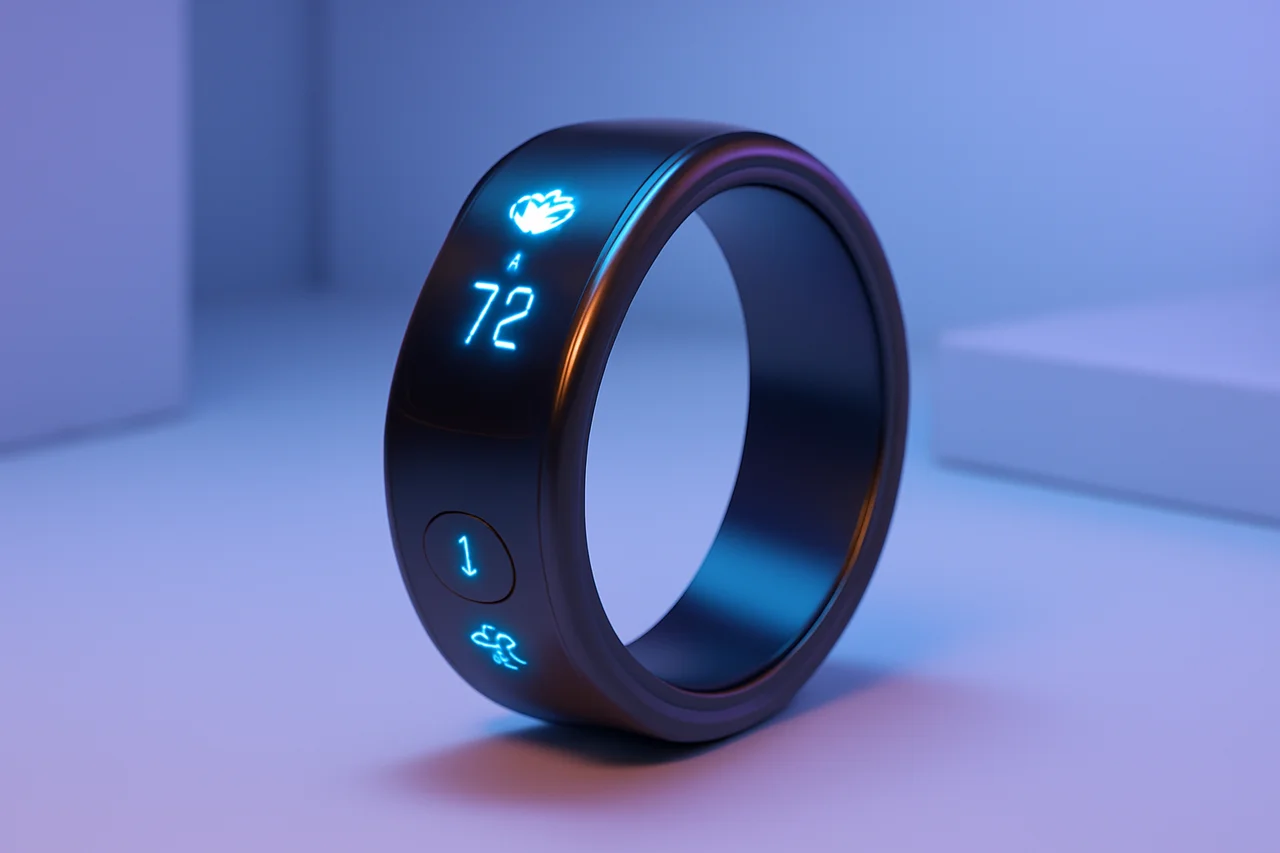
Garmin, a well-known name in wearable technology, is reportedly gearing up to make its mark in the smart ring market. Recent developments suggest that the company may be on the verge of launching a new product line, which could include a smart ring designed to complement its existing fitness trackers and smart bands. As the demand for wearable technology continues to grow, Garmin's entry into this segment could reshape consumer expectations and enhance the company's already robust portfolio.
ANATEL Certification Signals New Developments
A recent filing with Brazil's ANATEL certification authority has raised eyebrows in the tech community. The certification lists 10 unannounced Garmin products, all of which share similar model numbers. This pattern strongly indicates that these items may be variants of a single product, potentially a smart ring. The significance of ANATEL certification cannot be understated; it is a crucial step for any electronic product looking to enter the Brazilian market, ensuring compliance with local regulations and standards.
Insights from Model Numbers
The model numbers associated with this ANATEL certification—ranging from A05124 to AA5124—suggest a variety of sizes for the upcoming smart ring. This approach would align with Garmin's strategy of providing customizable options to cater to different user preferences and needs. By offering multiple sizes, Garmin aims to ensure that the smart ring fits comfortably and securely on a wide range of users, addressing one of the common challenges faced by manufacturers in the wearable technology space.
Expanding Product Line with CIRQA
Earlier this year, Garmin made a significant entry into the screenless fitness tracker market with the launch of the CIRQA Smart Band. This product has been well-received, indicating that Garmin is successfully diversifying its offerings in the wearable technology sector. The potential introduction of the CIRQA Smart Ring could further solidify Garmin’s reputation as a leader in fitness and health tracking. The CIRQA Smart Band has already established a foundation of consumer trust, which the smart ring can build upon by offering additional features and functionalities.
Previous Listings and Market Trends
Further supporting the speculation around the smart ring is the brief appearance of a product named the CIRQA Smart Ring in an Indonesian certification database. Although this listing was quickly removed, it underscores Garmin's ongoing exploration of new product categories and its intent to expand its wearable technology portfolio. The global trend towards miniaturization in technology, coupled with the increasing consumer interest in health and fitness monitoring, makes the timing of this potential launch particularly opportune.
What This Means for Consumers
If Garmin successfully enters the smart ring market, it could provide consumers with a new, innovative way to track their fitness and health metrics. Smart rings are becoming increasingly popular due to their compact size and functionality, offering features such as activity tracking, sleep monitoring, and even heart rate monitoring—all in a discreet form factor. The integration of such features into a smart ring could appeal to consumers who prefer a less obtrusive way of monitoring their health compared to traditional wearables like smartwatches.
Looking Ahead
As Garmin continues to innovate and expand its product lineup, the smart ring market could see significant competition. With the company’s established reputation and technological expertise, the potential launch of the CIRQA Smart Ring is something to watch closely. Consumers and tech enthusiasts alike are eager to see how this new product will integrate with Garmin's existing ecosystem of devices. The ability to sync data across multiple Garmin devices could enhance user experience, providing a comprehensive view of health and fitness metrics.
Conclusion
Garmin's possible entry into the smart ring market, as indicated by recent ANATEL certification filings, marks an exciting development in the wearable technology landscape. With a focus on user customization and health tracking, the CIRQA Smart Ring could offer consumers yet another tool to enhance their fitness journeys. As the situation develops, all eyes will be on Garmin to see how it leverages its expertise in wearables to introduce this new product. The implications of this launch extend beyond just Garmin, as it could influence market dynamics and consumer preferences in the rapidly evolving world of wearable technology.
Key Highlights
- Garmin may soon launch a smart ring, as indicated by ANATEL certification.
- The certification lists 10 unannounced products with similar model numbers.
- These model numbers suggest the possibility of different sizes for the smart ring.
- Garmin's CIRQA Smart Band was launched earlier this year, marking its entry into the screenless fitness tracker market.
- A product named CIRQA Smart Ring briefly appeared in an Indonesian certification database.
- The smart ring market is growing, with increasing interest in compact and functional wearable technology.
- Garmin's expansion into the smart ring segment could enhance its existing ecosystem of fitness products.
Expert Analysis
Technical Analysis
Garmin's potential entry into the smart ring market involves the development of a new wearable device that is expected to complement its existing fitness trackers and smart bands. The smart ring is likely to integrate various health and fitness tracking features, such as activity tracking, sleep monitoring, and heart rate monitoring, all within a compact and discreet form factor. This design aims to solve the problem of providing health metrics in a less obtrusive way compared to traditional wearables like smartwatches, catering to consumers who prefer minimalistic technology.
The technology behind the smart ring will likely build upon Garmin's existing expertise in wearable technology, particularly with the recently launched CIRQA Smart Band. The introduction of multiple size variants, as indicated by the ANATEL certification, suggests a focus on user customization, addressing a common challenge in wearable technology where fit and comfort are crucial. However, the limitations of smart rings, such as battery life and the extent of features compared to larger devices, may still pose challenges that Garmin will need to navigate as it enters this competitive market.
Advantages
- Compact and discreet design for health tracking.
- Potential integration with Garmin's existing ecosystem of devices.
- Customization options with multiple sizes to fit diverse users.
- Focus on health and fitness metrics that appeal to health-conscious consumers.
Disadvantages
- No major disadvantages reported yet.
Real-World Use Cases
- Individuals seeking a less obtrusive way to monitor their health metrics.
- Fitness enthusiasts who want to track their activity levels without wearing a smartwatch.
- Consumers looking for a customizable wearable that fits comfortably.
- Health-conscious users interested in sleep monitoring and heart rate tracking.
Business Impact
Garmin's entry into the smart ring market could significantly impact the wearable technology landscape, potentially reshaping consumer expectations and preferences. As Garmin diversifies its product offerings, it may attract a new segment of consumers who prioritize compact health tracking solutions. This move could also intensify competition among existing players in the smart ring market, prompting innovation and improvements across the industry, ultimately creating new revenue opportunities for Garmin.
User Impact
Consumers stand to benefit from Garmin's potential smart ring, especially those who prefer a more discreet method of health and fitness tracking. The integration of advanced features into a compact design may appeal to a broader audience, including those who find traditional wearables cumbersome. However, ordinary users should remain cautious and assess whether the features offered align with their personal health tracking needs before adopting this new technology.
Security & Privacy
Security and privacy analysis not applicable.
Future Outlook
In the near term, Garmin is expected to finalize the development of the CIRQA Smart Ring, with a focus on integrating it seamlessly into its existing product ecosystem. As consumer interest in health monitoring continues to rise, Garmin's entry into this market could lead to further innovations in wearable technology. Future developments may include enhanced features, improved battery life, and greater connectivity with other devices, setting the stage for Garmin to establish a strong foothold in the smart ring segment.
Expert Summary
Garmin's potential launch of the CIRQA Smart Ring represents a significant development in the wearable technology market, particularly for health and fitness tracking. Stakeholders in the tech industry and consumers interested in innovative health solutions should pay close attention to this emerging product. Overall, Garmin's established reputation and expertise in wearables position it well to make a meaningful impact in the smart ring market.
Originally reported by Android Authority.



