
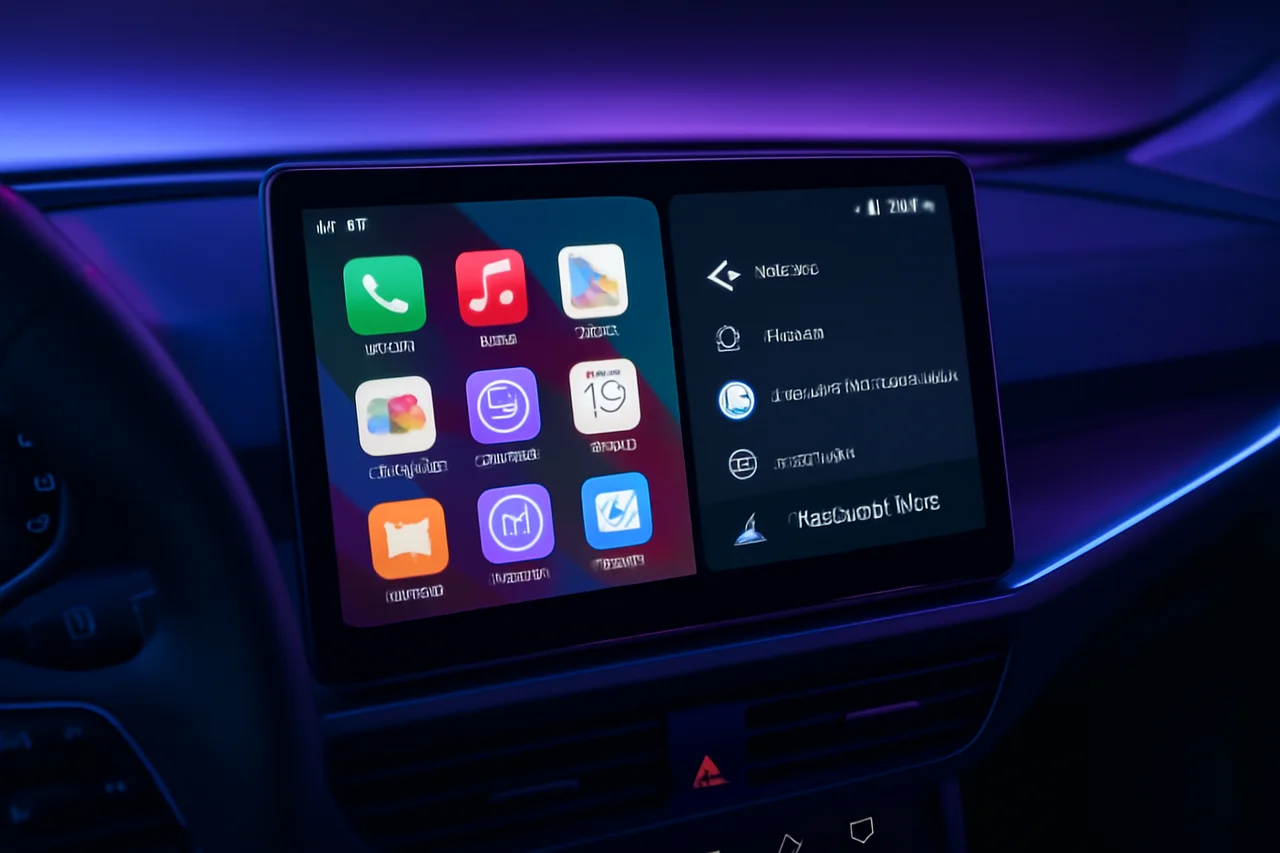
In a significant advancement for automotive infotainment systems, General Motors (GM) has unveiled a new solution allowing both Apple’s CarPlay and Google’s Android Auto to operate simultaneously on vehicle displays. This innovative approach aims to enhance the user experience by optimizing screen usage, ensuring that neither system monopolizes the display area. As vehicles become more technologically advanced, the integration of these systems has become a crucial aspect of modern driving.
Understanding the Need for Splitscreen Functionality
As vehicles become increasingly equipped with advanced technology, the demand for effective infotainment systems has surged. Drivers and passengers alike seek seamless integration with their smartphones, which has made systems like CarPlay and Android Auto indispensable. However, the challenge has always been how to manage screen space effectively. With larger screens becoming standard in many new vehicles, the potential for distraction has also increased. GM’s new solution addresses this by allowing both systems to share the screen, thus ensuring a more balanced and user-friendly interface.
The need for splitscreen functionality arises from the diverse ways in which drivers use their vehicles. Many rely on navigation apps for directions, music streaming services for entertainment, and messaging apps for communication. Traditionally, users had to switch between these applications, which not only interrupted their experience but also posed safety risks. GM’s innovation is a direct response to these challenges, providing a solution that enhances functionality while prioritizing driver safety.
How GM’s Solution Works
The splitscreen functionality enables users to access both CarPlay and Android Auto concurrently, allowing for multitasking without the need to switch between apps. This feature is particularly beneficial for drivers who rely on navigation, music, and communication tools simultaneously. By dividing the screen real estate, GM ensures that important information is readily accessible, enhancing safety and convenience on the road.
The implementation of this technology involves sophisticated software that dynamically adjusts the display based on user interactions. For example, if a driver is using a navigation app on CarPlay while also wanting to control music through Android Auto, the interface will allocate portions of the screen to each application. This seamless integration not only improves usability but also minimizes the cognitive load on the driver, allowing them to focus on the road ahead.
Benefits of Simultaneous Functionality
- Improved User Experience: Users can interact with both systems without interruption, leading to a more satisfying driving experience. This is particularly important for tech-savvy consumers who expect their vehicles to offer the same level of connectivity as their smartphones.
- Enhanced Safety: By keeping essential apps visible, drivers can maintain focus on the road while accessing necessary information. This feature is crucial in reducing the likelihood of distractions that can lead to accidents.
- Increased Efficiency: The ability to manage multiple applications at once reduces the need for constant app switching. This not only saves time but also enhances the overall functionality of the infotainment system.
Industry Impact and Future Implications
GM’s innovation is likely to set a precedent within the automotive industry, encouraging other manufacturers to explore similar solutions. As the competition for advanced infotainment systems heats up, the ability to effectively utilize screen space could become a key differentiator in the market. This move also reflects the growing trend of integrating technology into everyday driving experiences, paving the way for further advancements.
Moreover, this development may influence how automotive manufacturers approach their infotainment systems moving forward. As consumer expectations continue to evolve, the demand for multifunctional displays that can handle multiple applications simultaneously will likely increase. This could lead to a new standard in the industry, where the integration of technology is not just an added feature but a fundamental aspect of vehicle design.
Consumer Response and Expectations
Initial reactions from consumers and industry experts have been positive, with many expressing excitement about the potential for improved functionality. As infotainment systems continue to evolve, users are increasingly looking for solutions that offer versatility and ease of use. GM’s splitscreen feature appears to align well with these expectations, promising to enhance the overall driving experience.
Feedback from early adopters highlights the convenience of having both systems available at a glance. Users appreciate the ability to receive navigation prompts while controlling their music, all without the need to toggle between apps. This level of integration is likely to resonate with a broad audience, from tech enthusiasts to everyday drivers.
Conclusion
General Motors’ introduction of splitscreen functionality for CarPlay and Android Auto marks a significant step forward in the realm of automotive technology. By allowing both systems to coexist on the same display, GM not only optimizes screen usage but also enhances the user experience for drivers and passengers alike. As this technology rolls out, it will be interesting to see how it influences future developments in automotive infotainment systems. The implications of this innovation extend beyond mere convenience; they highlight a shift towards a more integrated and user-friendly approach to in-car technology, setting the stage for the next generation of automotive experiences.
Key Highlights
- GM introduces splitscreen functionality for CarPlay and Android Auto.
- The new feature allows both systems to operate simultaneously.
- This innovation optimizes screen usage in vehicles.
- Users can access navigation, music, and communication tools concurrently.
- The solution enhances safety by keeping essential apps visible.
- Industry experts predict this will influence future automotive technology.
- Consumer response to the feature has been largely positive.
Expert Analysis
Technical Analysis
The technology involved in GM's new splitscreen functionality integrates Apple's CarPlay and Google's Android Auto, allowing both systems to operate simultaneously on a vehicle's display. This innovation addresses the common challenge of screen real estate management in modern vehicles, where larger displays can lead to distractions. By enabling multitasking, drivers can access navigation, music, and messaging apps concurrently, enhancing the overall user experience while prioritizing safety.
The implementation of this technology relies on sophisticated software that dynamically adjusts the display based on user interactions. For instance, if a driver is using a navigation app on CarPlay while controlling music through Android Auto, the interface allocates screen portions to each application. This seamless integration minimizes cognitive load on the driver, allowing them to maintain focus on the road, thus solving the problem of frequent app switching that can lead to distractions and safety risks.
Advantages
- Improved user experience by allowing interaction with both systems without interruption.
- Enhanced safety through the visibility of essential apps, reducing distractions.
- Increased efficiency by managing multiple applications at once, saving time.
- Appeals to tech-savvy consumers who expect seamless connectivity in vehicles.
Disadvantages
- No major disadvantages reported yet.
Real-World Use Cases
- Drivers can use navigation apps while simultaneously controlling music playback.
- Passengers can access entertainment options while the driver navigates.
- Fleet vehicles can utilize the feature for better communication and navigation without compromising safety.
Business Impact
GM's innovation is poised to set a new standard in the automotive industry, prompting competitors to explore similar solutions for infotainment systems. As consumer expectations evolve, manufacturers may increasingly prioritize effective screen utilization, creating a competitive edge in the market. This could lead to new revenue opportunities as consumers seek vehicles equipped with advanced, multifunctional displays that enhance their driving experience.
User Impact
Ordinary users stand to benefit significantly from this innovation, as it enhances the driving experience by providing seamless access to multiple applications. Tech enthusiasts and everyday drivers alike will appreciate the convenience of having navigation and music controls visible simultaneously. This feature is likely to resonate with a broad audience, making it a worthwhile adoption for those who rely heavily on in-car technology.
Security & Privacy
Security and privacy analysis not applicable.
Future Outlook
In the near term, we can expect other automotive manufacturers to follow GM's lead by developing similar splitscreen functionalities for their infotainment systems. As the demand for integrated technology in vehicles continues to rise, advancements in software and display technology may further enhance the user experience. Future developments could include more customizable interfaces and improved responsiveness to user commands, setting the stage for a new era in automotive infotainment.
Expert Summary
GM's introduction of splitscreen functionality for CarPlay and Android Auto represents a significant advancement in automotive technology, addressing the critical need for effective infotainment system integration. Stakeholders in the automotive industry, including manufacturers and consumers, should pay attention to this trend as it may redefine user expectations and competitive strategies in the market. Overall, this innovation not only enhances user experience but also underscores the importance of safety and functionality in modern vehicles.
Originally reported by Engadget - Technology News & Expert Reviews.



