
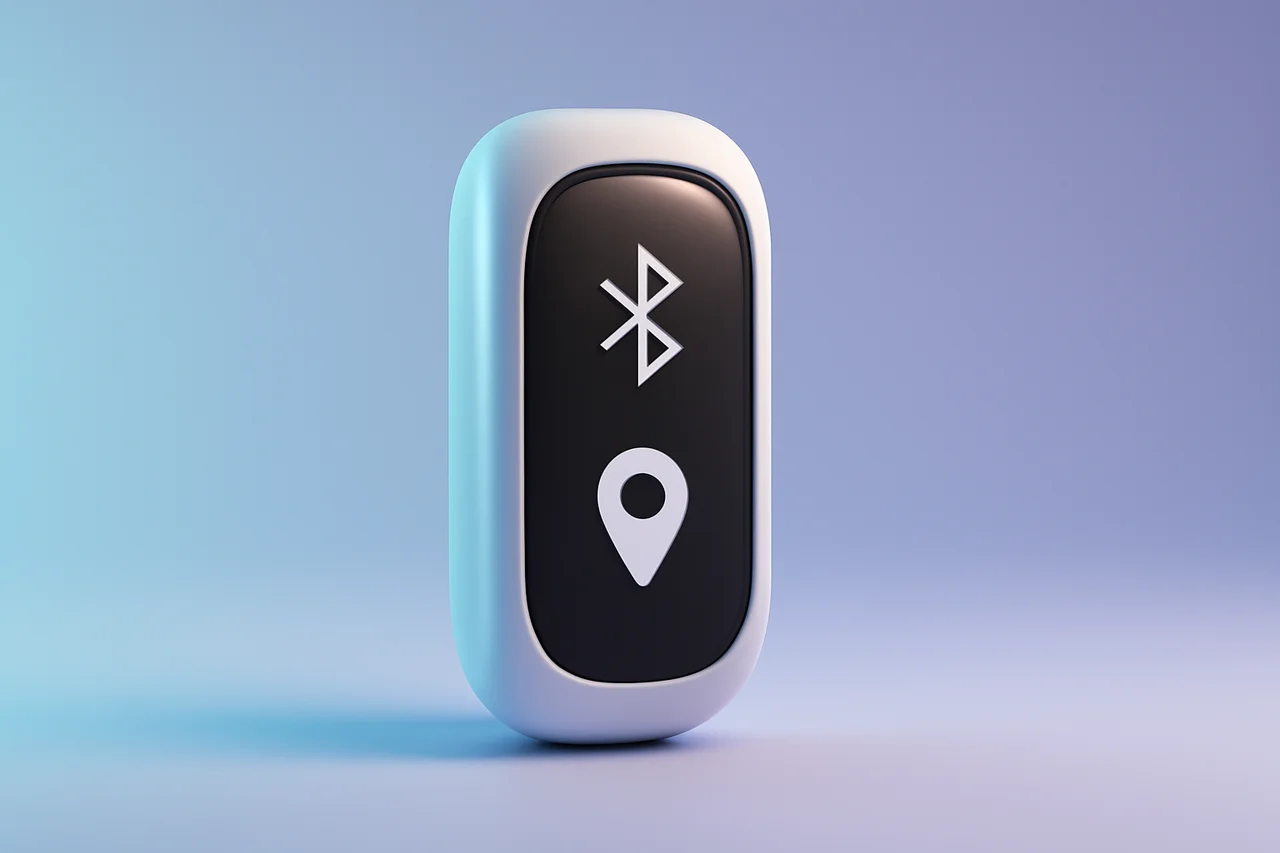
Recent developments suggest that Google is on the verge of launching a new wearable device, potentially a successor to the popular Fitbit Charge. This speculation stems from an FCC filing that hints at a fitness tracker running on Wear OS, alongside intriguing appearances in Pixel 11 advertisements.
Unveiling the Mystery Device
In Pixel 11 promotional materials, an unfamiliar pill-shaped wearable has caught the attention of tech enthusiasts. While Google has not officially named this device, its design leans more towards a fitness band rather than a full-fledged smartwatch. The recent FCC filing provides the first concrete clues that this mystery device may indeed be a new fitness tracker. This aligns with Google's ongoing efforts to expand its product line in the wearable technology sector, especially after its acquisition of Fitbit, a brand synonymous with fitness tracking.
Insights from the FCC Filing
The FCC filing reveals that the device, identified by the model number G8BL6, is manufactured by Goertek, a company known for producing various electronic devices, including the Pixel Buds. The presence of Bluetooth LE and GPS in the device's specifications indicates that it is designed to cater to fitness tracking needs. Bluetooth LE allows for efficient connectivity with smartphones and other devices, which is crucial for syncing fitness data seamlessly. Meanwhile, the inclusion of GPS suggests that users will be able to track their outdoor activities, such as running or cycling, without needing to carry their smartphones. However, the notable absence of Wi-Fi suggests that this wearable may not be intended for more advanced smartwatch functionalities, which could limit its appeal to those looking for a more comprehensive smartwatch experience.
Wear OS Integration
One of the most exciting aspects of this potential new device is its integration with Wear OS. Google's wearable operating system has seen significant updates and improvements, making it a strong contender in the fitness tracker market. If the G8BL6 indeed runs on Wear OS, it could offer users a seamless experience that combines fitness tracking with access to various apps and services. This integration could allow users to receive notifications, control music playback, and even access third-party fitness applications directly from their wrist. Furthermore, the synergy between Fitbit's health-focused features and Wear OS could enhance the overall user experience, providing a rich ecosystem for health and fitness enthusiasts.
What This Means for Google and Fitbit
For Google, the development of a new fitness tracker could signal a strategic move to enhance its presence in the wearable market, particularly following its acquisition of Fitbit. The new device may not only compete with existing fitness trackers but also aim to capture the interest of those who appreciate the Fitbit brand's legacy in health and fitness. By leveraging Fitbit's established reputation and user base, Google could position the G8BL6 as a compelling option for consumers who are looking for reliable fitness tracking capabilities combined with the latest technology. This could also serve to strengthen Google's ecosystem of devices, making it more attractive to users who already own other Google products.
Anticipating the Launch
While the details surrounding the G8BL6 remain scarce, the excitement surrounding its potential launch is palpable. As Google continues to innovate in the wearable space, tech enthusiasts and fitness aficionados alike are keen to see how this new device will fit into the company's broader ecosystem. The integration of Wear OS could be a game-changer, providing users with a comprehensive fitness tracking experience. Additionally, the timing of the launch alongside the Pixel 11 could create a buzz that propels both products into the spotlight, showcasing Google's commitment to advancing its technology in both the smartphone and wearable markets.
Conclusion
As we await further announcements from Google, the speculation regarding the G8BL6 model and its features continues to grow. The combination of fitness tracking capabilities with Wear OS could position this device as a noteworthy contender in the market, especially for those who are already fans of Fitbit products. Whether this device will officially be unveiled alongside the Pixel 11 remains to be seen, but the anticipation is certainly building. With the increasing demand for health and fitness technology, Google’s entry into this space with a new device could not only redefine its approach to wearables but also challenge competitors in the fitness tracking arena.
Key Highlights
- Google may be developing a new fitness tracker running on Wear OS.
- The device is hinted at in recent Pixel 11 advertisements.
- An FCC filing reveals the model number G8BL6, manufactured by Goertek.
- The tracker includes Bluetooth LE and GPS but lacks Wi-Fi.
- This device could be a successor to the Fitbit Charge.
- Wear OS integration may enhance the user experience for fitness tracking.
- The development reflects Google's strategy to strengthen its wearable market presence.
- The exact launch date and features of the G8BL6 remain unconfirmed.
Expert Analysis
Technical Analysis
The new wearable device from Google, identified by the model number G8BL6, is expected to leverage Wear OS, Google's proprietary operating system for wearables. This integration allows the device to not only function as a fitness tracker but also provide access to various applications and services, enhancing the user experience. The inclusion of Bluetooth LE facilitates efficient connectivity with smartphones, enabling seamless data synchronization, while GPS functionality allows users to track outdoor activities independently, without needing to carry their smartphones. However, the absence of Wi-Fi suggests that the device may lack some advanced smartwatch features, potentially limiting its appeal to users seeking a comprehensive smartwatch experience.
What sets this device apart is its strategic positioning within Google's ecosystem, particularly following the acquisition of Fitbit. By combining Fitbit's established health and fitness tracking capabilities with the updated features of Wear OS, Google aims to create a compelling product for fitness enthusiasts. Nevertheless, the limitations regarding connectivity options and the device's focus on fitness tracking rather than broader smartwatch functionalities could restrict its market reach, especially among users who desire more versatile wearable technology.
Advantages
- Efficient connectivity with smartphones through Bluetooth LE for seamless data synchronization.
- GPS functionality allows users to track outdoor activities without needing a smartphone.
- Integration with Wear OS provides access to various apps and notifications.
- Combines Fitbit's health-focused features with Google's latest technology for a richer user experience.
Disadvantages
- The absence of Wi-Fi may limit advanced smartwatch functionalities.
- Potentially less appeal for users looking for a comprehensive smartwatch experience.
Real-World Use Cases
- Fitness enthusiasts can use the device to track workouts and outdoor activities like running and cycling.
- Users can receive notifications and control music playback directly from the wearable.
- Health-conscious individuals can benefit from Fitbit's established health tracking features integrated with Wear OS.
Business Impact
Google's entry into the fitness tracker market with the G8BL6 could significantly enhance its presence in the wearable technology sector, particularly leveraging the legacy of the Fitbit brand. This move not only positions Google to compete with existing fitness trackers but also allows it to attract consumers who value reliable fitness tracking combined with modern technology. The potential synergy between this device and other Google products could create additional revenue opportunities and strengthen the overall ecosystem, making it more appealing to current and prospective users.
User Impact
Ordinary users, particularly those interested in fitness and health tracking, stand to benefit from the G8BL6's capabilities. The integration of Wear OS could make it easier for users to manage their fitness data and access various applications directly from their wrist. However, users seeking a more comprehensive smartwatch experience may find the device lacking due to its limitations in connectivity and functionality. Overall, for fitness enthusiasts and those already invested in the Fitbit ecosystem, this device could be worth adopting.
Security & Privacy
Security and privacy analysis not applicable.
Future Outlook
As anticipation builds for the G8BL6, it is likely that Google will continue to refine its wearable technology offerings, potentially introducing new features or improvements based on user feedback. The integration of Wear OS could evolve further, enhancing the device's capabilities and user experience. Additionally, the timing of the launch alongside the Pixel 11 may signal a broader strategy to unify Google's product ecosystem, possibly leading to more cohesive experiences across devices in the future.
Expert Summary
The potential launch of Google's G8BL6 wearable is significant for both the company and the fitness tracking market. With its integration of Wear OS and Fitbit's health features, this device could attract a dedicated user base while enhancing Google's ecosystem. Stakeholders in the wearable technology space, including consumers and competitors, should pay close attention to how this device develops and its implications for the future of fitness tracking.
Originally reported by Android Authority.



