
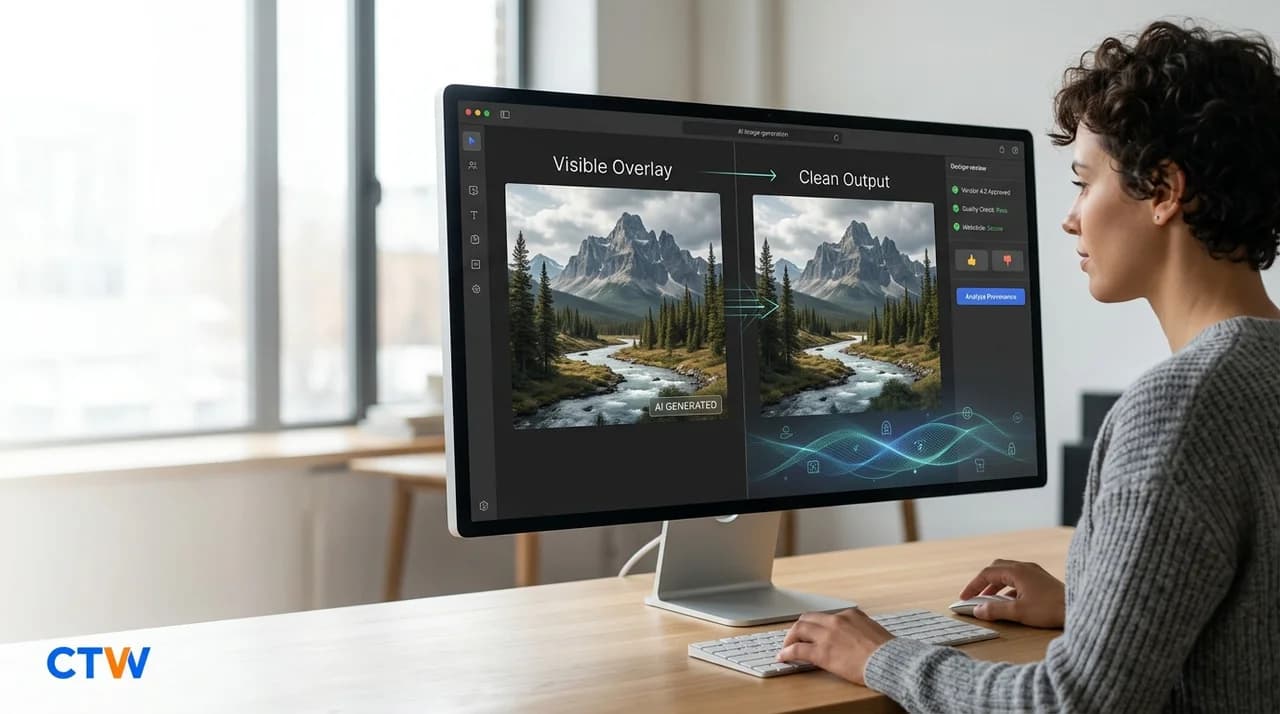
In a significant shift for AI image generation, Google is considering a feature that would allow users to create images with its Gemini tool, specifically using the Nano Banana feature, without visible watermarks. This potential update comes in response to user feedback requesting a cleaner output, free from the small visual overlays that currently accompany generated images. As the demand for high-quality, professional-looking visuals grows, this move could be a game changer in the realm of digital content creation.
Understanding Gemini and Nano Banana
Gemini is Google's advanced AI image generation tool that has gained popularity for its ability to create high-quality visuals tailored to user specifications. Among its features, Nano Banana stands out, offering users an intuitive way to generate images that are not only visually appealing but also customizable. This flexibility is crucial for professionals in fields such as marketing, graphic design, and content creation, where the quality of imagery can significantly impact the effectiveness of communication. However, the presence of visible watermarks has been a point of contention for many users, leading Google to explore options for enhancement.
The Role of Watermarking in AI Images
Currently, Google employs a dual watermarking strategy for images produced by Gemini. This includes an invisible watermark known as SynthID, which is designed to protect the integrity of the content, along with a small visible watermark that indicates the source of the image. While the invisible watermark serves its purpose discreetly, the visible overlay has been criticized for detracting from the overall aesthetic of the generated images. Watermarking serves a dual purpose: it not only protects the intellectual property of the creators but also informs viewers about the origin of the content. However, as AI-generated images become more prevalent, the challenge lies in balancing the need for protection with the desire for aesthetic appeal.
User Feedback Drives Change
Google’s exploration of removing visible watermarks seems to stem from a growing demand among users for more polished and professional-looking images. Many users have expressed a desire for the freedom to use AI-generated content without the visual clutter of watermarks, particularly for creative projects and presentations. This feedback has prompted Google to consider this feature as part of its ongoing commitment to improving user experience. The move aligns with a broader trend in technology where user-centric design is becoming paramount. By listening to user concerns, Google not only enhances the functionality of Gemini but also strengthens its relationship with its user base.
Potential Implications of Watermark Removal
Should Google implement this feature, users may find themselves with more flexibility in how they utilize AI-generated images. The removal of visible watermarks could lead to a more seamless integration of these images into various applications, from marketing materials to personal projects. This change could empower users to present their work in a more professional light, potentially increasing the appeal of Gemini among creative professionals. However, it remains unclear whether this option would extend to previously generated images or only apply to new creations moving forward. This uncertainty could affect user strategies for content creation, as many may wish to revisit older projects with the new capabilities.
Advancements in AI Image Generation
The evolution of AI image generation has been remarkable over the past few years. Modern AI models have significantly improved in their ability to produce realistic and coherent images, reducing common issues such as distorted text or bizarre anatomical features. This progress has also paved the way for more sophisticated watermarking techniques that prioritize user aesthetics while maintaining content integrity. As AI technology continues to advance, the potential for creating hyper-realistic images will likely expand, raising new questions about copyright, ownership, and the ethical use of AI-generated content.
Looking Ahead: What’s Next for Google Gemini?
As Google continues to refine its Gemini tool, the potential removal of visible watermarks could mark a pivotal moment in the realm of AI-generated imagery. While this feature is still in the exploratory phase, it reflects a broader trend towards user-centric design in technology. If successful, this update could enhance the appeal of Gemini and set a new standard for AI image generation tools across the industry. Furthermore, it may encourage other companies to reconsider their own watermarking strategies and user interface designs, fostering a more competitive landscape in AI-driven content creation.
Conclusion
In summary, Google's consideration of a watermark-free option for images generated with Gemini's Nano Banana feature highlights the company's responsiveness to user needs. As the landscape of AI-driven image generation continues to evolve, it will be interesting to see how Google balances user preferences with the necessity of content protection through watermarking. The outcome of this exploration could not only redefine the user experience for Gemini but also influence the future of AI image generation as a whole, making it a crucial development to watch in the coming months.
Key Highlights
- Google is exploring the removal of visible watermarks in Gemini images.
- The feature is in response to user requests for cleaner image outputs.
- Gemini currently uses both visible and invisible watermarking methods.
- Removing watermarks could enhance the professional quality of generated images.
- AI image generation has significantly improved in quality over recent years.
- The proposed feature may not apply to previously generated images.
- User feedback is driving Google's exploration of this new functionality.
Expert Analysis
Technical Analysis
Google's Gemini is an advanced AI image generation tool that leverages sophisticated algorithms to create high-quality, customizable visuals. The tool's Nano Banana feature allows users to generate images tailored to specific needs, enhancing its appeal for professionals in creative fields. The current dual watermarking strategy employed by Gemini includes an invisible watermark, SynthID, which protects the integrity of the content, and a visible watermark that indicates the image's source. The visible watermark has been criticized for detracting from the aesthetic quality of the generated images, prompting Google to explore the possibility of offering watermark-free outputs.
The potential removal of visible watermarks addresses user feedback that emphasizes the need for cleaner, more professional-looking images. This change could significantly enhance the user experience by allowing for greater flexibility in how AI-generated images are utilized across various applications. However, the challenge remains in balancing the need for intellectual property protection with users' desires for aesthetic appeal. As AI image generation technology continues to evolve, improvements in watermarking techniques may emerge, allowing for both protection and visual quality without compromising either aspect.
Advantages
- Increased user flexibility in utilizing AI-generated images without visible watermarks.
- Enhanced aesthetic quality of images, making them more suitable for professional use.
- Improved user experience by responding to feedback and addressing concerns about watermarking.
- Potential for greater adoption among creative professionals due to higher quality outputs.
Disadvantages
- No major disadvantages reported yet.
Real-World Use Cases
- Marketing professionals can create visually appealing promotional materials without watermark distractions.
- Graphic designers may use watermark-free images in client presentations for a more polished look.
- Content creators can integrate high-quality visuals into their projects seamlessly, enhancing overall presentation quality.
Business Impact
The potential removal of visible watermarks from Gemini-generated images could significantly impact the market for AI image generation tools. By enhancing the appeal of Gemini, Google may attract more users from creative industries, increasing its market share. This move could also pressure competitors to reevaluate their watermarking strategies, fostering innovation and competition in the AI-driven content creation space. As user-centric design becomes more critical, companies that fail to adapt may find themselves at a disadvantage in attracting and retaining users.
Furthermore, if this feature is successfully implemented, it could open new revenue opportunities for Google through increased subscriptions or usage fees for enhanced features, solidifying its position as a leader in AI image generation technology.
User Impact
Ordinary users, particularly those involved in creative fields, stand to benefit significantly from the potential removal of visible watermarks. This change would allow them to use AI-generated images in a more professional context, enhancing the quality of their work and presentations. However, users who prioritize content protection may have concerns about the implications of watermark removal on intellectual property rights. Overall, the move suggests that Google is committed to improving user satisfaction, making it a noteworthy development for anyone involved in digital content creation.
Security & Privacy
Security and privacy analysis not applicable.
Future Outlook
As Google refines the Gemini tool, the anticipated removal of visible watermarks could set a new standard in the AI image generation industry. If implemented, this feature may prompt other companies to follow suit, leading to a shift in how watermarking is approached across various platforms. Additionally, as AI technology continues to advance, we can expect further improvements in image quality and customization options, which will likely enhance user engagement and satisfaction in the long term.
Expert Summary
Google's exploration of watermark-free image generation with Gemini is a significant development in the AI image creation landscape. This move not only addresses user feedback but also reflects a broader trend towards prioritizing user experience in technology. Stakeholders in creative industries should pay attention to these changes, as they may redefine standards for image quality and usability in AI-generated content.
Originally reported by Android Authority.



