
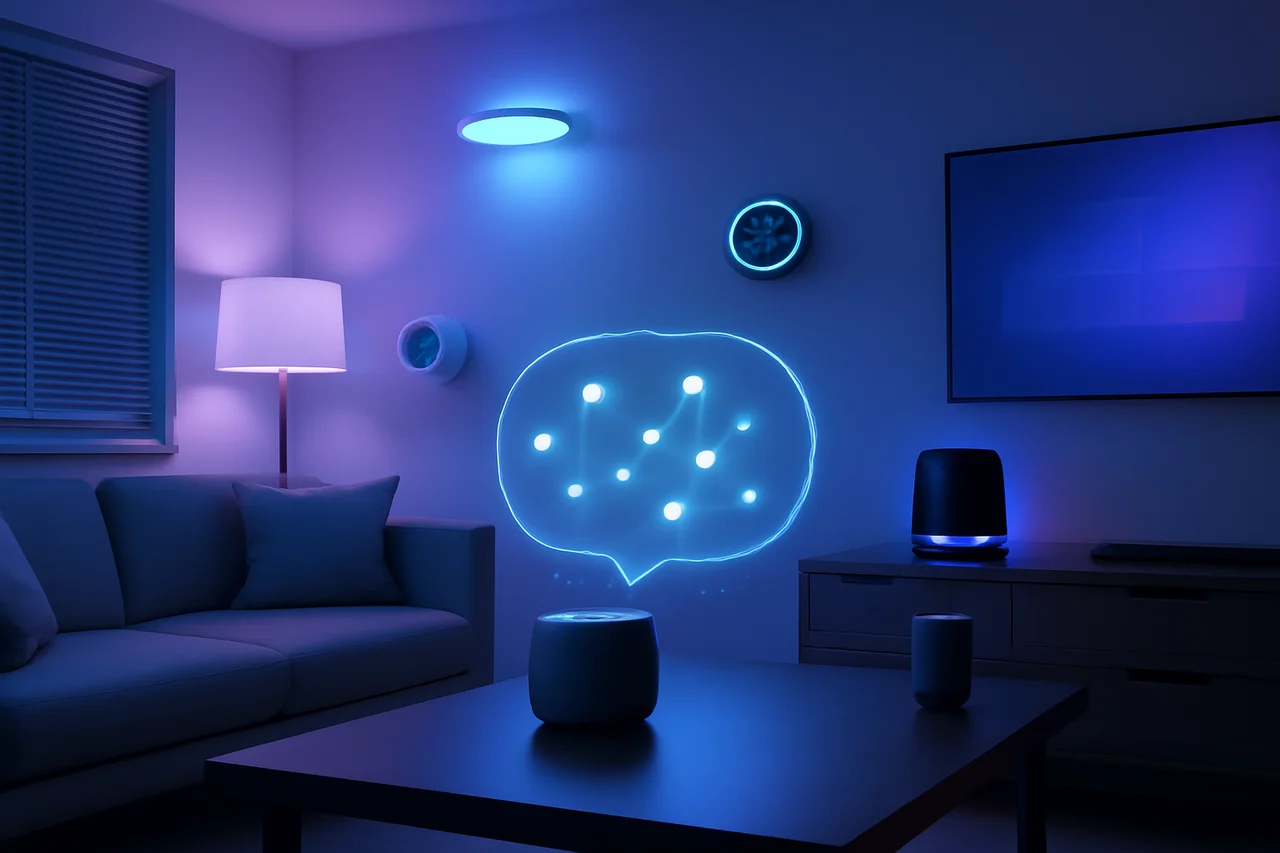
In a significant advancement for smart home technology, Google has unveiled early access to a new MCP server designed for Google Home. This development enables AI agents, including popular models like Claude and ChatGPT, to manage a variety of connected devices within the home. By leveraging natural language processing, users can now interact with their smart home systems in a more intuitive manner.
Revolutionizing Smart Home Interaction
The integration of AI agents into Google Home represents a paradigm shift in how users engage with their smart devices. Traditionally, controlling smart home devices often required specific commands or navigating through various apps. Users would have to memorize specific phrases or commands to operate devices like lights, thermostats, or security cameras. With the new MCP server, users can communicate with their devices using everyday language, making the experience more seamless and user-friendly.
This shift not only enhances user experience but also democratizes technology, allowing individuals who may not be tech-savvy to take advantage of smart home functionalities. The ability to speak naturally to devices reduces the intimidation factor often associated with adopting new technologies, paving the way for broader adoption among diverse demographics.
Capabilities of the New MCP Server
The MCP server allows for a range of functionalities that enhance the smart home experience. Users can now:
- Control connected devices through natural language commands.
- Review camera summaries to stay updated on home security.
- Monitor smart home activities effortlessly.
This capability not only simplifies tasks but also makes smart home technology more accessible to a broader audience. For instance, a user can simply say, "Show me the living room camera" or "Adjust the thermostat to 72 degrees," eliminating the need for complex interactions. This ease of use is particularly beneficial for elderly users or those with disabilities, who may struggle with traditional interfaces.
AI Agents: Claude and ChatGPT
The introduction of AI agents like Claude and ChatGPT into the Google Home ecosystem is particularly noteworthy. These AI models are designed to understand and respond to human language, allowing for more natural interactions. As users become more accustomed to using conversational language, the potential for AI agents to enhance home automation grows exponentially.
Moreover, the incorporation of these advanced AI models means that users can expect more contextual and relevant responses. For example, if a user asks, "What’s the weather like today?" the AI can provide not only the current temperature but also suggest adjusting the thermostat based on the forecast. This level of integration signifies a move towards a more intelligent and responsive home environment.
The Role of Natural Language Processing
Natural language processing (NLP) is at the heart of this innovation. By enabling devices to understand and interpret user queries, NLP transforms the way people interact with technology. Google’s advancements in this area allow for a more fluid exchange between users and their smart home systems, reducing the learning curve typically associated with new technology.
NLP not only enhances comprehension but also allows for the recognition of context and intent. This means that the system can differentiate between commands based on the user's tone or previous interactions. For instance, if a user frequently asks to turn on the lights at a specific time, the AI can learn this preference and automate the action without needing explicit commands each time.
Future Implications for Smart Homes
This integration of AI agents into Google Home is just the beginning. As technology continues to evolve, we can expect even more sophisticated interactions between users and their smart devices. The ability to control home environments through conversational AI not only enhances convenience but also opens up new possibilities for automation and personalization.
For instance, future iterations of the MCP server could incorporate predictive analytics, allowing the system to anticipate user needs based on historical data. Imagine a smart home that not only responds to commands but also proactively adjusts settings based on user habits, such as dimming lights when a user sits down to watch a movie or adjusting the heating when it detects that no one is home.
Furthermore, as AI continues to advance, we may see the integration of emotional intelligence into these systems, enabling them to respond to users' emotional states and adjust the home environment accordingly. This could lead to a more empathetic interaction between humans and machines, further enhancing the user experience.
Conclusion
Google's early access to the MCP server marks a pivotal moment in the evolution of smart home technology. By allowing AI agents to take control, the company is setting the stage for a more intuitive and user-friendly experience. As natural language processing continues to improve, the future of smart home interactions looks promising, making technology more accessible and efficient for everyone. The implications of this advancement extend beyond mere convenience; it heralds a new era where smart homes become responsive partners in our daily lives, enhancing comfort, security, and overall quality of life.
Key Highlights
- Google has launched early access to a new MCP server for Google Home.
- AI agents like Claude and ChatGPT can now control connected devices.
- Users can interact with smart home systems using natural language.
- The new capabilities include reviewing camera summaries and monitoring activities.
- Natural language processing enhances user interaction with smart devices.
- This development simplifies the control of smart home technology.
- The integration signifies a shift towards more intuitive home automation.
Expert Analysis
Technical Analysis
The technology involved in this advancement is primarily centered around the MCP server and natural language processing (NLP). The MCP server serves as a platform that enables AI agents, such as Claude and ChatGPT, to interact with various smart home devices. By utilizing NLP, the system allows users to communicate with their smart devices using everyday language rather than specific commands, which significantly enhances user interaction. This technology addresses the common problem of complexity in controlling smart home devices, making it more accessible for users who may not be tech-savvy.
What sets this integration apart is its ability to understand context and user intent, allowing for more fluid and natural interactions. The AI agents can learn user preferences over time, automating tasks based on historical data. While this represents a significant improvement in user experience, limitations may arise in terms of the accuracy of NLP interpretations and the potential for miscommunication if the system misinterprets user commands. Additionally, the reliance on AI agents may raise concerns about the robustness of the system in handling unexpected queries or commands.
Advantages
- Enables control of smart devices through natural language commands, simplifying user interactions.
- Reduces the intimidation factor for non-tech-savvy individuals, promoting broader adoption of smart home technology.
- Enhances accessibility for elderly users or those with disabilities who may struggle with traditional interfaces.
- Allows for contextual and relevant responses from AI agents, improving the overall user experience.
Disadvantages
- No major disadvantages reported yet.
Real-World Use Cases
- Elderly users can easily control lights and thermostats with simple voice commands.
- Homeowners can monitor security cameras by asking for specific camera feeds.
- Users can automate routine tasks, such as adjusting the thermostat based on weather forecasts.
- Families can set up personalized commands for different household members, enhancing convenience.
Business Impact
The integration of AI agents into Google Home is likely to reshape the smart home market by making technology more user-friendly and accessible. This could lead to increased sales of smart home devices as more consumers feel comfortable adopting them. Competitors may need to enhance their offerings to keep pace with Google's advancements, potentially leading to a more competitive landscape in the smart home industry and opening new revenue opportunities for businesses that can capitalize on these innovations.
User Impact
Ordinary users stand to benefit significantly from this advancement as it simplifies the interaction with smart home devices. Those who may have previously been hesitant to adopt smart home technology due to complexity can now engage with it more easily. However, users who prefer traditional interfaces or are wary of AI may not find this transition appealing. Overall, the integration of natural language processing into smart home systems is a step forward that many users should consider adopting for improved convenience and efficiency.
Security & Privacy
Security and privacy analysis not applicable.
Future Outlook
In the near term, we can expect further enhancements in NLP capabilities, leading to even more sophisticated interactions between users and their smart home devices. Future developments may include predictive analytics that anticipate user needs, as well as the integration of emotional intelligence into AI agents, allowing them to respond to users' emotional states. This could result in a more empathetic and personalized smart home experience, further solidifying the role of AI in everyday life.
Expert Summary
The announcement of Google's MCP server integration with AI agents marks a significant milestone in the evolution of smart home technology. Stakeholders in the tech industry, particularly those focused on home automation, should pay close attention to these developments as they could influence market dynamics and user expectations. Overall, this advancement represents a promising shift towards more intuitive and accessible smart home interactions, making it a noteworthy development in the technology landscape.
Originally reported by TechCrunch.



