
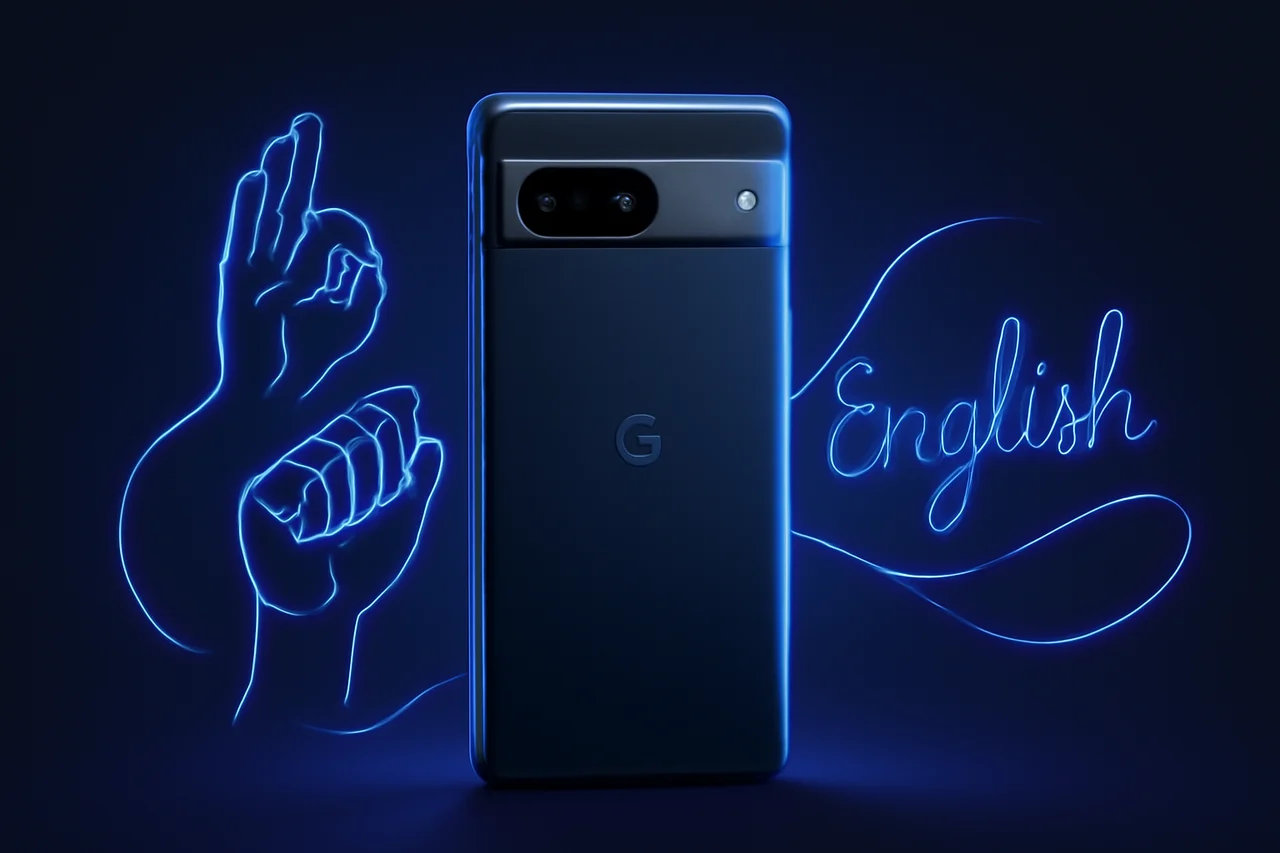
The launch of the Pixel 11 marks a notable step forward in accessibility technology, particularly for those who communicate using American Sign Language (ASL). Google has integrated a real-time sign language translation feature that converts ASL into English text, enhancing communication for users who are deaf or hard of hearing. This innovative feature was recently demonstrated in a hands-on session, showcasing its practical applications in everyday life.
Sign Language Translation in Action
A recent demo outside the official launch event highlighted the effectiveness of the Pixel 11's sign-to-text translation capability. As a user signed in front of the device, the phone's front camera accurately captured the gestures and translated them into written English in real time. The translated phrases appeared seamlessly in Gboard, Google's virtual keyboard, demonstrating the feature's responsiveness and accuracy. This real-time translation not only facilitates smoother conversations but also empowers users to communicate without the need for an intermediary, thus promoting independence and self-expression.
Enhancing Accessibility with Technology
Google's commitment to accessibility through technology is evident in the Pixel 11's new feature. By providing a tool that translates ASL into text, the company aims to bridge communication gaps for individuals who rely on sign language. This initiative aligns with broader efforts to make technology more inclusive, ensuring that everyone can benefit from advancements in smartphone capabilities. The integration of this feature into a widely used device like the Pixel 11 represents a significant step toward normalizing the use of sign language in everyday interactions, thereby fostering a more inclusive society.
The Role of Software in Pixel Devices
While Google's Pixel phones have historically faced criticism for their hardware limitations, they have consistently excelled in software innovation. The introduction of the sign language translation feature exemplifies how software can enhance user experience significantly. By focusing on software capabilities, Google has carved out a niche for the Pixel line, appealing to users who prioritize functionality and unique features over raw hardware power. This strategic emphasis on software not only differentiates the Pixel brand in a competitive market but also showcases Google's commitment to pushing the boundaries of what smartphones can do.
Future Prospects for Sign Language Translation
Looking ahead, Google plans to extend the sign-to-text translation feature to additional Pixel models. This expansion could further enhance accessibility for a larger audience, allowing more users to benefit from this technology. The anticipation surrounding this feature reflects a growing recognition of the importance of inclusivity in tech development. As more devices adopt similar functionalities, we may witness a shift in how communication technologies are designed, prioritizing accessibility as a fundamental aspect rather than an afterthought.
Community Reactions and Implications
The response to the Pixel 11's sign language translation feature has been overwhelmingly positive. Users and advocates for the deaf and hard of hearing communities have expressed excitement about the potential for improved communication. This feature not only empowers individuals but also fosters greater understanding and connection between those who use ASL and those who do not. The implications of this technology extend beyond mere convenience; they touch upon the social fabric of communication, encouraging inclusivity and mutual respect among diverse communities.
Conclusion: A Meaningful Leap Forward
The Pixel 11's introduction of real-time ASL translation is a meaningful advancement in the realm of accessibility technology. By leveraging its software capabilities, Google is not only enhancing the functionality of its devices but also making a significant impact on communication for users who rely on sign language. As this feature becomes available on more devices, it holds the promise of a more inclusive future in technology. The Pixel 11 stands as a testament to the potential of technology to transform lives, making communication more accessible and fostering connections that transcend barriers.
Key Highlights
- The Pixel 11 features real-time translation of American Sign Language into English text.
- A hands-on demo showcased the effectiveness of the ASL translation feature.
- The feature translates signed phrases directly into Gboard for seamless communication.
- Google aims to enhance accessibility for users who are deaf or hard of hearing.
- Historically, Pixel phones have excelled in software innovation despite hardware limitations.
- The sign-to-text translation feature is expected to be available on more Pixel models in the future.
- Community reactions have been positive, highlighting the importance of inclusivity in technology.
- Google's commitment to accessibility is evident in its latest software capabilities.
Expert Analysis
Technical Analysis
The Pixel 11 incorporates a real-time sign language translation feature that utilizes advanced computer vision and machine learning algorithms to interpret American Sign Language (ASL) gestures and convert them into English text. This technology relies on the device's front camera to capture the user's signs, which are then processed by software integrated into Gboard, Google's virtual keyboard. The translation occurs in real time, allowing for seamless communication between ASL users and those who do not understand sign language. This feature addresses a significant communication barrier for individuals who are deaf or hard of hearing, promoting independence and self-expression by eliminating the need for intermediaries in conversations.
What distinguishes this technology is its focus on software innovation rather than hardware enhancements, which has historically been a criticism of Google's Pixel line. By prioritizing functionality and unique features, Google has created a niche that appeals to users seeking advanced capabilities in their smartphones. However, while the software-driven approach enhances user experience, it may still be limited by the hardware capabilities of the device, which could affect the overall performance of the translation feature in various lighting conditions or environments.
Advantages
- Enhances communication for users who are deaf or hard of hearing by translating ASL into English text.
- Promotes independence and self-expression by allowing users to communicate without intermediaries.
- Integrates seamlessly with Gboard, providing a user-friendly experience.
- Demonstrates Google's commitment to accessibility and inclusivity in technology.
Disadvantages
- No major disadvantages reported yet.
Real-World Use Cases
- Individuals who are deaf or hard of hearing can use the feature to communicate more effectively in social settings.
- Businesses can implement the technology to improve customer service interactions with deaf clients.
- Educators can utilize the feature in classrooms to facilitate communication with students who use ASL.
- Healthcare providers can enhance patient interactions by using the translation feature during consultations.
Business Impact
The introduction of the Pixel 11 with real-time ASL translation could significantly impact the smartphone market by setting a new standard for accessibility features. Competitors may feel pressure to integrate similar functionalities into their devices to remain relevant, potentially leading to a broader industry shift towards inclusive technology. This innovation opens up new revenue opportunities for Google, as it positions the Pixel brand as a leader in accessibility, attracting a demographic that values inclusivity in technology.
User Impact
The Pixel 11's real-time ASL translation feature primarily benefits users who are deaf or hard of hearing, providing them with a powerful tool for communication. Ordinary users may also find value in the feature, as it fosters greater understanding and connection with ASL users. Overall, the adoption of this technology is worth considering for individuals and organizations committed to inclusivity and improved communication.
Security & Privacy
Security and privacy analysis not applicable.
Future Outlook
Looking ahead, Google plans to extend the sign-to-text translation feature to additional Pixel models, which could broaden its accessibility and impact. As more devices adopt similar functionalities, there is potential for a paradigm shift in how communication technologies are designed, with a greater emphasis on accessibility as a core feature rather than an afterthought. This trend may lead to increased collaboration between tech companies and advocacy groups to ensure that advancements in technology are inclusive and beneficial for all users.
Expert Summary
The launch of the Pixel 11 with its real-time ASL translation feature represents a significant advancement in accessibility technology. Stakeholders in the tech industry, particularly those focused on inclusivity, should pay attention to this development as it may influence future product designs and market strategies. Overall, this innovation not only enhances communication for users who rely on sign language but also sets a precedent for the integration of accessibility features in mainstream technology.
Originally reported by Android Authority.



