
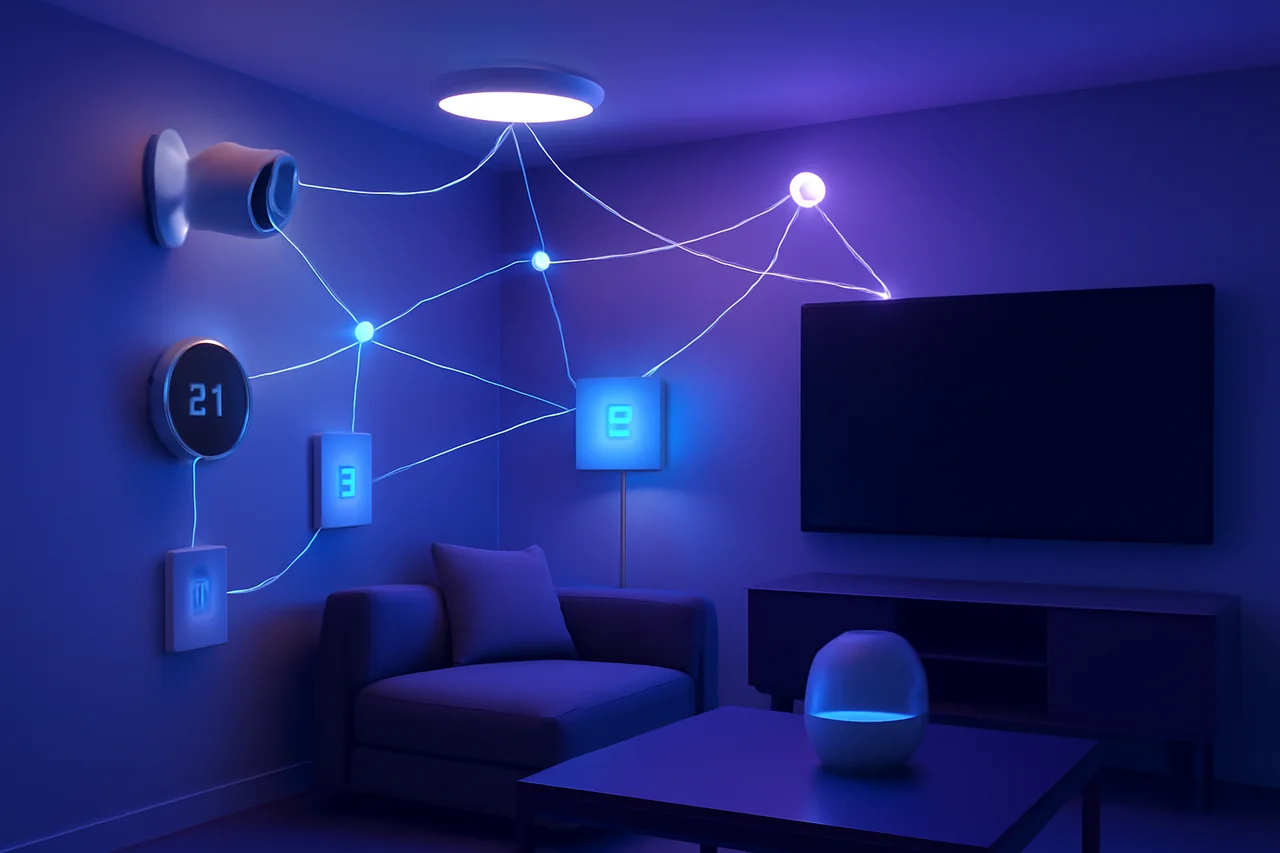
In a significant move towards enhancing smart home technology, Google has announced that it will allow third-party AI agents to integrate with its Google Home ecosystem. This development is set to broaden the capabilities of smart home management, enabling users to leverage various AI tools to control their connected devices more effectively. As smart home technology continues to evolve, this integration represents a pivotal moment for both consumers and developers in the realm of home automation.
Introduction of Model Context Protocol
The integration is facilitated by the newly introduced Model Context Protocol (MCP), which serves as a standardized interface for AI agents. This protocol allows compatible AI tools, including Claude, Open Claw, and others, to interact with Google Home devices seamlessly. By adopting MCP, Google aims to create a more inclusive environment for AI technology within its smart home framework. The introduction of this protocol is not just a technical enhancement; it is a strategic move to unify the diverse landscape of AI applications, ensuring that they can work together harmoniously within the Google Home ecosystem.
Empowering Third-Party AI Agents
With this update, third-party AI agents can not only control and monitor smart home devices but also analyze data within the Google Home ecosystem. Taylor Lehman, a product manager at Google Home & Nest, highlighted the security features of this integration, stating that it allows any AI agents that support MCP to securely interact with all devices and access event history. This means users can enjoy a more cohesive smart home experience, tapping into the strengths of various AI technologies. The ability for AI agents to analyze historical data will enable them to provide more personalized and context-aware interactions, ultimately enhancing user satisfaction.
Benefits for Users
The integration of third-party AI agents into Google Home is expected to enhance user convenience significantly. Homeowners can now choose from a range of AI tools that best suit their needs. Whether it’s automating tasks, improving energy efficiency, or providing personalized recommendations, the flexibility offered by this integration is a game-changer. Users can expect a more responsive and intelligent home environment as these AI agents learn from their interactions. For instance, an AI agent could analyze energy usage patterns and suggest optimal settings for heating and cooling, thereby saving on utility bills while maintaining comfort.
Security and Privacy Considerations
One of the primary concerns with integrating third-party AI agents is security and privacy. Google has assured users that the Model Context Protocol incorporates robust security measures to protect user data. By allowing secure access to devices and event histories, Google aims to build trust among users while enabling innovative functionalities. This careful balance between accessibility and security will be crucial for the success of this initiative. Users can rest assured that their personal information will be safeguarded, even as they enjoy the enhanced capabilities offered by third-party AI tools.
Future of Smart Home Technology
As Google opens its smart home platform to third-party AI agents, it sets a precedent for the future of smart home technology. The collaboration between different AI tools and Google Home could pave the way for even more advanced features and integrations. This move signifies a shift towards a more interconnected smart home ecosystem, where users can benefit from the best offerings of various AI technologies. The potential for cross-platform compatibility could lead to an explosion of innovative applications, as developers are encouraged to create solutions that leverage the strengths of multiple AI agents working in concert.
Conclusion
Google's decision to allow third-party AI agents into its Google Home ecosystem through the Model Context Protocol marks a significant step forward in smart home integration. By enabling secure interactions and broadening the range of AI tools available to users, Google is enhancing the overall smart home experience. As this technology continues to evolve, it will be fascinating to see how these integrations transform the way we interact with our homes. The implications of this development extend beyond mere convenience; they represent a fundamental shift in how technology can harmonize with our daily lives, making our homes smarter, safer, and more efficient.
Key Highlights
- Google is allowing third-party AI agents to integrate with Google Home.
- The integration is facilitated by the new Model Context Protocol (MCP).
- Compatible AI tools include Claude, Open Claw, and Google Antigravity.
- Users can control and monitor their smart home devices through these AI agents.
- Taylor Lehman emphasized the security of interactions with devices and event history.
- The integration is expected to enhance user convenience and home automation.
- Google aims to create a more interconnected smart home ecosystem with this initiative.
Expert Analysis
Technical Analysis
The integration of third-party AI agents into the Google Home ecosystem is facilitated by the Model Context Protocol (MCP), a standardized interface that allows various AI tools to interact seamlessly with Google Home devices. This protocol not only streamlines communication between devices but also enables AI agents to access and analyze historical data within the ecosystem. By adopting MCP, Google aims to create a unified environment for AI applications, enhancing the overall smart home experience. This integration allows for more personalized interactions, as AI agents can learn from user behavior and optimize device performance accordingly.
While the introduction of MCP represents a significant technical improvement, it also raises questions about the limitations and challenges of integrating multiple AI agents. The reliance on a standardized protocol may limit the diversity of AI functionalities that can be offered, as not all AI agents may be compatible with MCP. Additionally, while Google emphasizes security measures to protect user data, the integration of third-party agents inherently introduces risks related to data privacy and potential vulnerabilities. Users must weigh the benefits of enhanced functionality against these security concerns.
Advantages
- Enhanced user convenience through a variety of AI tools.
- Improved energy efficiency and cost savings via optimized settings.
- Personalized recommendations based on historical data analysis.
- A more responsive and intelligent home environment.
Disadvantages
- Potential risks related to data privacy and security with third-party integrations.
- Compatibility limitations may restrict the functionalities of some AI agents.
Real-World Use Cases
- Homeowners can use AI agents to automate daily tasks, such as adjusting lighting or temperature based on preferences.
- AI agents can analyze energy usage patterns to suggest cost-saving measures for heating and cooling.
- Developers can create applications that leverage multiple AI agents for enhanced smart home functionalities.
Business Impact
Google's decision to open its smart home ecosystem to third-party AI agents is likely to create new revenue opportunities for developers and businesses in the smart home market. By fostering an environment where various AI tools can coexist and collaborate, Google positions itself as a leader in the evolving landscape of home automation. This move may also prompt competitors to enhance their own smart home offerings to keep pace with Google's innovations.
User Impact
Ordinary users stand to benefit significantly from this integration, as it allows them to choose AI tools that best fit their individual needs and preferences. However, users must also be aware of the potential privacy risks associated with third-party AI agents. Overall, the enhanced capabilities and personalized experiences offered by these integrations make it a worthwhile consideration for those looking to upgrade their smart home systems.
Security & Privacy
Google has implemented robust security measures within the Model Context Protocol to protect user data, allowing secure interactions with devices and access to event histories. However, the introduction of third-party AI agents does raise concerns about data privacy and potential vulnerabilities, which users should consider when adopting these technologies.
Future Outlook
As Google continues to expand its smart home platform, we can expect further developments in the integration of AI technologies. The potential for cross-platform compatibility may lead to innovative applications that enhance user experiences. Additionally, as more developers create solutions leveraging multiple AI agents, the smart home ecosystem could become increasingly sophisticated and interconnected.
Expert Summary
Google's integration of third-party AI agents into its Home ecosystem through the Model Context Protocol is a significant advancement in smart home technology. This initiative not only enhances user convenience but also sets a new standard for interoperability among AI tools. Stakeholders in the smart home industry, including developers and consumers, should pay close attention to these developments, as they could reshape the future of home automation.
Originally reported by The Verge.



