
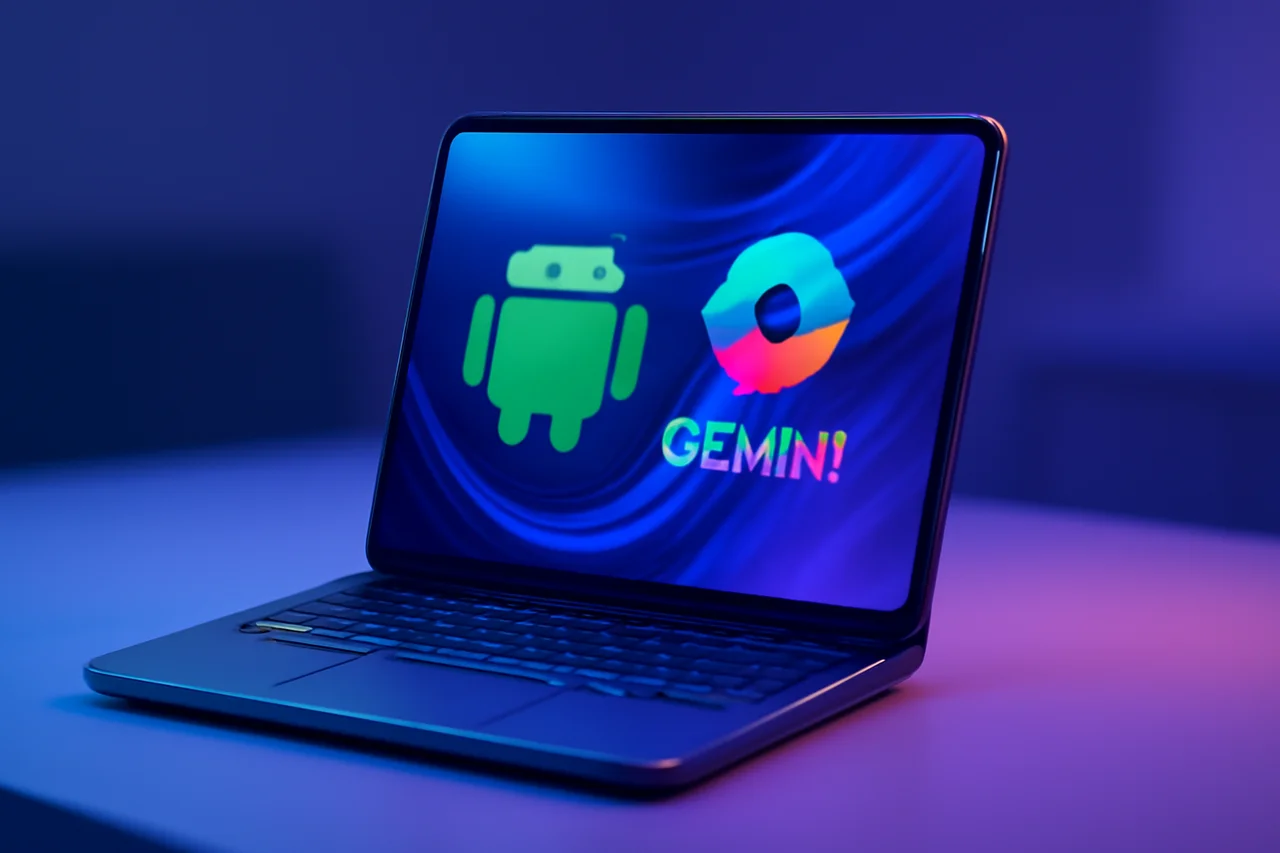
In a significant move to expand its hardware ecosystem, Google is set to launch pre-orders for its new line of Android-based laptops, branded as Googlebook, on September 21. This initiative highlights Google's commitment to integrating its software and hardware offerings, particularly through the introduction of the innovative Gemini Intelligence operating system. By venturing into the laptop market, Google aims to enhance its presence in the consumer electronics space, competing with established brands while leveraging its strengths in software development.
Introducing the Googlebook Laptops
The Googlebook laptops are designed to provide users with a seamless experience, leveraging the capabilities of the Android operating system. By focusing on a familiar interface, Google aims to attract both existing Android users and those looking for a robust laptop solution. The devices are expected to cater to a wide range of users, from students to professionals, enhancing productivity and entertainment options. This strategic move aligns with Google's broader vision of creating a unified ecosystem where hardware and software work in harmony, making technology more accessible and user-friendly.
Gemini Intelligence: The Core of Googlebook
At the heart of the Googlebook laptops lies the Gemini Intelligence operating system. This new OS promises to deliver powerful performance, optimizing the functionality of the laptops. Gemini Intelligence is designed to enhance user experience through features that integrate artificial intelligence, making tasks more intuitive and efficient. With AI capabilities, the operating system can learn user preferences, suggest actions, and automate repetitive tasks, thus streamlining workflows for both casual users and professionals alike. This focus on intelligence and automation could redefine how users interact with their devices, setting a new standard in the laptop market.
Features and Specifications
While specific details regarding the features and specifications of the Googlebook laptops are yet to be fully disclosed, expectations are high for hardware that complements the advanced capabilities of Gemini Intelligence. Potential features may include:
- High-resolution displays for immersive viewing experiences, ideal for streaming, gaming, and productivity tasks.
- Long battery life to support all-day usage, catering to users who need reliability on the go.
- Robust connectivity options, including Wi-Fi 6 and Bluetooth 5.0, ensuring fast and stable connections for online activities and peripheral devices.
- Lightweight designs for portability, making it easy for users to carry their devices wherever they go.
These features are not only appealing but also essential in today’s fast-paced digital environment, where users demand performance and convenience.
Target Audience and Market Position
Google's entry into the laptop market with the Googlebook is a strategic move to compete with established players in the industry. By targeting tech-savvy consumers and educational institutions, Google aims to carve out a niche for itself in the competitive laptop landscape. The integration of Android and Gemini Intelligence could provide a unique selling proposition that differentiates the Googlebook from other devices. Moreover, with the growing trend of remote work and online learning, the demand for versatile and efficient laptops is on the rise. Google is positioning itself to meet this demand by offering a product that combines the familiarity of Android with the advanced capabilities of Gemini Intelligence.
What to Expect from Pre-orders
Starting September 21, interested buyers will have the opportunity to pre-order the Googlebook laptops. This early access will likely generate excitement among consumers eager to experience the latest in Google’s hardware innovations. Pre-ordering may also come with exclusive offers or bundles, enticing early adopters to secure their devices ahead of the official launch. Such marketing strategies are crucial in building momentum and ensuring a successful rollout, as they not only create buzz but also help gauge consumer interest in the new product line.
Conclusion: A New Chapter for Google Hardware
The launch of the Googlebook laptops marks a pivotal moment in Google's hardware strategy. With the backing of the Gemini Intelligence operating system, these devices are positioned to offer a unique blend of performance and user-friendly features. As pre-orders approach, all eyes will be on how Google plans to redefine the laptop experience in an increasingly competitive market. The success of the Googlebook will likely depend on its ability to meet consumer expectations and deliver on the promise of innovation that Google is known for. As the tech landscape continues to evolve, the introduction of the Googlebook could signify a new era for Google's hardware ambitions, potentially influencing future product developments and market strategies.
Key Highlights
- Googlebook laptops will be available for pre-order starting September 21.
- The laptops are powered by the new Gemini Intelligence operating system.
- Google aims to attract both students and professionals with these devices.
- Expect high-resolution displays and long battery life in the Googlebook.
- The laptops will integrate features that enhance productivity and entertainment.
- Google's move into the laptop market aims to compete with established brands.
- Pre-orders may include exclusive offers for early adopters.
Expert Analysis
Technical Analysis
The Googlebook laptops utilize the Android operating system, enhanced by the new Gemini Intelligence OS, which integrates artificial intelligence to optimize user experience. This technology allows the laptops to learn user preferences, automate tasks, and suggest actions, thereby streamlining workflows for both casual and professional users. The focus on AI capabilities sets the Googlebook apart from traditional laptops, as it aims to redefine user interaction with devices through intuitive features and enhanced performance.
However, while the Gemini Intelligence OS promises powerful performance and a seamless user experience, the specifics of the hardware specifications remain undisclosed. This lack of detail raises questions about the actual capabilities of the devices, including their processing power, storage options, and overall performance metrics. Additionally, the success of the Googlebook will depend on how well it integrates with existing Android applications and services, which could be a potential limitation if compatibility issues arise.
Advantages
- Seamless integration of hardware and software, enhancing user experience.
- AI-driven features that automate tasks and improve efficiency.
- Familiar Android interface appealing to existing users.
- Targeted towards a wide audience, including students and professionals.
Disadvantages
- No major disadvantages reported yet.
Real-World Use Cases
- Students can use Googlebook laptops for online learning and research, benefiting from the familiar Android interface.
- Professionals may leverage the AI capabilities for task automation and productivity enhancements.
- Casual users can enjoy entertainment options like streaming and gaming with high-resolution displays.
- Educational institutions can adopt Googlebook laptops for their tech-savvy student base.
Business Impact
Google's entry into the laptop market with the Googlebook is poised to disrupt the competitive landscape, as it combines the strengths of its software ecosystem with new hardware offerings. This move could challenge established brands and create new revenue opportunities for Google, particularly in the education sector where demand for versatile laptops is increasing. By leveraging its existing user base and brand recognition, Google aims to carve out a significant niche in the consumer electronics market.
The introduction of the Googlebook also signals a shift in industry dynamics, as companies increasingly integrate AI into their products. Competitors may need to enhance their offerings to keep pace with Google's innovative approach, potentially leading to a wave of advancements across the laptop market.
User Impact
Ordinary users stand to benefit significantly from the Googlebook laptops, especially those already familiar with the Android ecosystem. The integration of AI features could simplify everyday tasks, making technology more accessible and user-friendly. However, users who are accustomed to traditional operating systems may face a learning curve when adapting to the new Gemini Intelligence OS. Overall, the Googlebook presents a compelling option for those seeking a modern laptop experience, particularly in the context of remote work and online education.
Security & Privacy
Security and privacy analysis not applicable.
Future Outlook
As the Googlebook laptops launch and pre-orders begin, expectations are high for how these devices will perform in the market. Future developments may include enhancements to the Gemini Intelligence OS based on user feedback, as well as potential collaborations with app developers to optimize software compatibility. The success of the Googlebook could pave the way for further innovations in Google's hardware strategy, potentially leading to a broader range of devices that leverage AI and integrated software solutions.
Expert Summary
The launch of the Googlebook laptops represents a significant step in Google's hardware evolution, merging advanced AI capabilities with a familiar user interface. Stakeholders in the tech industry, including competitors and consumers, should closely monitor this development as it could reshape expectations for laptop performance and user interaction. Overall, the Googlebook has the potential to influence future product strategies and set new standards in the laptop market.
Originally reported by Engadget - Technology News & Expert Reviews.



