
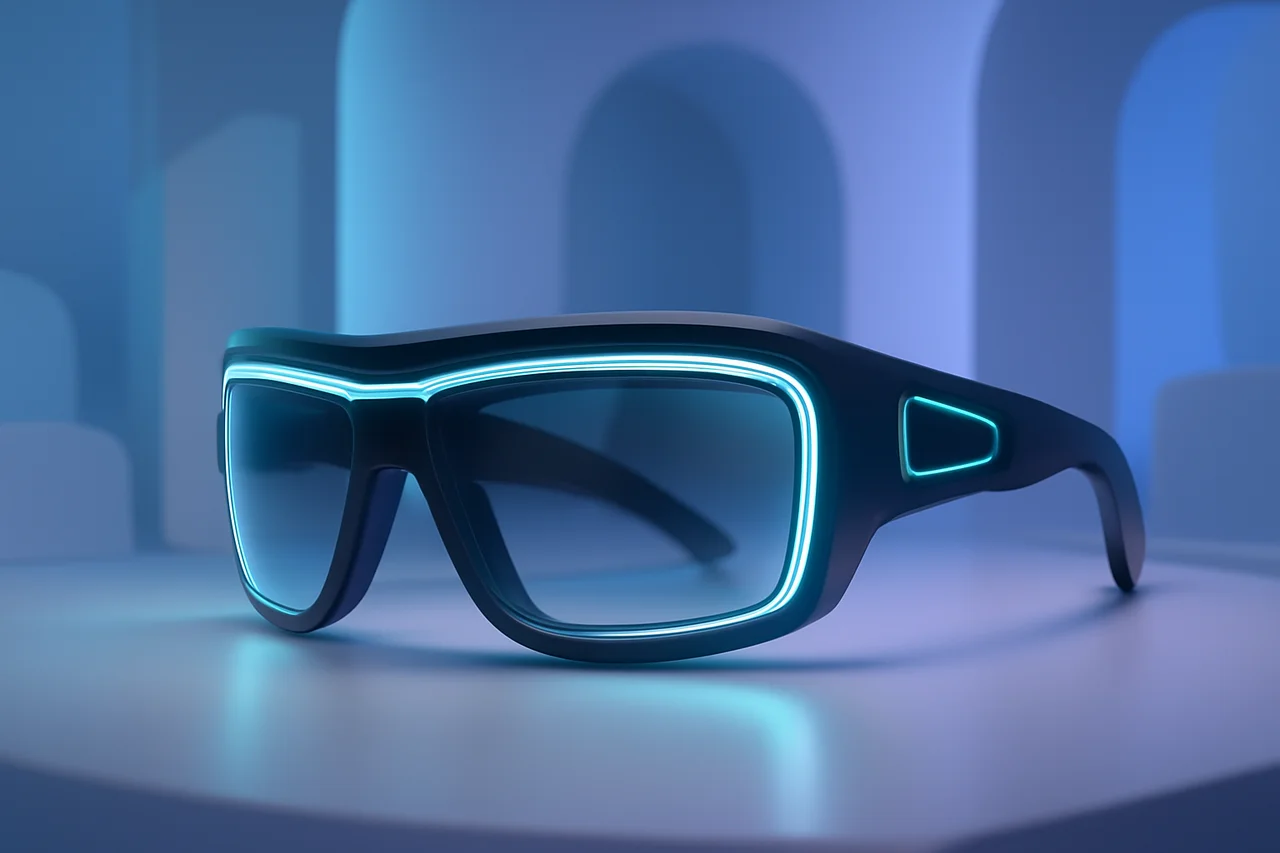
The landscape of wearable technology continues to evolve, with companies like HTC entering the fray with their latest offering, the Vive Eagle smart glasses. Marketed as a competitor to Meta's popular devices, the Vive Eagle presents itself as a credible alternative. However, a closer examination reveals that despite its potential, these smart glasses may not live up to consumer expectations, particularly when weighed against their steep price tag.
HTC's Ambitious Entry into Smart Glasses
HTC has long been known for its innovative approach to technology, and the Vive Eagle is no exception. Positioned as a premium product, these smart glasses aim to carve out a niche in the competitive arena of augmented and virtual reality. With a legacy of pioneering technologies, HTC seeks to leverage its expertise in VR to create a product that appeals to both tech enthusiasts and casual users alike. While they boast advanced features that could attract tech enthusiasts, the question remains: do they offer enough value to justify their cost?
Design and Build Quality
One of the first aspects that stand out about the Vive Eagle is its design. The glasses feature a sleek and modern aesthetic, which is a significant plus for users looking for style alongside functionality. The lightweight design is intended for comfort during extended use, making it suitable for various applications, from gaming to professional settings. However, the build quality has received mixed reviews. While some users appreciate the lightweight feel, others have noted that the materials used may not withstand the rigors of everyday use. Concerns about durability could deter potential buyers who prioritize longevity in their tech investments.
Performance and Features
In terms of performance, the Vive Eagle smart glasses deliver a decent experience, particularly for augmented reality applications. Users can expect clear visuals and responsive interactions, which are essential for any wearable technology. The device is equipped with features that allow for immersive experiences, such as spatial audio and intuitive gesture controls. Nevertheless, critics argue that the feature set does not significantly differentiate the Vive Eagle from existing products in the market, particularly those offered by Meta. This lack of unique selling points raises concerns about the overall value of the device. In a market where innovation is key, the Vive Eagle must offer more than just a rehash of existing technologies.
Price Point Concerns
One of the most significant drawbacks of the Vive Eagle is its price. Marketed as a premium product, the cost is a considerable barrier for many potential buyers. As noted in reviews, HTC's pricing strategy may alienate consumers who are looking for more affordable options without sacrificing quality. This high price raises an important question: what exactly are consumers getting in return for their investment? In a landscape where budget-friendly alternatives are increasingly available, HTC must justify the Vive Eagle's premium price through exceptional performance and unique features. Without this justification, the device risks being overlooked in favor of more accessible options.
Market Positioning and Competition
HTC's Vive Eagle is undoubtedly a credible alternative to Meta's offerings, but it faces fierce competition in the smart glasses market. With established players already dominating the space, HTC needs to provide compelling reasons for consumers to choose the Vive Eagle over other options. Competitors are not only refining their technology but also enhancing their marketing strategies and customer engagement. The current landscape suggests that while the product has potential, it may struggle to gain traction without significant improvements or a more attractive price point. HTC’s challenge lies in differentiating the Vive Eagle in a crowded market where consumers are increasingly discerning.
Conclusion: A Missed Opportunity?
In conclusion, the HTC Vive Eagle smart glasses present an interesting proposition in the realm of wearable technology. However, despite their credibility as an alternative to Meta, they fall short in delivering a compelling reason for consumers to invest in them. The combination of a high price and a lack of standout features leaves many questioning whether the Vive Eagle is worth the investment. As the market for smart glasses continues to develop, HTC may need to reassess its approach to ensure its products resonate with tech-savvy consumers. The potential for innovation remains, but it will require a strategic focus on consumer needs and market trends to transform the Vive Eagle from a promising concept into a successful product.
Key Highlights
- HTC Vive Eagle smart glasses are positioned as a competitor to Meta's products.
- The design is modern and sleek, appealing to style-conscious users.
- Performance is decent, particularly in augmented reality applications.
- Critics note a lack of unique features compared to competitors.
- The high price point raises concerns about overall value.
- HTC needs to offer compelling reasons for consumers to choose Vive Eagle.
- The product may struggle to gain traction in a competitive market.
Expert Analysis
Technical Analysis
The HTC Vive Eagle smart glasses incorporate augmented reality (AR) and virtual reality (VR) technologies, aiming to provide immersive experiences through advanced features such as spatial audio and gesture controls. These technologies work by overlaying digital information onto the physical world, allowing users to interact with both virtual and real elements seamlessly. The Vive Eagle's design emphasizes comfort and style, making it suitable for a variety of applications, from gaming to professional use. However, the device's performance, while decent, does not significantly differentiate it from competitors, particularly Meta's offerings, which raises questions about its unique value proposition.
Despite HTC's legacy in VR technology, the Vive Eagle faces challenges in justifying its premium price point. The mixed reviews regarding its build quality and durability suggest that while the glasses are lightweight and aesthetically pleasing, they may not withstand everyday use as well as consumers would hope. Furthermore, the lack of standout features compared to existing products in the market indicates that HTC needs to innovate further to capture consumer interest and provide a compelling reason for purchase.
Advantages
- Sleek and modern design appealing to style-conscious users
- Lightweight construction for comfort during extended use
- Decent performance for augmented reality applications
- Features like spatial audio and gesture controls enhance user experience
Disadvantages
- High price point may alienate potential buyers
- Mixed reviews on build quality and durability
- Lack of unique features compared to competitors
Real-World Use Cases
- Gaming experiences that require immersive AR interactions
- Professional applications where augmented reality can enhance productivity
- Casual use for tech enthusiasts looking to explore new wearable technology
Business Impact
The introduction of the HTC Vive Eagle into the smart glasses market presents both opportunities and challenges for HTC. While it positions itself as a credible alternative to Meta's products, the competitive landscape is fierce, with established players continuously refining their technologies and marketing strategies. HTC's ability to differentiate the Vive Eagle will be crucial in capturing market share and driving revenue, particularly as consumer preferences shift towards more affordable and innovative options in wearable technology.
User Impact
Ordinary users who are tech enthusiasts may find the Vive Eagle appealing due to its modern design and immersive features. However, the high price and lack of compelling unique features may deter average consumers who are looking for value in their tech investments. As the market for smart glasses evolves, users should weigh the benefits against the costs before adopting this new technology.
Security & Privacy
Security and privacy analysis not applicable.
Future Outlook
In the near term, HTC may need to reassess its product strategy for the Vive Eagle to better align with consumer expectations and market trends. This could involve enhancing the device's features or adjusting its pricing strategy to make it more competitive. As the smart glasses market continues to grow, HTC has the potential to innovate further, but it will require a focused approach to stand out among its competitors.
Expert Summary
The HTC Vive Eagle smart glasses represent an ambitious entry into the wearable technology market, but their high price and lack of distinctive features may hinder their success. Companies and consumers alike should pay attention to how HTC navigates this competitive landscape and whether it can adapt its offerings to meet evolving consumer needs. Overall, the Vive Eagle's current positioning suggests it may struggle to gain traction without significant improvements.
Originally reported by Engadget - Technology News & Expert Reviews.



