
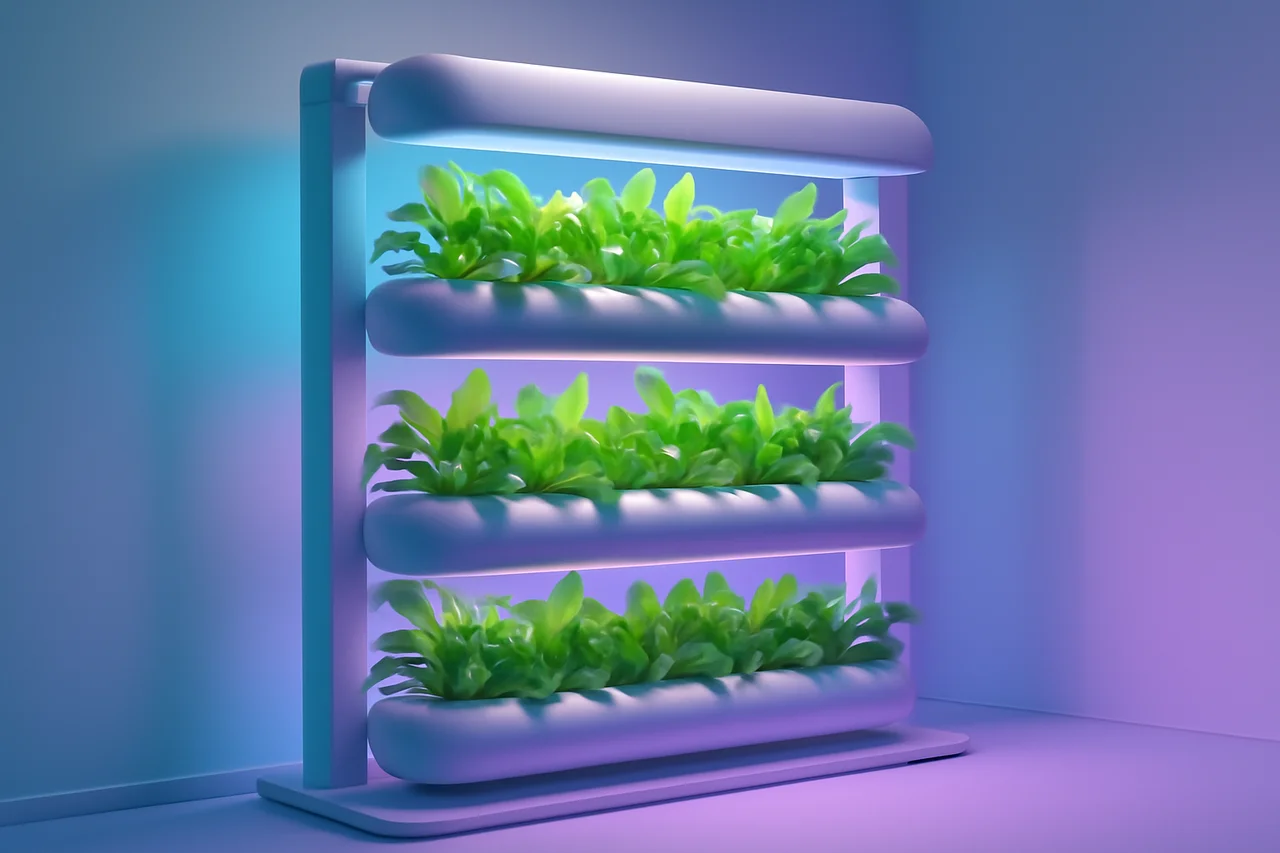
As urban living spaces become more compact, the desire for home gardening solutions is on the rise. Indoor vertical hydroponic garden systems are emerging as a popular choice for those looking to cultivate fresh greens and vegetables within the confines of their homes. This article delves into the advantages of these innovative gardening systems, highlighting their practicality and sustainability while showcasing some of the best options available in 2026.
The Rise of Indoor Gardening
With the increasing focus on sustainability and self-sufficiency, more individuals are turning to indoor gardening. This trend is not just about aesthetics; it’s about providing fresh produce right at home. Urban dwellers, in particular, are seeking ways to incorporate gardening into their lives despite limited space. Vertical hydroponic systems are particularly appealing as they maximize space and allow for efficient growth of a variety of plants, from leafy greens to herbs and even small vegetables. The indoor gardening movement is also fueled by a growing awareness of the environmental impact of food production and distribution, prompting many to take control of their food sources.
What is Hydroponics?
Hydroponics is a method of growing plants without soil, using nutrient-rich water instead. This technique can lead to faster growth rates and higher yields compared to traditional soil gardening. Hydroponics allows for precise control over nutrient delivery, which can result in healthier plants. Vertical hydroponic systems take this a step further by stacking plants in a vertical arrangement, making them ideal for indoor environments where space is limited. This method not only conserves space but also enhances accessibility and visibility of the plants, making it easier for gardeners to monitor growth and health.
Benefits of Vertical Hydroponic Systems
- Space Efficiency: Vertical systems utilize vertical space, allowing for more plants in a smaller footprint. This is particularly beneficial in urban settings where floor space is at a premium.
- Water Conservation: Hydroponics uses less water than traditional gardening, making it an eco-friendly option. The closed-loop system recycles water, reducing waste and promoting sustainability.
- Year-Round Gardening: Indoor systems enable year-round cultivation, regardless of outdoor weather conditions. This allows for continuous harvesting and eliminates seasonal limitations.
- Reduced Pest Issues: Growing indoors can minimize exposure to pests and diseases common in outdoor gardens. This leads to healthier plants and reduces the need for chemical pesticides.
- Fresh Produce at Home: Enjoy the convenience of harvesting fresh greens and vegetables right from your kitchen. This not only enhances the flavor of meals but also promotes healthier eating habits.
Choosing the Right System
When selecting a vertical hydroponic garden system, consider factors such as size, ease of use, and the types of plants you wish to grow. Some systems are designed for beginners, featuring straightforward setups and maintenance, while others offer more advanced options for seasoned gardeners. Look for systems that provide good lighting, efficient water circulation, and easy access for harvesting. Additionally, consider the aesthetic appeal of the system, as it will likely be a focal point in your home. The right system should not only meet your gardening needs but also complement your living space.
Top Indoor Hydroponic Garden Systems in 2026
Several indoor vertical hydroponic systems have gained popularity this year. Here are a few notable options worth considering:
- GardenSpace: This system is known for its sleek design and user-friendly interface, making it perfect for beginners. It includes built-in sensors to monitor plant health and growth conditions.
- GrowUp: With adjustable shelves and integrated lighting, this system is ideal for those looking to grow a variety of plants. Its modular design allows for customization based on available space.
- HydroTower: A compact option that fits easily in small spaces, HydroTower is great for urban dwellers. It’s designed to optimize light exposure for all plants, ensuring even growth.
- EcoGrow: Emphasizing sustainability, this system uses recycled materials and offers energy-efficient lighting. Its eco-friendly approach appeals to environmentally conscious consumers.
Maintenance and Care
While hydroponic systems require less maintenance than traditional gardens, they still need regular attention. It’s important to monitor the nutrient levels in the water, ensure proper lighting, and check for any signs of plant stress. Regular cleaning of the system will also help prevent algae buildup and maintain optimal growing conditions. Additionally, understanding the specific needs of the plants you are growing can enhance their health and productivity. For instance, some plants may require more light or different nutrient ratios, so being attentive to these details can lead to better yields.
Conclusion
Indoor vertical hydroponic garden systems offer a practical and sustainable solution for home gardening enthusiasts. By providing the means to grow fresh produce in small spaces, these systems cater to the needs of modern urban living. Whether you’re a seasoned gardener or a beginner, investing in one of these systems can enhance your home and contribute to a more sustainable lifestyle. As more people embrace the joys of gardening indoors, the future of food production may very well shift towards these innovative solutions, paving the way for a greener and more self-sufficient world.
Key Highlights
- Indoor vertical hydroponic systems allow for efficient home gardening.
- Hydroponics uses nutrient-rich water instead of soil for plant growth.
- These systems conserve water compared to traditional gardening methods.
- Vertical gardening maximizes space, making it ideal for urban dwellers.
- Year-round gardening is possible regardless of outside weather conditions.
- Popular systems include GardenSpace, GrowUp, HydroTower, and EcoGrow.
- Regular maintenance is required to ensure optimal plant health and growth.
Expert Analysis
Technical Analysis
Indoor vertical hydroponic garden systems utilize hydroponics, a method of growing plants without soil by using nutrient-rich water. This technology allows for precise control over nutrient delivery, leading to faster growth rates and higher yields compared to traditional gardening methods. Vertical hydroponic systems stack plants in a vertical arrangement, optimizing space and making them suitable for indoor environments where floor space is limited. This innovative approach not only conserves space but also enhances accessibility, allowing gardeners to easily monitor plant health and growth.
The primary problem these systems solve is the challenge of gardening in compact urban living spaces. By maximizing vertical space, they enable individuals to cultivate a variety of plants, including leafy greens and herbs, right in their homes. Additionally, the closed-loop water system used in hydroponics conserves water, making it an environmentally friendly option. While these systems offer significant advantages in terms of space efficiency and sustainability, they also require regular maintenance and monitoring to ensure optimal growing conditions, which could be a limitation for some users.
Advantages
- Maximizes space efficiency by utilizing vertical arrangements for plant growth.
- Conserves water compared to traditional gardening methods through a closed-loop system.
- Enables year-round gardening, allowing for continuous harvesting regardless of outdoor weather.
- Reduces pest issues by growing plants indoors, leading to healthier plants and less reliance on pesticides.
- Provides fresh produce at home, enhancing meal flavor and promoting healthier eating habits.
Disadvantages
- Requires regular maintenance and monitoring of nutrient levels and lighting.
- Initial setup costs may be a barrier for some potential users.
Real-World Use Cases
- Urban dwellers can use vertical hydroponic systems to grow fresh herbs and vegetables in limited space.
- Restaurants may adopt these systems to provide fresh ingredients directly from their kitchens.
- Educational institutions can implement hydroponic systems for hands-on learning about sustainable agriculture.
- Homeowners can enhance their living spaces with aesthetically pleasing vertical gardens that also serve a functional purpose.
- Health-conscious individuals can grow their own organic produce, ensuring freshness and quality.
Business Impact
The rise of indoor vertical hydroponic systems is likely to disrupt traditional gardening and food production industries by promoting self-sufficiency and sustainability. As more consumers seek to grow their own food, businesses that offer these systems may experience increased demand, leading to new revenue opportunities. Additionally, companies focusing on eco-friendly solutions and innovative designs could gain a competitive edge in the market, potentially reshaping industry standards and practices.
User Impact
Individuals who benefit from these systems include urban residents with limited gardening space, health-conscious consumers looking for fresh produce, and those interested in sustainable living practices. However, users who may not benefit as much include those with limited time or interest in maintaining a garden. For ordinary users, adopting these systems can be a worthwhile investment, enhancing their home environment while contributing to a more sustainable lifestyle.
Security & Privacy
Security and privacy analysis not applicable.
Future Outlook
In the near term, we can expect further advancements in vertical hydroponic technology, including improved automation features and energy-efficient designs. As the demand for sustainable food sources grows, manufacturers may focus on developing systems that are even more user-friendly and accessible. The trend towards indoor gardening is likely to continue, with more innovations emerging to cater to diverse consumer needs and preferences.
Expert Summary
The emergence of indoor vertical hydroponic garden systems represents a significant shift towards sustainable urban living and self-sufficiency in food production. Stakeholders in the gardening and food industries should pay attention to this trend, as it offers new opportunities for innovation and market growth. Overall, these systems not only meet the needs of modern consumers but also contribute to a greener future.
Originally reported by Gear Latest.



