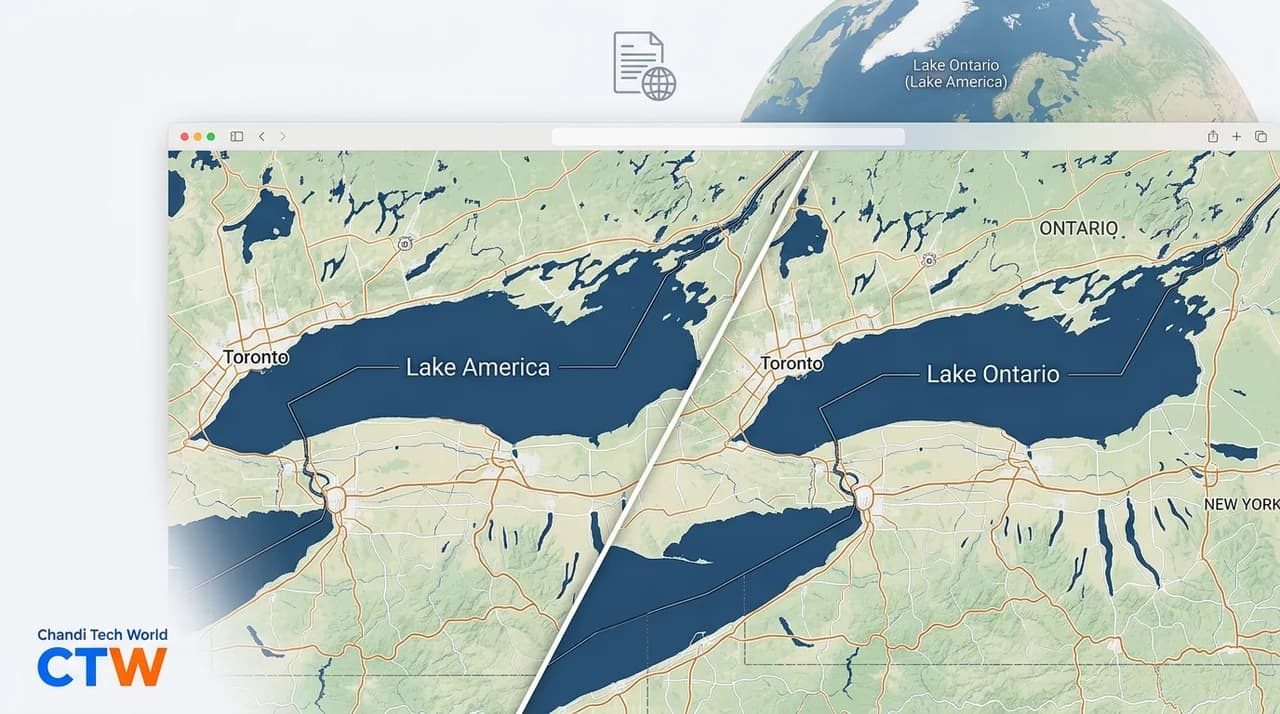
In a notable shift in geographical nomenclature, Google Maps has begun to label Lake Ontario as "Lake America" following an executive order signed by President Donald Trump. This decision, which reflects a broader trend in the re-evaluation of geographical names, is currently limited to users in the United States, while Canadian users will continue to see the lake referred to by its original name. The name change has sparked discussions about national identity, heritage, and the influence of political decisions on geographical terminology.
Background on the Name Change
President Trump’s recent executive order marks a significant moment in US-Canada relations and the ongoing debate over geographical naming conventions. The order to rename Lake Ontario to "Lake America" is part of a series of actions aimed at emphasizing American identity in geographical references. This is not the first instance of such a change; Trump previously renamed the Gulf of Mexico, showcasing his administration's focus on reshaping geographical identifiers. The decision to change the name of such a prominent body of water highlights the administration's intent to assert a more pronounced nationalistic narrative in the context of geographical identity.
The Role of Google Maps
Google Maps, a widely used navigation and mapping service, has responded to the executive order by updating its platform to reflect the new name for US users. According to Google, the name change is officially recognized by the US Geographic Names Information System (GNIS), which oversees the naming of geographical features in the United States. This ensures that the change is not merely a temporary update, but a formal recognition of the new nomenclature. Google’s role in this transition is significant, as the platform is a primary source of geographical information for millions of users. The company's decision to adopt the new name underscores the power of technology in shaping public perception and understanding of geographical realities.
Implications for US-Canada Relations
The renaming of Lake Ontario to "Lake America" may have broader implications for US-Canada relations. While the US government moves forward with this change, Canadian authorities and citizens may view it as an unnecessary alteration that overlooks the historical significance of the original name. The lake has been known as Lake Ontario for centuries, and such changes can lead to tensions regarding national identity and heritage. The historical context of Lake Ontario is rich, as it has been a vital resource and cultural landmark for Indigenous peoples and later for settlers in the region. Changing its name could be perceived as an erasure of this history, which may provoke backlash from those who value the lake's original name and its associated heritage.
Public Reaction
The public reaction to this name change has been mixed. Some Americans may embrace the new designation as a form of national pride, viewing it as a reaffirmation of their identity and sovereignty over geographical features within their borders. However, others may see it as a politically motivated move that serves to deepen divisions rather than foster unity. In Canada, the response has been predominantly one of confusion and frustration, as many residents are puzzled by the need to alter a name that has been part of their cultural and geographical landscape for generations. Social media platforms have become a battleground for opinions, with some users expressing outrage while others attempt to rationalize the decision as a reflection of changing political tides.
Future of Geographical Naming
This recent development raises questions about the future of geographical naming conventions. The ability of political leaders to influence the names of significant landmarks has always existed, but the prominence of technology companies like Google in disseminating this information adds a new layer of complexity. As geographical names continue to evolve, it is essential to consider the implications of such changes on cultural identity and historical acknowledgment. The intersection of technology and politics in geographical naming could set a precedent for future name changes, potentially leading to a landscape where political agendas dictate the terms of our geographical lexicon.
Conclusion
As Google Maps continues to adapt to the executive order, the implications of renaming Lake Ontario to "Lake America" will likely unfold over time. This change serves as a reminder of the intersection between geography and politics, and how technology plays a crucial role in shaping our understanding of place. While the name may resonate differently across borders, it highlights the ongoing dialogue about identity and heritage in a globalized world. The situation underscores the importance of engaging in discussions about geographical names, as they are not merely labels but are deeply intertwined with cultural significance and historical narratives. As we navigate this evolving landscape, it is crucial to remain aware of the broader implications of such changes on our collective identity.
Key Highlights
- Google Maps has renamed Lake Ontario to 'Lake America' for US users.
- The name change follows an executive order signed by President Trump.
- Canadian users will still see the lake referred to as Lake Ontario.
- The change reflects the designation from the US Geographic Names Information System.
- This is Trump's second geographical name change after the Gulf of Mexico.
- Public reactions are mixed, with some embracing and others opposing the change.
- The renaming raises questions about US-Canada relations and cultural identity.
Expert Analysis
Technical Analysis
The technology involved in this news revolves around Google Maps, a widely utilized mapping and navigation service that provides geographical information to users globally. Google Maps functions by aggregating data from various sources, including satellite imagery, user-generated content, and governmental databases like the US Geographic Names Information System (GNIS). The recent change in nomenclature for Lake Ontario to 'Lake America' is a direct result of an executive order, showcasing how technological platforms can quickly adapt to governmental directives and influence public perception of geographical realities.
This change addresses a specific problem of geographical naming conventions, particularly in the context of national identity and political influence. By adopting the new name, Google Maps demonstrates its role as a primary source of geographical information, which can shape how users understand and relate to significant landmarks. However, this situation also highlights limitations, such as the potential for public backlash and the complexities of cultural heritage that may arise from altering long-established names. The decision to rename such a prominent body of water raises questions about the implications of technology in the political landscape and the responsibilities of platforms like Google in representing historical and cultural significance.
Advantages
- Increases visibility of US national identity through geographical naming.
- Reflects official recognition by the US Geographic Names Information System (GNIS).
- Enhances user engagement by aligning with political narratives.
- Demonstrates the responsiveness of technology to governmental changes.
Disadvantages
- Potential backlash from users who value historical names and cultural significance.
- Risk of deepening divisions in US-Canada relations over national identity.
- Confusion among users, particularly in Canada, regarding the necessity of the name change.
Real-World Use Cases
- Individuals using Google Maps for navigation may encounter the new name, influencing their perception of the lake's significance.
- Businesses in the tourism sector may leverage the name change to promote national pride and attract visitors.
- Educators can use the name change as a case study in discussions about geography, politics, and cultural identity.
- Government agencies may utilize the updated information for planning and resource management in the region.
Business Impact
The renaming of Lake Ontario to 'Lake America' could have significant implications for businesses and industries reliant on geographical branding and tourism. Companies may capitalize on the name change to foster a sense of national pride, potentially leading to increased tourism in the area. Additionally, this shift may prompt competitors in the mapping and navigation sector to reassess their geographical naming practices in light of political influences. The broader implications for US-Canada relations could also affect cross-border trade and tourism, as perceptions of national identity evolve.
Furthermore, the decision underscores the growing intersection of technology and politics, suggesting that companies like Google may need to navigate complex political landscapes while maintaining user trust and historical integrity. This presents both challenges and opportunities for revenue generation in a politically charged environment.
User Impact
Ordinary users in the United States may benefit from the name change as it aligns with a sense of national identity and pride. For some, the new designation could enhance their connection to the geographical feature, fostering a sense of ownership and belonging. However, users in Canada may feel alienated or confused by the alteration, as it disregards the historical significance of the original name. This situation highlights the importance of geographical names as cultural identifiers, suggesting that ordinary users should be aware of the implications of such changes on their understanding of place and identity. The adoption of this new name may not be worth it for all users, particularly those who value historical context over political narratives.
Security & Privacy
Security and privacy analysis not applicable.
Future Outlook
In the near term, we can expect ongoing discussions about the implications of geographical naming changes, particularly as political leaders continue to influence such decisions. The role of technology companies like Google in disseminating this information will likely come under scrutiny, prompting calls for greater accountability in how geographical names are represented. As public sentiment evolves, there may be further adjustments to geographical nomenclature, potentially leading to a landscape where political agendas increasingly dictate naming conventions. This could set a precedent for future name changes, raising questions about the balance between national identity and historical acknowledgment.
Expert Summary
The renaming of Lake Ontario to 'Lake America' on Google Maps represents a significant intersection of technology, politics, and cultural identity. Stakeholders, including policymakers, businesses, and users, should pay attention to the implications of this change, as it highlights the power of technology in shaping public perception. Overall, this news underscores the importance of engaging in discussions about geographical names, as they are not merely labels but are deeply intertwined with cultural significance and historical narratives.
Originally reported by Android Authority.