
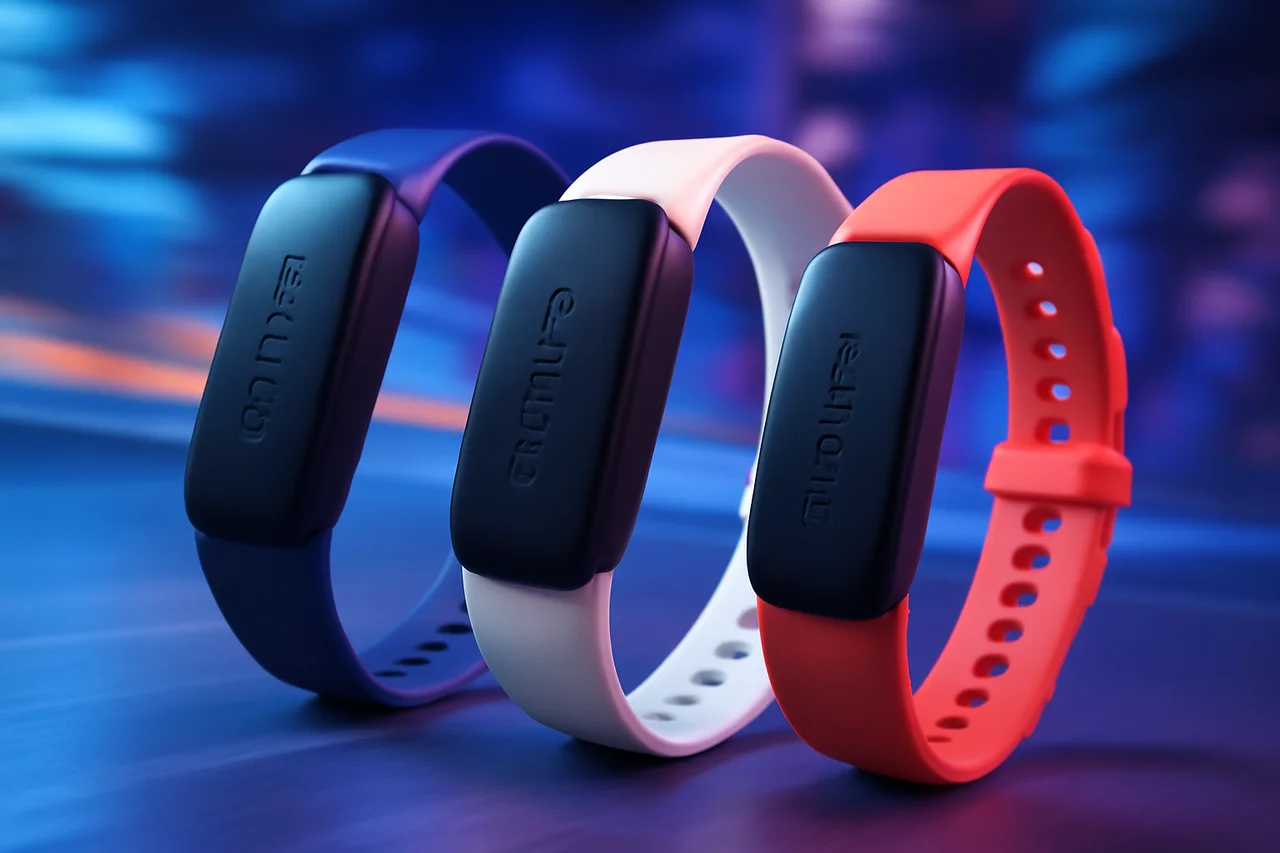
Luna, a company known for its innovative smart rings, has officially launched its latest product, the Luna Band, a screenless fitness tracker that promises to shake up the competitive landscape of wearable fitness technology. Priced at $149, the Luna Band is now available for shipping worldwide, marking a significant step for the company as it enters a market traditionally dominated by players like WHOOP.
Overview of the Luna Band
The Luna Band is designed to track fitness metrics without the distraction of a screen, appealing to users who prefer a minimalist approach to health monitoring. With its debut at CES earlier this year, the band has garnered considerable attention, leading to a robust waitlist that exceeded 100,000 individuals. This significant interest reflects a growing demand for innovative fitness solutions that prioritize functionality over flashy displays.
Unlike many traditional fitness trackers that often bombard users with notifications and data on a screen, the Luna Band takes a different route. By focusing on essential metrics and eliminating the screen, it encourages users to engage with their fitness data in a more thoughtful manner. This design philosophy aligns with a broader trend in health technology, where simplicity and user experience are becoming paramount.
Launch Timeline and Pre-orders
The journey to the Luna Band’s release began in May when Luna opened a waitlist for interested customers. Following this, pre-orders officially started on July 4, allowing early adopters to secure their devices ahead of the launch. The first shipments are scheduled for July 31, and the initial drop was an exclusive invite-only event that sold out rapidly, underscoring the anticipation surrounding the product.
This strategic pre-launch marketing approach not only built excitement but also created a sense of exclusivity around the Luna Band. By engaging potential customers early, Luna was able to foster a community of brand advocates even before the product hit the market. This tactic is particularly effective in the tech industry, where early adopters often play a crucial role in shaping public perception and driving initial sales.
Competitive Landscape
The fitness tracker market is becoming increasingly crowded, with established brands like WHOOP facing new competition from the likes of Google’s Fitbit Air and Garmin’s CIRQA Smart Band. While WHOOP has long been the leader in screenless fitness tracking, the introduction of the Luna Band adds another contender to the mix. Each of these products offers unique features aimed at health-conscious consumers, making it essential for brands to differentiate themselves in this competitive arena.
As users become more discerning about their fitness technology, the competition will likely drive innovation in the sector. Companies will need to continually refine their offerings, focusing on accuracy, user experience, and integration with other health technologies. The Luna Band's entry into this market may push established brands to enhance their own products, ultimately benefiting consumers through improved features and pricing.
Features and Customization Options
The Luna Band stands out not only for its screenless design but also for its customizable options. Customers can choose from a variety of strap colors, allowing them to personalize their fitness tracker to match their style. This focus on customization is part of a broader trend in the wearable tech market, where consumers increasingly seek products that reflect their personal tastes and lifestyles.
Customization is not just about aesthetics; it also enhances user engagement. When consumers feel that their devices represent their individuality, they are more likely to incorporate these products into their daily routines. This emotional connection can lead to increased usage and, ultimately, better health outcomes as users become more invested in their fitness journeys.
Market Impact and Future Prospects
With its competitive pricing and innovative design, the Luna Band has the potential to disrupt the current market dynamics. As fitness enthusiasts continue to look for effective ways to monitor their health, the introduction of the Luna Band may encourage other brands to innovate further. The success of this product could pave the way for Luna to expand its offerings and solidify its presence in the wearables sector.
Moreover, the Luna Band's screenless design could inspire a new category of fitness trackers that prioritize simplicity and user focus. As consumers become more aware of their health and wellness, the demand for intuitive and unobtrusive devices is likely to grow. If Luna can capitalize on this trend, it may find itself at the forefront of a significant shift in the fitness tracker market.
Conclusion
The launch of the Luna Band marks an exciting development in the fitness tracker market. With its unique features, competitive pricing, and strong consumer interest, Luna is poised to make a significant impact. As shipping begins, it will be interesting to see how the Luna Band performs against established players like WHOOP, Fitbit Air, and Garmin. For those who have been eagerly awaiting the Luna Band, the wait is finally over.
Key Highlights
- Luna Band is a screenless fitness tracker priced at $149.
- The product officially launched with shipments starting July 31.
- Over 100,000 people signed up for the Luna Band waitlist.
- Pre-orders began on July 4 following the waitlist announcement in May.
- The Luna Band features customizable strap colors for personalization.
- The fitness tracker market is increasingly competitive with new entrants.
- Luna aims to disrupt the dominance of WHOOP and other established brands.
Expert Analysis
Technical Analysis
The Luna Band is a screenless fitness tracker that utilizes advanced sensor technology to monitor key fitness metrics such as heart rate, activity levels, and sleep patterns without the distraction of a display. This approach allows users to engage with their fitness data in a more reflective manner, focusing on the essential information rather than being overwhelmed by notifications and data visualizations. The absence of a screen not only simplifies the device's design but also contributes to its lightweight and minimalist appeal, which is increasingly sought after by health-conscious consumers.
What sets the Luna Band apart from traditional fitness trackers is its emphasis on user experience and simplicity. By eliminating the screen, the device encourages users to think critically about their health data and integrate it into their daily routines without the constant interruptions that come with screen notifications. While this design philosophy may limit the immediate accessibility of detailed data, it addresses a growing desire among users for a more mindful approach to health monitoring. However, the lack of a display may also pose challenges for users who prefer real-time feedback and immediate access to their metrics.
Advantages
- Screenless design promotes a minimalist and distraction-free user experience.
- Customizable strap colors enhance personal expression and user engagement.
- Competitive pricing at $149 makes it accessible to a wider audience.
- Strong pre-launch interest with over 100,000 people on the waitlist indicates high consumer demand.
Disadvantages
- No major disadvantages reported yet.
Real-World Use Cases
- Individuals looking for a simple and unobtrusive way to track their fitness metrics.
- Fitness enthusiasts who prefer a device that encourages thoughtful engagement with health data.
- Consumers who value personalization and customization in wearable technology.
Business Impact
The launch of the Luna Band introduces a new competitor into the fitness tracker market, which has been dominated by established brands like WHOOP and Fitbit. This entry could stimulate innovation among existing players as they strive to differentiate their offerings in a crowded space. The competitive pressure may lead to enhancements in product features and pricing strategies, ultimately benefiting consumers and potentially increasing overall market growth. If successful, Luna could leverage this momentum to expand its product line and solidify its position within the wearables sector.
User Impact
The Luna Band primarily benefits consumers who prefer a streamlined approach to fitness tracking, particularly those who may be overwhelmed by traditional devices laden with screens and notifications. Ordinary users should care about this product as it represents a shift towards more thoughtful health monitoring solutions. For those who value simplicity and personalization in their fitness technology, adopting the Luna Band may be worthwhile, especially given the strong initial interest and competitive pricing.
Security & Privacy
Security and privacy analysis not applicable.
Future Outlook
In the near term, the Luna Band is likely to influence the design and functionality of future fitness trackers, encouraging other brands to explore screenless options and prioritize user experience. As consumer preferences shift towards more intuitive and less intrusive health monitoring devices, Luna may capitalize on this trend to expand its market presence. Continued innovation in this space could lead to the emergence of new categories of fitness trackers that focus on simplicity and essential functionality.
Expert Summary
The launch of the Luna Band is a significant development in the fitness tracker market, appealing to consumers seeking a minimalist and thoughtful approach to health monitoring. Companies and consumers alike should pay attention to how this product performs against established competitors. Overall, the Luna Band's unique features and strong market interest suggest it could reshape consumer expectations and drive innovation within the industry.
Originally reported by Android Authority.



