
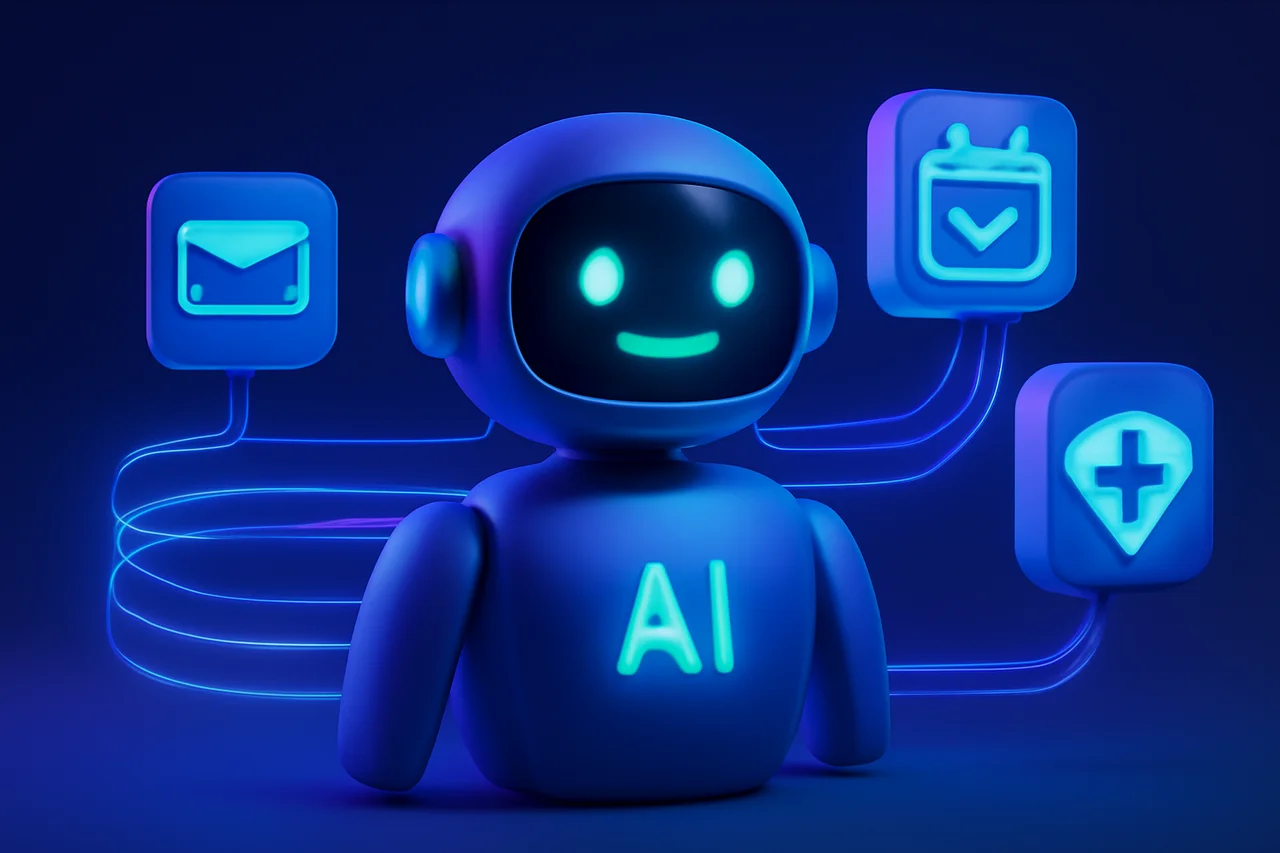
Meta has officially launched its latest innovation, the Muse AI agent, marking a significant step in the company’s journey into the realm of consumer-focused artificial intelligence. This new personal AI assistant aims to enhance user experience by accessing a broad spectrum of personal data, including emails, calendars, payment details, and even health services. However, this ambitious initiative raises critical questions about consumer trust, particularly in light of Meta’s history with data privacy issues.
What is Muse AI?
Muse AI is designed to serve as a personal assistant that can streamline various aspects of users' digital lives. By integrating with essential applications and services, Muse aims to provide tailored assistance that can help users manage their schedules, track expenses, and even monitor health-related information. This multifaceted approach positions Muse as a potentially indispensable tool for managing day-to-day tasks.
The AI agent leverages advanced algorithms and machine learning techniques to analyze user behavior and preferences, enabling it to offer personalized recommendations and reminders. For instance, Muse can suggest optimal times for meetings based on calendar availability, alert users to upcoming bills, or even provide health tips based on tracked data. By acting as a centralized hub for personal information, Muse AI seeks to enhance productivity and improve overall quality of life for its users.
Consumer Concerns Over Data Privacy
Despite the potential benefits of Muse AI, consumer skepticism looms large. Meta has faced numerous controversies regarding data privacy, leading many to question whether they can trust the company with their sensitive information. The integration of a personal AI agent that requires extensive access to personal data is especially concerning for those who have been wary of how their information is used and stored.
High-profile incidents in the past have left a lasting impact on consumer perceptions of Meta, with concerns about data breaches and unauthorized data sharing contributing to a climate of distrust. As Muse AI seeks to gather and process vast amounts of personal data, the stakes are high. Users are increasingly aware of the implications of data misuse, and any misstep could lead to significant backlash against Meta.
The Trust Factor
Trust is a critical component for the success of any technology that relies on personal data. For Muse AI to thrive, Meta must convince users that their data will be handled securely and ethically. This involves not only robust security measures but also transparency about how data is collected, used, and shared. Building consumer confidence will be essential, particularly given the competitive landscape of AI assistants, where alternatives may not carry the same baggage.
To foster trust, Meta may need to implement user-friendly privacy controls, allowing users to easily manage their data preferences. Providing clear and accessible information about data practices could help demystify the technology and alleviate concerns. Additionally, engaging with consumer feedback and adapting Muse AI based on user experiences could demonstrate Meta's commitment to ethical data practices.
Meta's Strategy Moving Forward
As Meta rolls out Muse AI, the company will likely implement strategies aimed at rebuilding trust with consumers. This could include clear communication regarding data usage policies, user control over personal data, and perhaps even partnerships with third-party organizations to enhance credibility. Meta may also need to invest in public relations efforts to reshape its image in the context of data privacy.
Moreover, educational campaigns that inform users about the benefits of Muse AI and how it safeguards their data could be beneficial. By proactively addressing concerns and promoting the positive aspects of the AI, Meta can work towards changing the narrative surrounding its data practices. Engaging with privacy advocates and participating in industry-wide discussions on ethical AI could further bolster Meta's reputation.
Implications for the AI Landscape
The introduction of Muse AI is not just a pivotal moment for Meta; it could also have broader implications for the AI landscape. As more companies venture into personal AI, the industry will need to address the critical issues of data privacy and consumer trust. The success or failure of Muse may set a precedent for how future AI products are received by the public.
With increasing scrutiny on data privacy practices, the development of AI technologies will likely be influenced by consumer demand for transparency and security. Companies that prioritize ethical data handling and foster trust with their users may find themselves at a competitive advantage in the rapidly evolving AI market. Conversely, those that fail to address these concerns could face significant challenges in gaining user acceptance.
Conclusion: The Road Ahead for Muse AI
In conclusion, Meta's Muse AI agent represents a bold move into the consumer AI space, but it comes with significant challenges. The company must navigate the delicate balance between offering innovative technology and ensuring consumer trust in a landscape fraught with data privacy concerns. As users weigh the benefits of a personal AI assistant against their apprehensions about data security, the coming months will be crucial for both Muse and Meta's reputation.
Ultimately, the success of Muse AI will depend on Meta’s ability to demonstrate a commitment to protecting user data while delivering a valuable service. If successful, Muse could redefine the role of AI in everyday life, paving the way for a new era of digital assistance that prioritizes user empowerment and trust.
Key Highlights
- Meta's Muse AI agent aims to enhance user experience by accessing personal data.
- The AI agent will integrate with emails, calendars, payments, and health services.
- Consumer trust is a significant concern due to Meta's history with data privacy.
- Meta must communicate transparently about data usage to build consumer confidence.
- The success of Muse AI could set a precedent for future AI products in the market.
- Trust and data security will be critical factors in Muse's adoption by consumers.
- Meta's strategy may involve partnerships and public relations efforts to improve its image.
Expert Analysis
Technical Analysis
Muse AI is a personal artificial intelligence assistant developed by Meta, designed to enhance user experience by integrating with various applications and services. It utilizes advanced algorithms and machine learning techniques to analyze user behavior and preferences, allowing it to provide personalized recommendations and reminders. By accessing a wide range of personal data, including emails, calendars, and health information, Muse AI aims to streamline daily tasks and improve productivity. This multifaceted approach positions Muse as a potentially indispensable tool for managing personal and professional responsibilities.
However, the technology also raises significant concerns regarding data privacy and consumer trust. Given Meta's history with data breaches and privacy controversies, the reliance on extensive personal data collection for Muse AI's functionality could deter potential users. The success of Muse AI hinges on Meta's ability to implement robust security measures and transparent data practices, ensuring that users feel confident in how their information is handled. While the technology promises to enhance user experience, its acceptance will largely depend on addressing these critical privacy concerns.
Advantages
- Enhances user productivity by streamlining daily tasks and managing schedules.
- Provides personalized recommendations based on user behavior and preferences.
- Acts as a centralized hub for managing various aspects of digital life, including health and finances.
- Potentially improves overall quality of life by offering tailored assistance.
Disadvantages
- Consumer skepticism regarding data privacy due to Meta's past controversies.
- High stakes involved in user data handling, with potential backlash from any missteps.
Real-World Use Cases
- Individuals can use Muse AI to manage their calendars and schedule meetings more efficiently.
- Users can track expenses and receive alerts for upcoming bills, aiding in financial management.
- Health-conscious users can monitor their health-related information and receive personalized health tips.
Business Impact
The launch of Muse AI could significantly impact Meta's market position, especially as it seeks to rebuild consumer trust in the wake of past privacy issues. By addressing data privacy concerns effectively, Meta may differentiate itself from competitors in the AI assistant space, potentially capturing a larger share of the market. Additionally, the success of Muse AI could open new revenue opportunities for Meta through enhanced user engagement and the development of premium features that leverage user data responsibly.
User Impact
Ordinary users stand to benefit from the convenience and efficiency that Muse AI promises, as it aims to simplify the management of personal and professional tasks. However, those wary of data privacy issues may hesitate to adopt the technology, given Meta's history. Ultimately, users will need to weigh the potential benefits of a personal AI assistant against their concerns about data security and privacy.
Security & Privacy
Given the extensive personal data Muse AI requires for its functionality, security and privacy are paramount concerns. Users will need assurance that their data is handled securely and ethically, especially in light of Meta's previous controversies. The success of Muse AI will depend on the company's ability to implement strong security measures and maintain transparency regarding data practices.
Future Outlook
In the near term, Meta will likely focus on building consumer trust through clear communication about data usage and privacy controls. The company may also engage in educational campaigns to inform users about the benefits of Muse AI while addressing privacy concerns. As the AI landscape evolves, companies that prioritize ethical data handling and transparency may gain a competitive edge, influencing future developments in personal AI technology.
Expert Summary
The launch of Muse AI is a significant development in the consumer AI space, particularly for Meta, which must navigate the challenges of consumer trust and data privacy. Stakeholders, including users and industry observers, should pay close attention to how Meta addresses these concerns and whether it can successfully integrate Muse AI into users' daily lives. The outcome will likely shape the future of AI assistants and set a precedent for data practices in the industry.
Originally reported by TechCrunch.



