
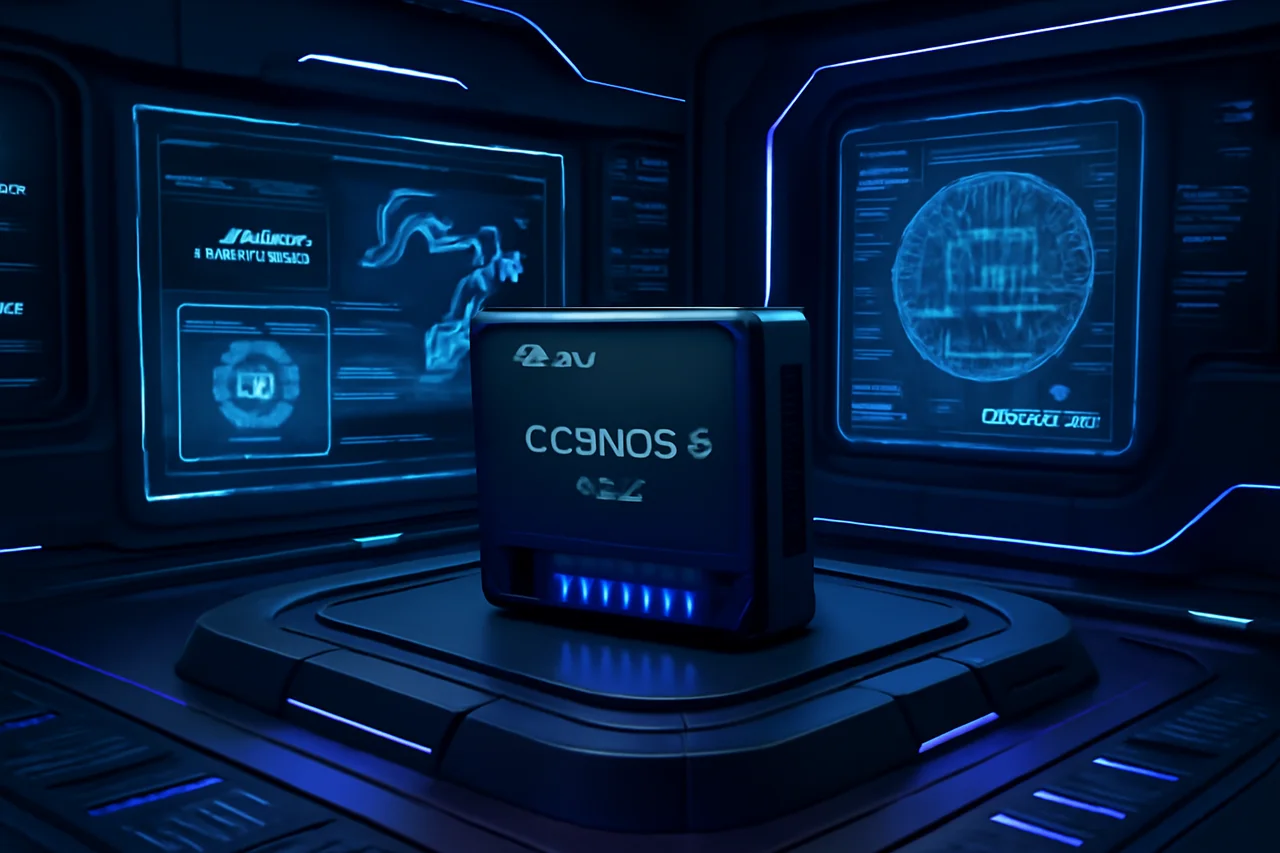
NVIDIA has made a significant leap in the realm of robotics with the introduction of the Cosmos 3 Edge, a cutting-edge hardware solution designed for on-device robot control. This innovative technology aims to address the challenges faced by robots in adapting their policies to diverse sensors, environments, and tasks while operating on onboard computing systems. As industries increasingly turn to automation, the need for more sophisticated robot control systems becomes paramount, and NVIDIA's latest offering is poised to meet that demand.
Understanding the Challenges of Robot Control
Robots today are expected to perform complex tasks in a variety of environments, which requires them to possess adaptable policies. These policies are crucial for enabling robots to respond effectively to different sensors and operational contexts. Traditionally, world models have served as a foundational framework for learning about physical interactions. However, their substantial size has posed a significant hurdle for on-device deployment, making it challenging for robots to leverage this technology. As robots are deployed in increasingly unpredictable environments, the ability to adapt and learn in real-time becomes essential. The limitations of traditional systems have led to a growing interest in on-device computing solutions that can process data locally, thereby enhancing responsiveness and efficiency.
The Role of NVIDIA Cosmos 3 Edge
The newly launched NVIDIA Cosmos 3 Edge addresses these limitations with its advanced features. At its core, the Cosmos 3 Edge incorporates a 4B omni-model, which allows for a more efficient representation of complex data. This model is designed to encapsulate a wide range of scenarios and interactions, enabling robots to understand and react to their surroundings more effectively. Additionally, it is equipped with a 2B NVIDIA Nemotron-based reasoner, enhancing its capability to process information and adapt to various operational scenarios. This combination of technologies empowers robots to learn and interact with their environments more effectively, paving the way for more autonomous operations.
Enhancing On-Device Computing
On-device computing has become increasingly important in robotics, as it allows for real-time processing and decision-making without relying on external servers. The Cosmos 3 Edge is designed to optimize this aspect, enabling robots to operate independently and efficiently. This capability not only improves performance but also reduces latency, which is critical for tasks requiring immediate responses. By minimizing the need for constant communication with cloud-based systems, robots can react swiftly to changes in their environment, making them more effective in dynamic settings such as warehouses, factories, and even in home automation scenarios.
World Models and Their Impact
World models are essential for robots to understand and navigate their environments. The introduction of the Cosmos 3 Edge signifies a breakthrough in making these models more accessible for on-device use. By overcoming the size constraints that have historically hindered their deployment, NVIDIA is paving the way for robots to utilize world models effectively, leading to improved learning and interaction with physical spaces. This shift not only enhances the robots' ability to perceive their surroundings but also allows for more sophisticated planning and execution of tasks, which is vital for applications ranging from autonomous driving to robotic surgery.
Implications for the Future of Robotics
The advancements represented by the NVIDIA Cosmos 3 Edge are likely to have far-reaching implications for the field of robotics. With the ability to adapt to varying conditions and tasks, robots equipped with this technology can undertake more complex operations across diverse industries. This could lead to innovations in areas such as manufacturing, logistics, and even healthcare, where robots can perform intricate tasks with greater autonomy. For instance, in manufacturing, robots could adjust their operations in real-time based on changes in assembly line conditions, while in healthcare, they could assist in surgeries with precision and adaptability that were previously unattainable.
Conclusion
The unveiling of the NVIDIA Cosmos 3 Edge marks a pivotal moment in the evolution of on-device robot control. By integrating a powerful omni-model and a sophisticated reasoner, NVIDIA is not only enhancing the capabilities of robots but also transforming the landscape of robotics as a whole. As this technology continues to develop, it promises to unlock new possibilities for autonomous machines, making them more adaptable and efficient than ever before. With the potential to revolutionize various sectors, the Cosmos 3 Edge stands as a testament to NVIDIA's commitment to advancing robotics and artificial intelligence, setting the stage for a future where robots can seamlessly integrate into everyday life.
Key Highlights
- NVIDIA Cosmos 3 Edge enhances on-device robot control capabilities.
- Features a 4B omni-model for effective data representation.
- Equipped with a 2B NVIDIA Nemotron-based reasoner for improved adaptability.
- Addresses challenges related to the size of world models in robotics.
- Optimizes on-device computing for real-time processing and decision-making.
- Paves the way for robots to perform complex tasks in diverse environments.
- Significant implications for industries like manufacturing and healthcare.
Expert Analysis
Technical Analysis
The NVIDIA Cosmos 3 Edge represents a significant advancement in robotics technology, particularly in the realm of on-device computing. It integrates a 4B omni-model and a 2B NVIDIA Nemotron-based reasoner, enabling robots to process complex data and adapt their behaviors in real-time. This technology addresses the limitations of traditional world models, which have been too large for effective on-device deployment, thus hindering robots' ability to learn and respond to their environments efficiently. By allowing for local data processing, the Cosmos 3 Edge enhances responsiveness and reduces latency, which are critical for robots operating in dynamic settings.
What sets the Cosmos 3 Edge apart is its focus on enabling robots to operate autonomously without relying on cloud-based systems. This capability is essential for applications requiring immediate decision-making, such as in manufacturing or healthcare. The advanced features of the Cosmos 3 Edge not only improve the robots' operational efficiency but also enhance their ability to perceive and interact with their surroundings, paving the way for more sophisticated task execution. However, the reliance on advanced hardware may present challenges in terms of cost and accessibility for smaller enterprises looking to adopt this technology.
Advantages
- Enhanced adaptability of robots to diverse environments and tasks
- Real-time processing capabilities for immediate decision-making
- Reduction in latency, improving operational efficiency
- Ability to utilize complex world models on-device, making them more accessible
Disadvantages
- No major disadvantages reported yet.
Real-World Use Cases
- Manufacturing robots that can adjust operations in real-time based on assembly line conditions
- Healthcare robots assisting in surgeries with greater precision and adaptability
- Warehouse robots that navigate and manage inventory dynamically
- Home automation systems that respond intelligently to user commands and environmental changes
Business Impact
The introduction of the Cosmos 3 Edge is likely to disrupt various industries by enabling more sophisticated robotic applications. As businesses increasingly adopt automation, the demand for advanced robot control systems will rise, creating new revenue opportunities for NVIDIA and its partners. Competitors may need to enhance their offerings to keep pace with the capabilities provided by the Cosmos 3 Edge, potentially leading to increased investment in robotics technology across the sector.
User Impact
Ordinary users stand to benefit from the advancements brought by the Cosmos 3 Edge, particularly in areas like home automation and healthcare, where robots can assist with daily tasks and medical procedures. However, the complexity and cost of implementing such advanced systems may limit accessibility for smaller businesses and individual consumers. Overall, the technology represents a significant step forward in making robots more capable and integrated into everyday life, suggesting that it is worth considering for those in relevant industries.
Security & Privacy
Security and privacy analysis not applicable.
Future Outlook
In the near term, we can expect further developments in on-device computing capabilities, potentially leading to even more advanced robotic systems. As industries continue to explore automation, innovations stemming from the Cosmos 3 Edge could inspire new applications and improvements in existing technologies. The focus on adaptability and real-time processing will likely drive the direction of future robotics research and development.
Expert Summary
The launch of the NVIDIA Cosmos 3 Edge is a noteworthy advancement in robotics, particularly in enhancing on-device control and adaptability. Stakeholders in industries such as manufacturing, logistics, and healthcare should pay close attention to this technology, as it promises to transform operational efficiencies and capabilities. Overall, the Cosmos 3 Edge represents a significant leap forward in robotics, with the potential to reshape how robots interact with their environments.
Originally reported by NVIDIA Technical Blog.



