
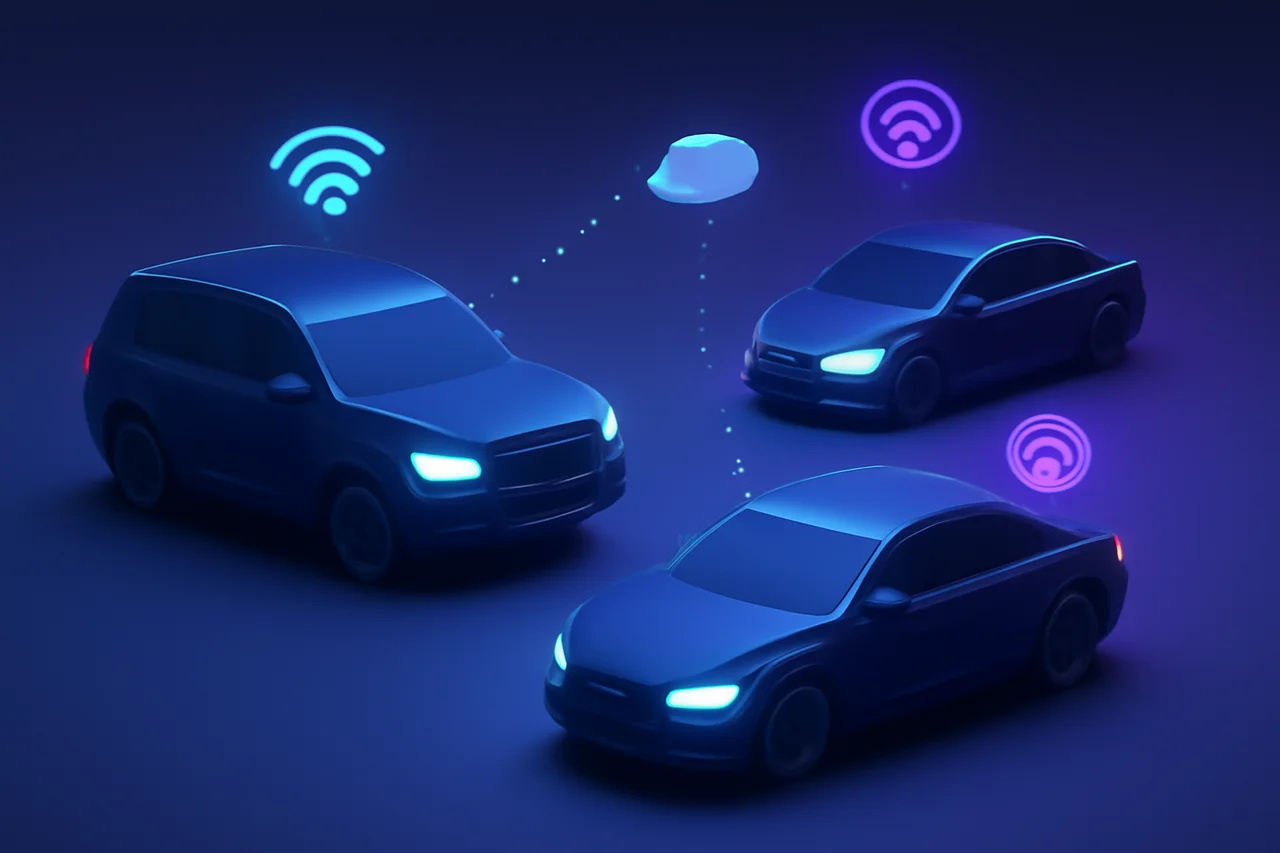
The automotive industry is undergoing a significant transformation, driven by advancements in technology that enhance vehicle perception systems. NVIDIA's latest innovation, the Omniverse NuRec, aims to optimize the perception stack across various vehicle platforms. This technology is crucial as it directly influences how vehicles interpret their environments, which can vary dramatically depending on the vehicle type. As the demand for autonomous and semi-autonomous vehicles grows, the importance of sophisticated perception systems becomes even more pronounced.
Understanding the Perception Stack
The perception stack is a crucial component in any vehicle's autonomous or semi-autonomous system. It consists of various sensors and algorithms that help the vehicle understand its surroundings. These systems typically include cameras, LiDAR, radar, and ultrasonic sensors, each contributing unique data that, when processed correctly, allows the vehicle to make informed decisions. However, the effectiveness of this stack is heavily influenced by the specific vehicle it is integrated into. For instance, the perception stack used in an SUV will behave differently than that in a sedan, even if the same software is applied. This variability underscores the need for a flexible and adaptable perception framework.
Factors Influencing Perception
When transferring software from one vehicle type to another, several factors come into play that can alter the perception of the environment:
- Sensor Placement: The location of sensors can drastically change the data they collect. For example, sensors positioned higher on an SUV may capture a wider field of view compared to those on a sedan. This difference can impact the vehicle's ability to detect pedestrians, cyclists, and other road users.
- Calibration: Each vehicle type requires specific calibration to ensure that the sensors function optimally. This process is essential for accurate data interpretation. Miscalibration can lead to errors in object detection and classification, which could have serious safety implications.
- Body Geometry: The shape and size of the vehicle affect how it interacts with its environment, influencing everything from visibility to the detection of objects. For instance, a compact car may have a different blind spot configuration compared to a larger SUV, necessitating different approaches to sensor integration.
- Occlusions: Different vehicle designs can create unique blind spots, leading to variations in how elements like traffic lights are perceived. For example, a tall vehicle might obscure a stop sign or traffic signal from the driver's view, requiring the perception system to compensate for these occlusions.
- Timing and Coverage: The speed at which data is processed and the areas covered by sensors can differ based on the vehicle's design. A vehicle designed for high-speed travel may need to process data more quickly than one intended for urban environments, where lower speeds and more complex interactions are common.
The Role of NVIDIA Omniverse NuRec
NVIDIA's Omniverse NuRec is designed to address these challenges by providing a robust platform for developing vehicle perception technologies. By leveraging this platform, manufacturers can ensure that their perception stacks are adaptable and optimized for different vehicle types. This adaptability is vital for creating a seamless transition between various models in a manufacturer’s lineup. Omniverse NuRec facilitates simulation and testing, allowing developers to create and refine perception algorithms in a virtual environment before deploying them in real-world scenarios. This capability not only accelerates development timelines but also enhances the reliability of the final product.
Real-World Implications
The implications of this technology are significant. As vehicles become more autonomous, the need for accurate perception becomes paramount. A vehicle that can effectively interpret its surroundings is better equipped to make safe driving decisions. For instance, if a traffic light is detected in an unexpected location due to vehicle geometry, the system must be capable of adjusting its interpretation to ensure safety. This adaptability can mean the difference between a safe driving experience and a potentially dangerous situation. Furthermore, as regulations around autonomous driving evolve, the ability to demonstrate robust perception capabilities will be essential for manufacturers looking to gain approval for their vehicles.
Future of Vehicle Perception
As the automotive industry continues to evolve, the importance of a versatile and effective perception stack cannot be overstated. NVIDIA's Omniverse NuRec represents a step forward in achieving this goal. By facilitating the transfer of perception technology across different vehicle platforms, NVIDIA is helping to pave the way for safer and more reliable autonomous vehicles. The future of vehicle perception will likely see increased integration of artificial intelligence and machine learning, enabling systems to learn from their environments and improve over time. This evolution will be crucial as vehicles navigate increasingly complex urban landscapes and interact with a diverse array of road users.
Conclusion
In conclusion, the perception stack's performance is heavily influenced by the vehicle it is integrated into. With NVIDIA Omniverse NuRec, manufacturers can enhance their perception technologies, ensuring they are equipped to handle the unique challenges posed by different vehicle designs. As this technology continues to develop, it will play a crucial role in shaping the future of automotive safety and automation. The ongoing collaboration between technology providers like NVIDIA and automotive manufacturers will be essential in realizing the full potential of autonomous driving, ultimately leading to safer roads and more efficient transportation systems.
Key Highlights
- The perception stack varies significantly between different vehicle types.
- Sensor placement and calibration are critical for accurate environmental interpretation.
- NVIDIA Omniverse NuRec enhances adaptability of perception technologies.
- Vehicle body geometry influences how traffic signals and obstacles are perceived.
- Effective perception is essential for the safety of autonomous vehicles.
- NVIDIA aims to streamline the transfer of perception technology across platforms.
- Future advancements will further improve vehicle autonomy and safety.
Expert Analysis
Technical Analysis
NVIDIA's Omniverse NuRec leverages a sophisticated perception stack, which integrates various sensors such as cameras, LiDAR, radar, and ultrasonic sensors to enable vehicles to interpret their surroundings effectively. This technology addresses the variability in perception systems across different vehicle types by providing a flexible framework that adapts to the unique characteristics of each vehicle. The Omniverse NuRec platform allows for simulation and testing of perception algorithms in a virtual environment, which accelerates development timelines and enhances the reliability of the final product. This is particularly important as the demand for autonomous and semi-autonomous vehicles increases, necessitating advanced perception capabilities.
The Omniverse NuRec differentiates itself by focusing on the adaptability of the perception stack to various vehicle geometries, sensor placements, and calibration needs. It addresses challenges such as occlusions and timing discrepancies that can arise from different vehicle designs. While the technology promises significant improvements in safety and reliability for autonomous driving, it also faces limitations, such as the need for precise calibration and the potential for misinterpretation of data if not properly implemented. Overall, the Omniverse NuRec represents a significant advancement in vehicle perception technology, with the potential to transform how vehicles interact with their environments.
Advantages
- Enhances adaptability of perception systems across different vehicle types.
- Facilitates simulation and testing, reducing development timelines.
- Improves reliability of perception algorithms before real-world deployment.
- Addresses unique challenges posed by vehicle geometry and sensor placement.
Disadvantages
- Requires precise calibration for optimal sensor performance.
- Potential for misinterpretation of data if calibration is incorrect.
Real-World Use Cases
- Automakers can utilize Omniverse NuRec to develop perception systems tailored to various vehicle models.
- Developers can simulate and test perception algorithms in a virtual environment to refine their performance.
- Fleet operators can implement the technology to enhance safety and efficiency across diverse vehicle types.
Business Impact
The introduction of NVIDIA's Omniverse NuRec is likely to have a substantial impact on the automotive industry, particularly as manufacturers strive to meet the increasing demand for autonomous vehicles. By providing a robust platform for perception technology, NVIDIA positions itself as a key player in the automotive tech space, potentially leading to increased collaboration with vehicle manufacturers. This could open up new revenue opportunities as companies seek to integrate advanced perception capabilities into their vehicles to comply with evolving regulations and safety standards.
User Impact
Ordinary users stand to benefit significantly from the advancements brought by Omniverse NuRec, as improved vehicle perception systems can lead to safer driving experiences. However, those who may not benefit are users of older vehicle models that lack the necessary technology for integration. Overall, the adoption of this technology is worth considering for manufacturers aiming to enhance vehicle safety and automation features, which will ultimately benefit consumers in the long run.
Security & Privacy
Security and privacy analysis not applicable.
Future Outlook
In the near term, we can expect further developments in the integration of artificial intelligence and machine learning within vehicle perception systems, enhancing their ability to learn from real-world environments. As the automotive industry continues to evolve, the focus will likely shift towards creating more versatile and effective perception stacks that can handle increasingly complex driving scenarios, paving the way for broader adoption of autonomous vehicles.
Expert Summary
NVIDIA's Omniverse NuRec represents a significant advancement in vehicle perception technology, addressing the unique challenges posed by different vehicle designs. Automotive manufacturers, developers, and fleet operators should pay close attention to this development, as it has the potential to enhance safety and efficiency in autonomous driving. Overall, the technology is a crucial step towards realizing the full potential of autonomous vehicles, making it a noteworthy innovation in the automotive landscape.
Originally reported by NVIDIA Technical Blog.



