
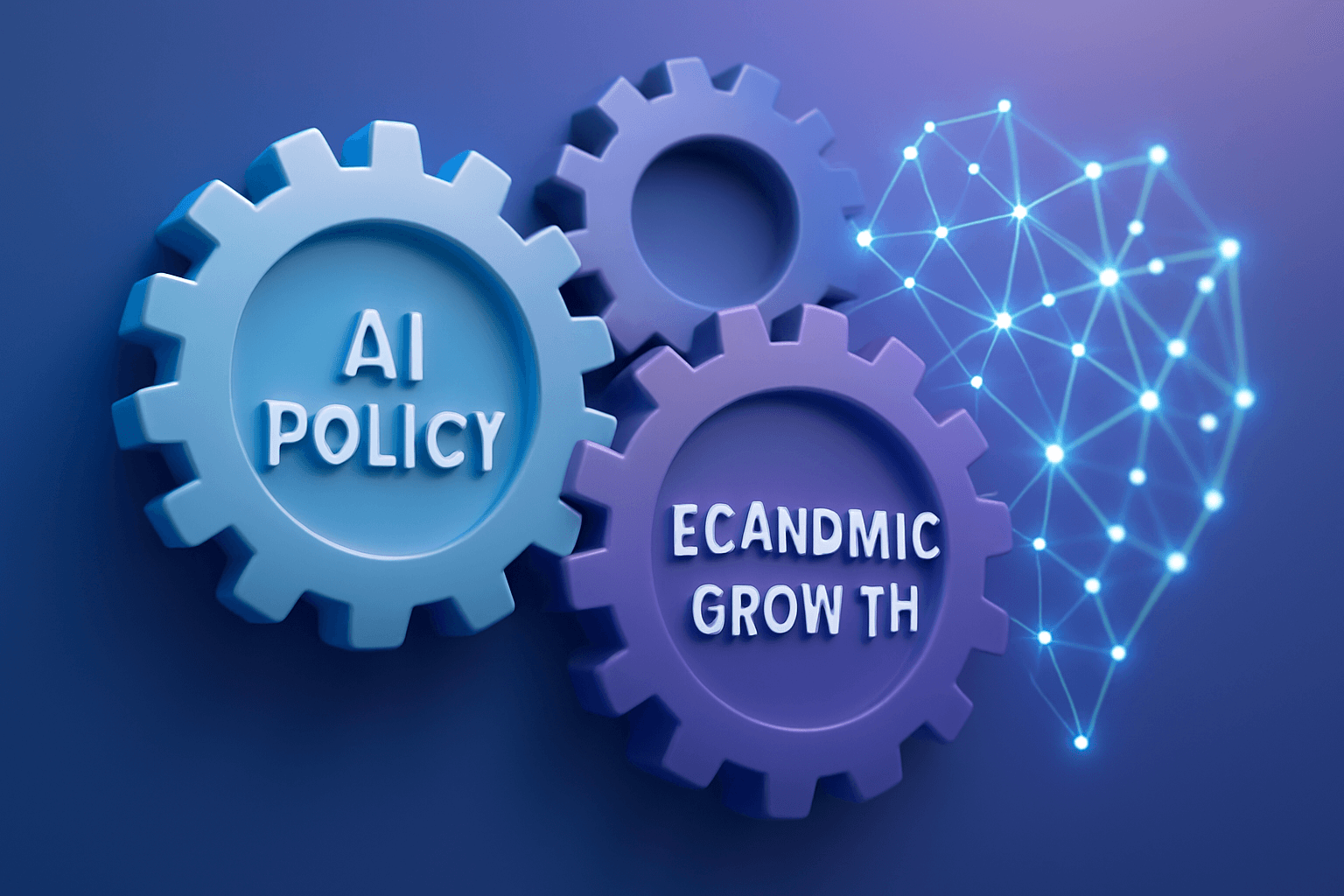
As artificial intelligence continues to evolve, the need for thoughtful policy development becomes increasingly critical. OpenAI, a leader in the AI field, has announced its investment in 14 independent projects aimed at exploring innovative AI policy ideas. This initiative highlights the organization's commitment to fostering responsible AI development while addressing the economic and societal challenges posed by the Intelligence Age.
Understanding the Intelligence Age
The term "Intelligence Age" refers to a new era characterized by the pervasive influence of artificial intelligence across various sectors. As AI technologies advance, they bring both opportunities and challenges that require careful navigation. The initiatives funded by OpenAI are designed to harness these opportunities while also mitigating potential risks associated with AI deployment. This age is marked not only by technological advancements but also by the profound changes in how we work, communicate, and interact with the world around us.
OpenAI's Commitment to Responsible AI Development
OpenAI's funding of these 14 independent projects underscores its dedication to responsible AI development. By investing in a diverse range of policy ideas, the organization aims to ensure that AI technologies are developed and implemented in ways that benefit society as a whole. This approach not only promotes innovation but also encourages a collaborative effort among various stakeholders to address the complexities of AI. OpenAI recognizes that responsible AI development is not merely about technological advancement; it is about fostering a framework that prioritizes ethical considerations and societal well-being.
Expanding Economic Opportunities
One of the primary objectives of these projects is to expand economic opportunities in the wake of AI advancements. As AI continues to transform industries, it is essential to create policies that support workforce adaptation and economic growth. The funded projects will explore how AI can be leveraged to create jobs, enhance productivity, and stimulate economic development, ensuring that the benefits of AI are widely shared. This includes investigating how AI can complement human labor, rather than replace it, thereby leading to a more inclusive economy where technological advancements translate into tangible benefits for all segments of society.
Strengthening Societal Resilience
In addition to economic growth, OpenAI's initiatives also focus on strengthening societal resilience. The rapid integration of AI technologies can lead to significant societal shifts, and it is crucial to develop policies that promote stability and inclusivity. By investing in independent projects, OpenAI aims to address potential disparities and foster a more resilient society capable of adapting to the changes brought about by AI. This includes ensuring that marginalized communities have access to the benefits of AI, thereby preventing a widening of the digital divide and promoting social equity.
The Role of Independent Projects
The 14 independent projects funded by OpenAI represent a diverse array of perspectives and approaches to AI policy. By supporting independent research and initiatives, OpenAI encourages innovation and creativity in exploring new ideas. This decentralized approach allows for a broader examination of the potential impacts of AI and facilitates the development of comprehensive policies that can effectively address various challenges. Each project brings unique insights that can inform best practices and guidelines for AI deployment, ensuring that diverse voices are heard in the policy-making process.
Looking Ahead: The Future of AI Policy
As we move further into the Intelligence Age, the importance of well-crafted AI policies cannot be overstated. OpenAI's investment in these independent projects is a significant step toward fostering a collaborative environment where innovative ideas can flourish. By focusing on economic opportunities and societal resilience, OpenAI is positioning itself as a key player in shaping the future of AI policy and its impact on society. The outcomes of these projects will likely serve as a benchmark for future policy discussions and implementations, guiding other organizations and governments in their approach to AI governance.
Conclusion
The initiatives launched by OpenAI represent a proactive approach to the challenges and opportunities presented by artificial intelligence. By funding 14 independent projects, OpenAI is not only investing in the future of AI policy but also contributing to a more equitable and resilient society. As these projects unfold, they have the potential to inform and guide the development of AI policies that will shape the landscape of the Intelligence Age. The collaborative nature of these efforts underscores the necessity of involving multiple stakeholders in the conversation about AI, ensuring that the trajectory of this powerful technology aligns with the values and needs of society as a whole.
Key Highlights
- OpenAI is funding 14 independent projects focused on AI policy.
- The initiative aims to expand economic opportunities and societal resilience.
- These projects reflect OpenAI's commitment to responsible AI development.
- The Intelligence Age presents both challenges and opportunities for society.
- Independent projects encourage diverse perspectives on AI policy.
- Policies developed will support workforce adaptation to AI advancements.
- OpenAI's approach fosters innovation and collaboration among stakeholders.
Expert Analysis
Technical Analysis
The technology involved in OpenAI's initiatives primarily revolves around artificial intelligence (AI) and its implications for policy development. As AI technologies evolve, they present both opportunities for economic growth and challenges that necessitate thoughtful governance. OpenAI's investment in 14 independent projects aims to explore innovative policy ideas that can harness the benefits of AI while mitigating its risks. This approach emphasizes the need for a framework that prioritizes ethical considerations and societal well-being, ensuring that AI deployment is aligned with the interests of various stakeholders.
What sets OpenAI's initiative apart is its focus on independent projects that bring diverse perspectives to the table. This decentralized approach allows for a broader examination of AI's potential impacts and facilitates the development of comprehensive policies. By funding a variety of initiatives, OpenAI encourages creativity and innovation in policy-making, which is crucial as society navigates the complexities of the Intelligence Age. However, the effectiveness of these policies will depend on the collaboration among stakeholders and the ability to adapt to the rapidly changing technological landscape.
Advantages
- Promotes responsible AI development through diverse policy ideas.
- Encourages collaboration among various stakeholders in AI governance.
- Aims to expand economic opportunities by leveraging AI for job creation and productivity enhancement.
- Focuses on strengthening societal resilience and inclusivity in the face of AI advancements.
- Supports independent research, fostering innovation in AI policy-making.
Disadvantages
- No major disadvantages reported yet.
Real-World Use Cases
- Governments can utilize insights from the funded projects to develop effective AI regulations.
- Businesses can adapt their strategies to align with new AI policies that promote workforce adaptation.
- Educational institutions can incorporate findings into curricula to prepare students for an AI-driven economy.
- Nonprofits can leverage the research to advocate for equitable access to AI benefits for marginalized communities.
Business Impact
OpenAI's investment in AI policy initiatives is likely to influence the broader market by setting a precedent for responsible AI governance. As these independent projects yield insights, they could guide other organizations and governments in their approach to AI, potentially creating a ripple effect across industries. This proactive stance positions OpenAI as a leader in shaping the future of AI policy, which may open up new revenue opportunities through partnerships and collaborations focused on ethical AI development.
User Impact
Ordinary users stand to benefit from OpenAI's initiatives as they aim to ensure that AI technologies are developed with societal well-being in mind. By focusing on inclusivity and equitable access, these projects may help prevent a widening digital divide, allowing a broader segment of society to reap the benefits of AI advancements. However, those who may not engage with or understand AI policies could find themselves at a disadvantage if they do not adapt to the evolving landscape.
Security & Privacy
Security and privacy analysis not applicable.
Future Outlook
In the near term, we can expect OpenAI's funded projects to produce actionable insights that will inform AI policy discussions. As the Intelligence Age progresses, the emphasis on ethical considerations and societal impacts will likely drive further collaboration among stakeholders. This could lead to the development of more robust and comprehensive AI governance frameworks that not only address current challenges but also anticipate future developments in AI technology.
Expert Summary
OpenAI's investment in independent AI policy initiatives is a significant move that highlights the importance of responsible governance in the rapidly evolving AI landscape. Stakeholders across various sectors should pay attention to the outcomes of these projects, as they will likely shape the future of AI policy and its societal implications. Overall, this initiative represents a proactive approach to harnessing the benefits of AI while addressing the associated challenges.
Originally reported by OpenAI News.



