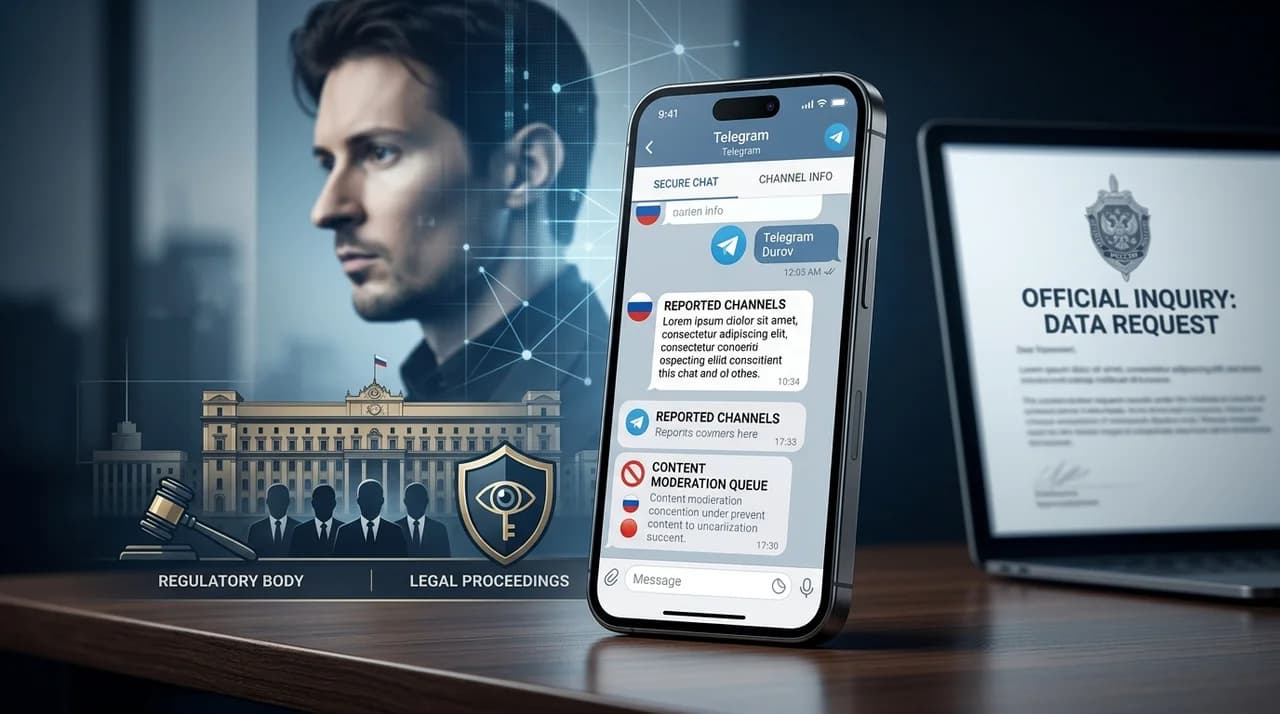
In a significant legal development, the Federal Security Service of the Russian Federation (FSB) has charged Pavel Durov, the founder of the popular messaging platform Telegram, with aiding terrorist activities. This accusation stems from claims that Durov's platform failed to adequately remove channels, chats, and bots that allegedly contained prohibited content, thereby violating Russian law. This case underscores the ongoing friction between social media companies and government regulations in Russia, raising critical questions about the responsibilities of tech companies in managing user-generated content.
Background on Telegram and Pavel Durov
Telegram has emerged as a widely used instant messaging service since its launch in 2013, particularly known for its emphasis on privacy and security. Pavel Durov, a Russian entrepreneur, founded the platform, which has garnered millions of users globally. With features such as end-to-end encryption and self-destructing messages, Telegram has positioned itself as a secure alternative to other messaging apps. However, its popularity has also attracted scrutiny from various governments, including Russia, due to concerns over the potential misuse of the platform for illegal activities.
In recent years, Telegram has become a favored tool for activists, journalists, and ordinary citizens seeking to communicate freely without government surveillance. Yet, this very characteristic has also made it a target for state authorities who argue that it can facilitate the spread of extremist content. The tension between user privacy and state security continues to be a contentious issue, particularly in authoritarian regimes.
FSB's Allegations Against Durov
The FSB's charges against Durov were announced on a Wednesday in October 2023. The agency contends that Telegram has not done enough to eliminate content that promotes terrorism or other illegal activities. According to the FSB, the platform “failed to remove numerous channels, chats, and bots on the platform that are” associated with such content. This statement indicates the FSB's position that Telegram is not just a communication tool but a potential facilitator of criminal activities.
The implications of these allegations are profound, as they suggest that the FSB may be seeking to hold Durov personally accountable for the actions of Telegram's users. This could set a dangerous precedent in which platform founders and executives are legally liable for user-generated content, raising concerns about censorship and the stifling of free expression.
Implications for Social Media Regulation in Russia
This legal action against Durov highlights the broader issue of social media regulation in Russia. The Russian government has increasingly sought to impose stricter controls over online platforms, citing national security and public safety. The FSB's charges may set a precedent for how social media companies operate within the country, potentially leading to more stringent compliance requirements and oversight.
- In recent years, the Russian government has enacted laws requiring social media platforms to store user data on domestic servers and to comply with state requests for user information.
- This trend reflects a global pattern where governments are grappling with the challenges posed by digital communication platforms, often prioritizing state control over user privacy.
- The outcome of Durov's case could influence how other tech companies approach compliance in Russia and similar markets.
Durov's Response and Future Prospects
As of now, Pavel Durov has not publicly responded to the charges. However, given his history of standing firm against governmental pressures, it remains to be seen how he will address the allegations. Durov has previously criticized the Russian government's attempts to regulate the internet and has advocated for user privacy and freedom of expression. His response could significantly impact Telegram's future in Russia and its relationship with the government.
The outcome of this legal battle may also influence Durov's decision to keep Telegram operational in Russia. Should the regulatory environment become too oppressive, he might consider relocating the platform's operations to a more favorable jurisdiction, as he has hinted in the past.
International Reactions and Concerns
The charges against Durov have sparked international reactions, particularly from advocates of free speech and digital rights. Organizations concerned with internet freedom are watching the situation closely, as it raises questions about the balance between national security and individual rights. The case could have implications for how other countries view and regulate social media platforms, especially those that prioritize user privacy.
International observers have expressed concern that the FSB's actions could embolden other governments to impose similar restrictions on social media platforms, potentially leading to a global trend of increased censorship and diminished digital rights. The case serves as a reminder of the fragile nature of digital freedoms in an era where technology is increasingly intertwined with governance.
Conclusion: A Turning Point for Telegram?
The legal troubles facing Pavel Durov and Telegram could represent a turning point for the platform within Russia. As the FSB continues to assert its authority over social media, the future of Telegram may hinge on how it navigates these regulatory challenges. This situation serves as a reminder of the complex interplay between technology, law, and governance in an increasingly digital world.
As Durov and Telegram face these challenges, the outcome will not only affect the platform's operational strategies but may also serve as a critical case study for other tech companies operating in repressive environments. The world will be watching closely to see how this situation unfolds and what it means for the future of digital communication in Russia and beyond.
Key Highlights
- Pavel Durov has been charged by the FSB for allegedly aiding terrorism.
- The FSB claims Telegram failed to remove prohibited content from its platform.
- This case highlights ongoing tensions between Russian authorities and social media.
- Durov has a history of advocating for user privacy and freedom of expression.
- The charges may lead to stricter regulations for social media in Russia.
- International reactions emphasize concerns about free speech and digital rights.
- The outcome could significantly influence Telegram's operations in Russia.
Expert Analysis
Technical Analysis
The technology at the center of this issue is Telegram, an instant messaging platform known for its strong emphasis on privacy and security features, such as end-to-end encryption and self-destructing messages. Telegram allows users to communicate freely, which has made it popular among activists and journalists, but also a target for government scrutiny. The platform's architecture is designed to facilitate secure communication, but it also raises challenges in content moderation, particularly when it comes to illegal or extremist content that may be shared by users.
The allegations against Pavel Durov highlight a significant challenge faced by tech companies: balancing user privacy with the need to comply with government regulations. The FSB's claims that Telegram has not adequately removed channels and bots promoting terrorism suggest a growing expectation for social media platforms to take responsibility for user-generated content. This situation underscores the limitations of current content moderation practices, as the vast amount of data generated on such platforms makes it difficult to monitor and control all content effectively. Furthermore, the legal implications of holding platform founders accountable for user actions could deter innovation and lead to increased censorship, as companies may prioritize compliance over user freedom.
Advantages
- Strong privacy and security features attract users seeking safe communication.
- End-to-end encryption ensures that messages are only accessible to intended recipients.
- Self-destructing messages provide an additional layer of privacy.
- The platform's popularity among activists and journalists supports freedom of expression.
Disadvantages
- Increased scrutiny from governments may lead to censorship and reduced user privacy.
- Legal accountability for user-generated content could deter platform innovation.
Real-World Use Cases
- Activists can use Telegram to organize and communicate securely without fear of government surveillance.
- Journalists may rely on the platform to share sensitive information with sources or colleagues.
- Ordinary users can engage in private conversations without the risk of interception.
- Businesses can utilize Telegram for secure communication with clients and employees.
Business Impact
The legal challenges faced by Pavel Durov could have significant implications for Telegram's operations in Russia and potentially influence its global standing. If the FSB's actions lead to stricter regulations, Telegram may have to adapt its compliance strategies, which could impact its user base and revenue model. Additionally, this case may set a precedent for how other tech companies navigate regulatory environments in authoritarian regimes, potentially reshaping the landscape of social media operations in such markets.
Competitors may also take note of the situation, as they assess their own compliance strategies and user engagement approaches in light of potential government scrutiny. The outcome of Durov's case could influence the broader industry, prompting companies to reevaluate their content moderation practices and user privacy policies to avoid similar legal challenges.
User Impact
Users who prioritize privacy and security may benefit from Telegram's features, as the platform has been designed to protect user communications. However, the ongoing legal issues may create uncertainty about the platform's future in Russia, potentially leading users to seek alternative messaging services if they perceive a threat to their privacy. Ordinary users should care about this situation as it reflects broader trends in digital rights and government control over online communication, which could affect their ability to express themselves freely and securely in the future.
Security & Privacy
The ongoing legal scrutiny of Telegram raises significant concerns about user privacy and data security. If the FSB's demands lead to increased content moderation and compliance measures, this could compromise the platform's commitment to user privacy. Furthermore, the potential for government oversight may deter users from utilizing Telegram for sensitive communications, as they may fear that their data could be accessed or monitored by state authorities.
Future Outlook
In the near term, the legal proceedings against Pavel Durov may prompt Telegram to reassess its operational strategies in Russia, potentially leading to changes in content moderation practices. The outcome could also influence how other tech companies approach compliance in similar regulatory environments, possibly resulting in a trend toward increased censorship and reduced user freedoms. As governments continue to grapple with the challenges posed by digital communication platforms, the industry may see a shift toward more stringent regulations that prioritize state security over user privacy.
Expert Summary
The legal charges against Pavel Durov are a critical development in the ongoing tension between technology and government regulation in Russia. This situation warrants attention from tech companies, digital rights advocates, and users alike, as it highlights the precarious balance between user privacy and state control. The outcome of this case could have far-reaching implications for how social media platforms operate in repressive environments, making it a pivotal moment for the future of digital communication.
Originally reported by The Hacker News.