
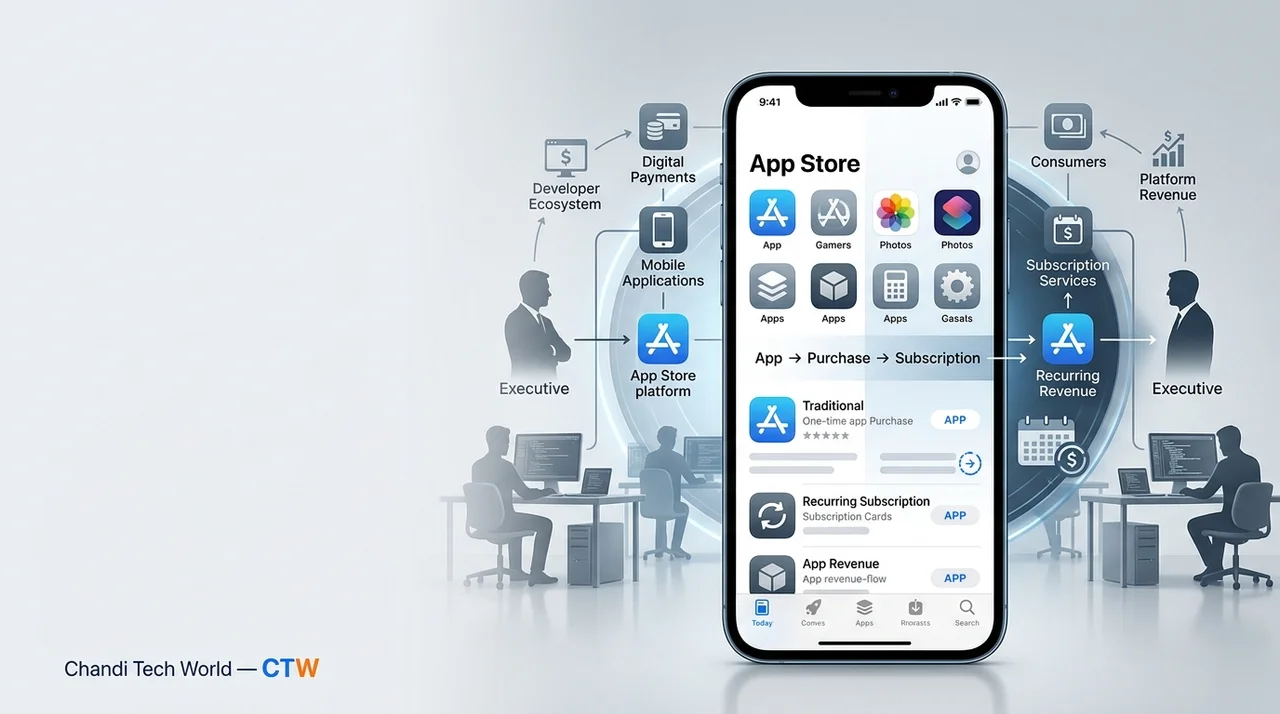
Phil Schiller, a long-time Apple executive and influential figure in the management of the App Store, has reportedly exited his role amid concerns about the platform's future direction. His departure raises questions about the evolving strategies under new leadership, particularly concerning revenue generation approaches. With the App Store being a critical revenue stream for Apple, the implications of this transition are significant, not just for the company but also for the broader developer ecosystem.
Background on Phil Schiller's Role
Phil Schiller has been a pivotal player at Apple for over three decades, significantly shaping the company’s product marketing and strategy. As the former Senior Vice President of Worldwide Marketing, Schiller played a key role in the launch of various iconic products, including the iPhone and iPad. His influence extended into the App Store, where he was instrumental in its initial development and growth. Schiller’s deep understanding of the tech landscape and his ability to connect with developers were vital in establishing the App Store as a premier platform for app distribution and monetization.
New Leadership Under John Ternus
With Schiller's departure, the App Store now falls under the leadership of John Ternus, who has recently taken on the role of CEO. Ternus, known for his engineering background, has a vision for the App Store that includes a stronger emphasis on recurring revenue streams. This shift marks a significant strategic pivot for the platform, which has traditionally relied on one-time app purchases and in-app transactions. Ternus’ engineering expertise may bring a fresh perspective to the App Store, potentially leading to innovative features and enhancements that could attract more developers and users alike.
Concerns Over Recurring Revenue Strategies
Reports indicate that Schiller had reservations regarding Ternus’ strategy to enhance recurring revenue from the App Store. This approach may involve subscription models or other continuous payment methods that could change the way developers monetize their applications. Schiller's apprehensions suggest a potential clash in vision regarding how to sustain and grow the App Store's revenue in a competitive landscape. The move towards subscriptions could also reflect broader trends in the tech industry, where companies are increasingly focusing on predictable revenue streams. However, this shift could also alienate developers who have built their businesses around one-time purchases, raising concerns about the long-term viability of their apps.
The Implications of Schiller's Exit
Schiller's exit could signal a broader shift in Apple's approach to app monetization and platform management. If Ternus’ strategies are implemented, developers may need to adapt to new revenue models that prioritize ongoing subscriptions over traditional purchase methods. This could lead to a fundamental change in the relationship between developers and the App Store. For many developers, the transition to a subscription model could necessitate significant changes in their app offerings and marketing strategies, as they would need to provide ongoing value to retain subscribers. Furthermore, this shift could impact user behavior, as consumers may become more selective about the apps they subscribe to, potentially leading to a decline in app downloads and revenue for those who do not adapt effectively.
Industry Reactions and Future Outlook
The tech industry is closely watching these developments, as Schiller's departure could influence Apple's standing among developers. Many in the developer community have expressed concerns about the sustainability of their revenue under new models. As Apple navigates these changes, it will be crucial for the company to maintain developer trust and ensure that the App Store remains a viable platform for app creators. The company may need to implement supportive measures, such as improved tools for developers or clearer guidelines on revenue sharing, to alleviate concerns and foster a collaborative environment.
Conclusion
Phil Schiller's exit from the App Store highlights the tensions that can arise during leadership transitions, especially when it comes to strategic direction. With John Ternus at the helm, Apple is poised to explore new revenue avenues that could redefine the App Store experience for both developers and consumers. As these changes unfold, the tech community will be keenly observing the impact on app monetization and the overall ecosystem. The success of Ternus’ strategies will depend not only on their execution but also on how well Apple can balance innovation with the needs and expectations of its developer community. The coming months will be critical in determining the future trajectory of the App Store and its role within Apple's broader business strategy.
Key Highlights
- Phil Schiller has left his role at Apple’s App Store amidst strategic concerns.
- John Ternus, the new CEO, aims to increase recurring revenue from the App Store.
- Schiller reportedly disagreed with Ternus' revenue strategies.
- The departure raises questions about future app monetization approaches.
- Developers may need to adapt to new subscription models under Ternus.
- Schiller's influence on the App Store has been significant for over 30 years.
- The tech industry is closely monitoring the implications of this leadership change.
Expert Analysis
Technical Analysis
The article discusses a significant leadership change at Apple regarding the management of the App Store, particularly the departure of Phil Schiller and the new strategies under John Ternus. While no specific technologies are mentioned, the focus is on the strategic direction of revenue generation for the App Store. The shift towards recurring revenue models, such as subscriptions, represents a fundamental change in how developers monetize their applications. This approach aims to create a more predictable revenue stream for Apple, aligning with broader industry trends where companies are increasingly adopting subscription-based models.
The implications of this strategic pivot are profound. It suggests a move away from traditional one-time purchases and in-app transactions, which have been the mainstay of the App Store's revenue model. This shift could lead to technical improvements in app offerings, as developers will need to provide ongoing value to retain subscribers. However, it also poses limitations, as existing developers who rely on one-time purchases may face challenges in adapting to this new model, potentially impacting their revenue and user engagement.
Advantages
- Potential for increased and predictable revenue streams for Apple and developers through subscriptions.
- Encourages developers to innovate and enhance their apps to provide ongoing value to users.
- Aligns with broader industry trends towards subscription models, potentially attracting more developers to the platform.
- May lead to improved tools and support from Apple for developers navigating the new revenue landscape.
Disadvantages
- Developers accustomed to one-time purchases may struggle to adapt to subscription models, risking their revenue.
- Concerns about alienating developers who have built their businesses around traditional monetization strategies.
- Potential decline in app downloads and revenue for developers who do not effectively transition to the new model.
Real-World Use Cases
- Developers can create subscription-based apps that offer ongoing services or content, such as fitness apps or streaming services.
- Businesses can leverage the App Store to implement recurring billing for enterprise applications, enhancing customer retention.
- Educational institutions can develop subscription-based learning platforms that provide continuous access to resources and updates.
- Startups can explore innovative subscription models that differentiate their offerings in a competitive market.
Business Impact
The departure of Phil Schiller and the shift in revenue strategy under John Ternus could significantly impact Apple's market position and its relationship with developers. As the App Store evolves towards a subscription-based model, it may attract new developers while challenging existing ones to adapt. This transition could redefine the competitive landscape, with Apple potentially increasing its revenue share from ongoing subscriptions. The success of these strategies will likely influence Apple's overall business strategy and its ability to maintain developer trust and loyalty.
User Impact
Ordinary users may benefit from enhanced app offerings as developers strive to provide ongoing value to justify subscription costs. However, users could also face increased costs if they choose to subscribe to multiple apps. The shift to subscription models may lead to a more selective approach to app downloads, as consumers weigh the value of ongoing payments against one-time purchases. Overall, users should pay attention to how these changes could affect their app experiences and costs in the near future.
Security & Privacy
Security and privacy analysis not applicable.
Future Outlook
In the near term, the App Store is likely to see a surge in subscription-based apps as developers respond to the new revenue strategies. This could lead to innovative features and enhancements aimed at retaining subscribers. However, the success of these changes will depend on how well Apple supports developers during this transition and addresses their concerns about revenue sustainability. The industry will be closely monitoring these developments to gauge their impact on app monetization and the overall ecosystem.
Expert Summary
Phil Schiller's exit from the App Store marks a pivotal moment for Apple as it navigates a shift towards subscription-based revenue models under new leadership. This change has significant implications for both developers and users, making it essential for stakeholders to stay informed about the evolving landscape. As Apple seeks to balance innovation with developer needs, the outcomes of these strategies will be critical for the future of the App Store and its role in the tech ecosystem.
Originally reported by TechCrunch.



