
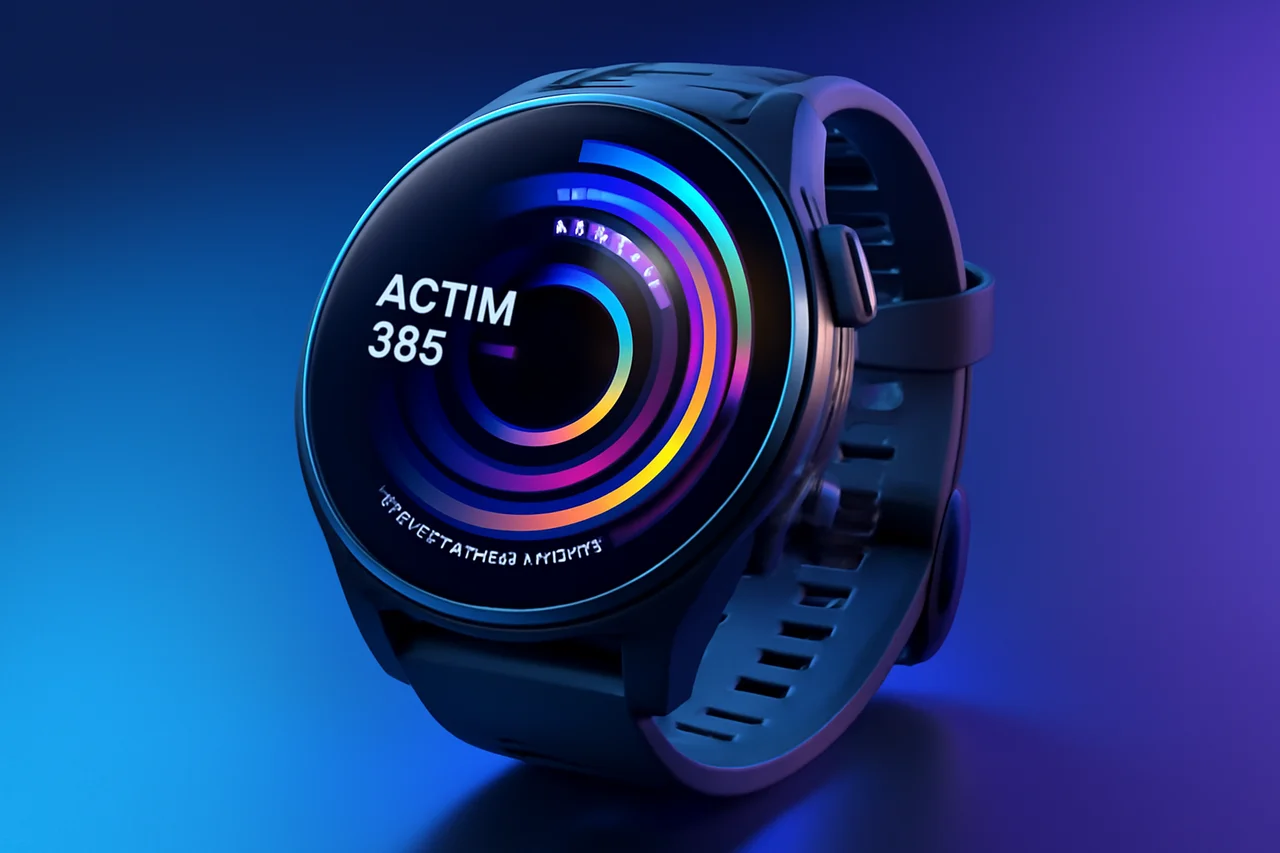
The smartwatch market is filled with a variety of options, making it a challenge for any new entrant to stand out. Google’s Pixel Watch has certainly caught the attention of many with its sleek design and advanced features, but for some, like myself, it still falls short in critical areas. After extensive experience with smartwatches from brands like Garmin, Apple, and Samsung, I’ve developed a clear understanding of what I expect from a wearable device. Despite the allure of the Pixel Watch, there are five significant changes I believe Google needs to implement before I can confidently make a purchase.
The Allure of the Pixel Watch
One of the most striking features of the Pixel Watch is its stunning Actua 360 display, which boasts a domed design that enhances its aesthetic appeal. This display technology not only makes the watch visually appealing but also improves visibility in various lighting conditions, a crucial aspect for outdoor enthusiasts and fitness aficionados alike. Coupled with a polished silver aluminum case and a metal band, the watch presents a sophisticated look that is hard to ignore. Additionally, the dual-frequency GPS functionality is a significant upgrade, providing accuracy that rivals the best fitness watches available today. This feature is particularly beneficial for runners and cyclists who need precise tracking of their routes and performance metrics. Google's commitment to enhancing its fitness and health suite also shows promise, positioning it to compete more effectively with established players like Apple and Samsung, who have long dominated the market.
Five Changes Needed for the Pixel Watch
Despite these attractive features, I remain hesitant to replace my current smartwatches with the Pixel Watch. Here are the five changes that I believe are essential for Google to attract more users:
- Battery Life: The current battery performance does not meet the expectations set by competitors. A longer-lasting battery is crucial for any smartwatch, especially for fitness enthusiasts who may rely on continuous tracking during long workouts or outdoor adventures. A smartwatch that can last multiple days without needing a charge would be a game-changer.
- App Ecosystem: The app selection for the Pixel Watch needs to expand significantly. A robust ecosystem is vital for maximizing the watch's potential and enhancing user experience. Currently, the limited app offerings can hinder the overall functionality of the device, making it less appealing to users who rely on specific applications for their daily activities.
- Customization Options: Users should have the ability to customize watch faces and features to suit their personal preferences better. Increased flexibility would make the watch more appealing, allowing users to express their individuality and tailor their smartwatch experience to their lifestyle.
- Integration with Other Devices: Seamless integration with other Google services and devices is necessary. This would enhance the overall user experience and make the watch a more integral part of the Google ecosystem. Users expect their devices to work harmoniously, and any friction in connectivity can lead to frustration.
- Price Point: The Pixel Watch needs to be competitively priced. While premium features are attractive, they must align with consumer expectations regarding value. A pricing strategy that reflects the features and performance of the watch, while remaining accessible to a broader audience, will be crucial for its success.
Comparative Analysis
When comparing the Pixel Watch to competitors like the Garmin Forerunner, Apple Watch, and Samsung Galaxy Watch, it's clear that each brand has its strengths. Garmin excels in fitness tracking, offering advanced metrics and features that cater to serious athletes. Apple provides a comprehensive app ecosystem that enhances the functionality of its devices, making it a favorite among tech-savvy consumers. Samsung strikes a balance between functionality and style, appealing to those who want a smartwatch that looks good while offering robust features. For the Pixel Watch to compete effectively, it must not only match these strengths but also address its weaknesses, particularly in areas that matter most to potential buyers.
Consumer Expectations
As a consumer, my expectations are shaped by years of experience with various smartwatches. I have run nearly 2,000 miles with different devices on my wrist, and I know firsthand what features enhance usability and performance. My experiences have taught me that a smartwatch should not only be stylish but also functional and reliable. Google is making strides with the Pixel Watch, but until it addresses the aforementioned issues, I cannot justify making the switch. The market is saturated with options, and consumers are looking for devices that not only meet but exceed their expectations.
A Hopeful Outlook
Despite my reservations, I remain hopeful about the future of the Pixel Watch. Google has shown that it is willing to innovate and improve its products, as evidenced by the enhancements seen in the Pixel Watch 5. As the company continues to refine its smartwatch, I look forward to seeing how it evolves and whether it can win over skeptical users like myself. The potential for growth is significant, and if Google can address these key areas, the Pixel Watch could very well become a leading contender in the smartwatch arena.
Conclusion
In conclusion, the Pixel Watch has the potential to be a formidable player in the smartwatch market. However, for it to truly compete with established brands, Google must implement the necessary changes that address consumer needs and expectations. Until then, I will continue to enjoy my current lineup of smartwatches while keeping an eye on the developments from Google. The journey of the Pixel Watch is just beginning, and I remain optimistic that it will rise to meet the challenges ahead.
Key Highlights
- The Pixel Watch features a stunning Actua 360 display and dual-frequency GPS.
- Five key changes are needed for the Pixel Watch to compete effectively.
- Battery life, app ecosystem, and customization options are critical improvements.
- Integration with other Google devices is essential for a seamless experience.
- The current price point of the Pixel Watch may deter potential buyers.
Expert Analysis
Technical Analysis
The Pixel Watch incorporates advanced technologies such as the Actua 360 display and dual-frequency GPS. The Actua 360 display features a unique domed design that enhances visibility in various lighting conditions, making it particularly appealing for outdoor activities. This display technology not only improves aesthetics but also functionality, as it allows users to view information more clearly in bright sunlight. The dual-frequency GPS is another significant advancement, providing precise tracking capabilities that are essential for fitness enthusiasts, particularly runners and cyclists who rely on accurate route and performance metrics.
Despite these innovations, the Pixel Watch faces challenges that may hinder its adoption. Key improvements are needed in battery life, app ecosystem, customization options, device integration, and pricing strategy. Current battery performance does not meet user expectations, especially for those who engage in extended outdoor activities. Additionally, a limited app selection restricts the watch's overall functionality, while the need for greater customization options and seamless integration with other Google services remains a priority for potential users. These limitations must be addressed to enhance the watch's competitiveness in a crowded market.
Advantages
- Attractive Actua 360 display that enhances visibility and aesthetics.
- Dual-frequency GPS provides accurate tracking for fitness activities.
- Sleek design with a polished aluminum case and metal band.
- Potential for integration with Google services, enhancing user experience.
Disadvantages
- Current battery life does not meet expectations for fitness enthusiasts.
- Limited app ecosystem restricts functionality and user experience.
Real-World Use Cases
- Outdoor enthusiasts can utilize the dual-frequency GPS for accurate tracking during runs and cycling.
- Users looking for a stylish smartwatch can benefit from the Actua 360 display's aesthetic appeal.
- Fitness enthusiasts may rely on the watch for tracking workouts, provided battery life is improved.
- Individuals seeking seamless integration with Google services can use the watch to enhance their connected experience.
Business Impact
The smartwatch market is highly competitive, with established players like Apple, Garmin, and Samsung dominating the landscape. Google's Pixel Watch, while visually appealing and technologically advanced, must address critical shortcomings to capture market share. By improving battery life, expanding the app ecosystem, and enhancing customization options, Google could position itself as a formidable competitor. This could lead to increased revenue opportunities and a stronger foothold in the wearable technology sector, particularly as consumer expectations continue to evolve.
As the smartwatch market matures, companies that can innovate and adapt to consumer needs will likely see significant growth. Google's willingness to refine the Pixel Watch suggests a commitment to competing effectively, which could reshape industry dynamics if successful.
User Impact
Consumers who prioritize style and advanced features may find the Pixel Watch appealing, particularly with its unique display and GPS capabilities. However, those who rely heavily on battery life and a robust app ecosystem may be disappointed by the current limitations. Ordinary users should care about these developments as they indicate the direction of wearable technology and its potential to enhance daily life. If Google addresses the highlighted issues, the Pixel Watch could become a worthwhile investment for a broader audience seeking a reliable smartwatch.
Security & Privacy
Security and privacy analysis not applicable.
How It Compares
- Pixel Watch's battery life is currently inferior to competitors like Garmin and Apple.
- The app ecosystem for the Pixel Watch is less developed compared to the Apple Watch.
- Customization options on the Pixel Watch are limited compared to offerings from Samsung.
Future Outlook
In the near term, Google is expected to focus on addressing the key areas of improvement identified by users and reviewers. Enhancements in battery technology, expansion of the app ecosystem, and increased customization options could be on the roadmap for future iterations of the Pixel Watch. As Google continues to innovate, the potential for the Pixel Watch to evolve into a leading smartwatch is significant, particularly if it can effectively meet consumer demands and expectations.
The industry direction suggests a growing emphasis on integration and user experience, which could lead to more cohesive ecosystems among devices. If Google successfully aligns the Pixel Watch with its broader suite of services, it may attract a more diverse user base and strengthen its position in the competitive smartwatch market.
Expert Summary
The discussion surrounding the Pixel Watch highlights the critical balance between innovation and user expectations in the smartwatch market. With its advanced display and GPS features, Google has laid a solid foundation, but significant improvements are necessary to compete with established brands. Consumers and industry stakeholders should pay attention to how Google addresses these challenges, as the outcome could reshape the wearable technology landscape. Overall, the Pixel Watch has potential, but its success hinges on Google's ability to respond to consumer needs effectively.
Originally reported by Android Authority.



