
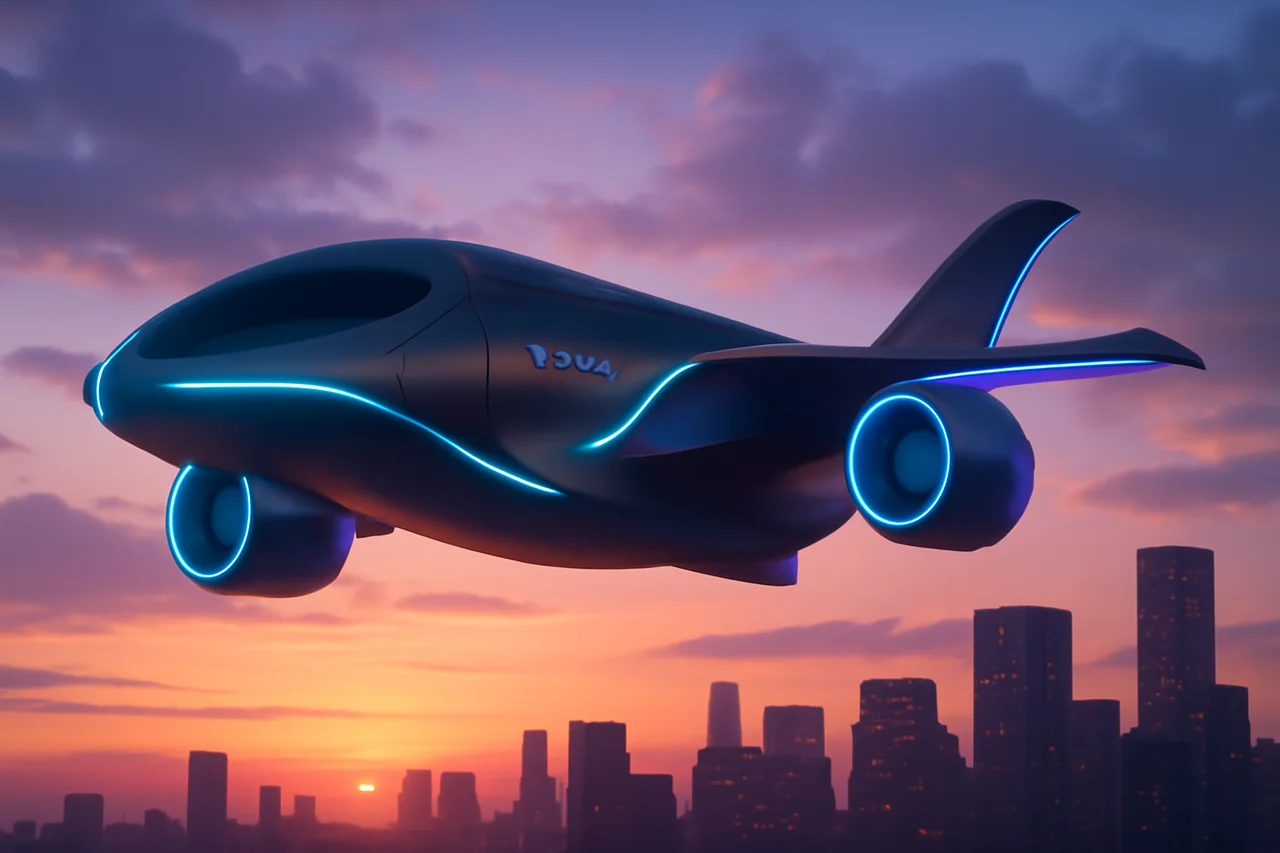
In a significant move for the future of cargo transportation, Poseidon Aerospace has announced it has secured $60 million in funding. This investment comes just ahead of the company's inaugural pilotless test flight, marking a pivotal moment for the startup as it aims to revolutionize the economics of cargo aircraft. The funding not only underscores the growing interest in autonomous flight technology but also positions Poseidon Aerospace as a key player in the evolving landscape of logistics and air freight.
Funding to Propel Innovation
The $60 million raised is expected to accelerate Poseidon Aerospace's development of pilotless cargo aircraft. By eliminating the need for pilots, the company believes it can significantly reduce operational costs and enhance the efficiency of air cargo transport. This funding round reflects growing investor confidence in the potential of autonomous flight technology. Investors are increasingly recognizing that the integration of automation in aviation could lead to substantial cost savings and operational efficiencies, making it a lucrative area for investment.
Rethinking Cargo Aircraft Operations
Poseidon Aerospace is at the forefront of a transformative approach to cargo logistics. The startup's strategy hinges on completely removing pilots from the operation of cargo aircraft. This bold move is not just about cutting costs; it also aims to streamline operations and improve safety by minimizing human error. The implications of this shift could be vast, affecting supply chains and logistics on a global scale. By automating flight operations, Poseidon Aerospace could potentially reduce delays caused by crew scheduling and availability, thereby enhancing the reliability of air freight services.
The Future of Autonomous Flight
The aviation industry has been gradually moving towards automation, but Poseidon Aerospace’s focus on pilotless cargo aircraft represents a significant leap forward. The startup's vision aligns with broader trends in the industry, where companies are increasingly exploring the use of drones and autonomous vehicles for various applications. As regulations evolve and technology advances, the feasibility of pilotless operations is becoming more realistic. The ongoing development of artificial intelligence and machine learning technologies will further bolster the capabilities of autonomous systems, enabling them to operate safely and efficiently in complex airspace environments.
Potential Economic Impact
By rethinking the traditional model of cargo aircraft, Poseidon Aerospace could potentially reshape the economics of air freight. The reduction in crew costs, combined with the efficiency gained from automation, could lead to lower shipping rates and faster delivery times. This could make air freight a more attractive option for businesses looking to optimize their logistics. Moreover, as companies increasingly seek to reduce their carbon footprints, the potential for more efficient aircraft operations could align with global sustainability goals, making pilotless cargo aircraft not only economically viable but also environmentally responsible.
Challenges Ahead
Despite the promising outlook, Poseidon Aerospace will face several challenges as it moves forward. Regulatory hurdles, public perception of pilotless aircraft, and the technical complexities of ensuring safety and reliability will all need to be addressed. The startup's success will depend on its ability to navigate these challenges while demonstrating the viability of its technology. Gaining regulatory approval for pilotless operations will require extensive testing and validation to ensure that safety standards are met. Additionally, public acceptance of pilotless aircraft will be crucial, as consumers and businesses alike will need to trust the technology before it can be widely adopted.
Looking Forward
With $60 million in funding, Poseidon Aerospace is poised to take significant strides in the development of pilotless cargo aircraft. As the company prepares for its first test flight, the aviation industry will be watching closely. If successful, Poseidon Aerospace could pave the way for a new era in cargo transportation, characterized by efficiency and innovation. The implications of this technology extend beyond just the company itself; they could redefine the future of logistics, affecting how goods are transported globally and potentially leading to a more interconnected and efficient supply chain.
Key Highlights
- Poseidon Aerospace has raised $60 million ahead of its first pilotless test flight.
- The startup aims to transform cargo aircraft operations by removing pilots entirely.
- This funding will accelerate the development of their autonomous flight technology.
- The shift to pilotless operations could significantly reduce operational costs.
- Poseidon Aerospace's approach may reshape global supply chains and logistics.
- Challenges such as regulatory hurdles and safety concerns remain ahead.
- The company is set to demonstrate its technology's viability with upcoming test flights.
Expert Analysis
Technical Analysis
Poseidon Aerospace is developing pilotless cargo aircraft, leveraging advancements in autonomous flight technology to eliminate the need for human pilots. This technology operates through sophisticated algorithms and artificial intelligence, which enable the aircraft to navigate and operate safely in complex airspace environments. By automating flight operations, the company aims to streamline logistics, reduce operational costs, and enhance safety by minimizing human error. This shift not only addresses the economic challenges faced by traditional cargo transport but also aligns with the growing demand for more efficient and environmentally friendly logistics solutions.
The primary technical improvement offered by Poseidon Aerospace's approach is the significant reduction in crew-related costs, which can lead to lower shipping rates and faster delivery times. However, the technology also faces limitations, including the need for extensive regulatory approvals and public acceptance. Ensuring the safety and reliability of pilotless operations is paramount, and the company must navigate complex regulatory frameworks while demonstrating the efficacy of its technology through rigorous testing and validation.
Advantages
- Significant reduction in operational costs due to the elimination of pilot salaries.
- Enhanced efficiency in cargo transport operations, potentially leading to faster delivery times.
- Improved safety by minimizing human error in flight operations.
- Potential alignment with global sustainability goals through more efficient aircraft operations.
Disadvantages
- Regulatory hurdles that may delay the approval of pilotless operations.
- Public perception challenges regarding the safety and reliability of pilotless aircraft.
Real-World Use Cases
- Logistics companies can utilize pilotless cargo aircraft to optimize their supply chains, reducing costs and improving delivery times.
- E-commerce businesses may adopt pilotless air freight to enhance their shipping capabilities and meet customer demands for faster delivery.
- Air freight operators can integrate pilotless technology to streamline operations and reduce delays associated with crew scheduling.
Business Impact
The successful development and deployment of pilotless cargo aircraft could significantly disrupt the logistics and air freight industry. By reducing operational costs and improving efficiency, Poseidon Aerospace may attract a new wave of investment and interest in autonomous flight technology. Competitors in the air freight sector will need to adapt to this innovation or risk losing market share as businesses seek more cost-effective and reliable shipping solutions. This could lead to a broader transformation in the industry, with increased competition driving further advancements in automation and efficiency.
Moreover, as the demand for environmentally responsible logistics solutions grows, Poseidon Aerospace's pilotless aircraft could position the company favorably in a market increasingly focused on sustainability. This opens up new revenue opportunities and partnerships with businesses looking to reduce their carbon footprints.
User Impact
Ordinary users may benefit indirectly from the advancements in pilotless cargo aircraft through lower shipping costs and faster delivery times as logistics companies adopt this technology. However, there may be concerns regarding the safety and reliability of pilotless operations, which could affect public perception. While the technology promises significant improvements in efficiency, it is essential for consumers to remain informed about the developments and regulatory approvals surrounding pilotless aircraft. Overall, the adoption of this technology could be worth monitoring for those interested in the future of logistics and air freight.
Security & Privacy
Security and privacy analysis not applicable.
Future Outlook
In the near term, Poseidon Aerospace is expected to focus on conducting its inaugural pilotless test flight, which will be a critical milestone in demonstrating the viability of its technology. As the company navigates regulatory challenges and public perception, it may also seek partnerships with established logistics firms to facilitate the integration of pilotless aircraft into existing supply chains. The ongoing advancements in artificial intelligence and machine learning will likely enhance the capabilities of autonomous systems, making them safer and more efficient in the long run.
Looking ahead, the aviation industry may see a gradual shift towards greater acceptance of pilotless operations, particularly as successful test flights and positive safety records emerge. This could lead to a broader adoption of autonomous technologies across various sectors, further reshaping the landscape of air freight and logistics.
Expert Summary
The announcement of Poseidon Aerospace's $60 million funding for pilotless cargo aircraft testing marks a significant step towards transforming the logistics industry. Stakeholders in aviation, logistics, and technology should pay close attention to the developments in autonomous flight technology, as it has the potential to redefine cargo transportation. The implications of this technology extend beyond operational efficiencies, potentially impacting global supply chains and sustainability efforts. Overall, the progress of Poseidon Aerospace could be a pivotal moment in the evolution of air freight.
Originally reported by TechCrunch.



