
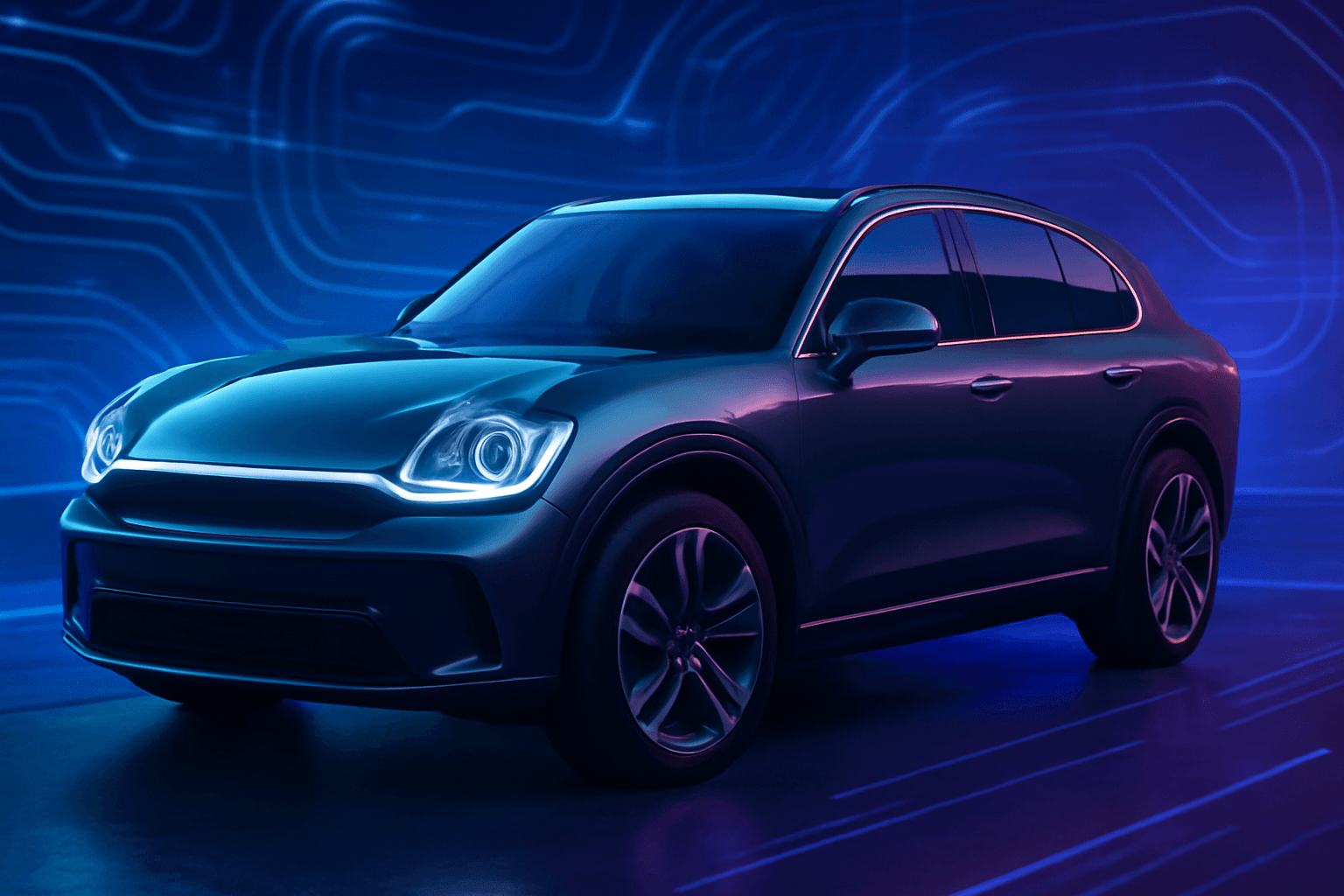
The automotive industry is witnessing a significant shift as manufacturers increasingly embrace electric vehicles (EVs). Among them, Range Rover has introduced its new Range Rover Electric, a model that strikingly resembles its traditional gas-powered counterparts. This decision not only reflects a growing trend among automakers but also emphasizes the importance of maintaining brand identity while transitioning to electric mobility.
Familiar Design Language
One of the most notable aspects of the Range Rover Electric is its design. Instead of opting for a radical reimagining of what an electric SUV should look like, Range Rover has chosen to stick with its iconic aesthetics. This approach stands in contrast to many other manufacturers that have embraced futuristic designs for their EVs. By retaining familiar design elements, Range Rover aims to appeal to its loyal customer base who appreciate the brand's heritage.
The exterior of the Range Rover Electric features the same bold lines and distinctive silhouette that have defined the brand for decades. This consistency in design is crucial for maintaining brand loyalty, especially as consumers become more environmentally conscious but still desire the luxury and performance that Range Rover is known for. The decision to keep the design familiar allows existing customers to transition to electric without feeling like they are abandoning the brand they love.
Performance Specifications
Underneath its classic exterior, the Range Rover Electric is equipped with advanced technology. The vehicle features twin permanent magnet 260kW electric motors, providing robust performance and efficiency. These motors are powered by a double-stacked 118.5 kWh lithium-ion battery, which not only supports the vehicle's electric capabilities but also contributes to an impressive estimated range of 330 real-world miles. This range is particularly significant, as it alleviates concerns about the practicality of electric vehicles for everyday use.
The performance specifications of the Range Rover Electric position it as a formidable contender in the electric SUV market. With its powerful motors, the vehicle can accelerate quickly and handle steep inclines with ease, making it suitable for both urban commuting and adventurous off-road excursions. The substantial battery capacity also means that drivers can enjoy longer trips without the anxiety of frequent recharging, a common concern among potential EV buyers.
All-Wheel Drive Capability
Another key feature of the Range Rover Electric is its all-wheel drive system. This technology enhances the vehicle's performance across various terrains, ensuring that it can handle both urban and off-road environments effectively. The combination of electric motors and an all-wheel drive system positions the Range Rover Electric as a versatile option in the growing EV market.
All-wheel drive is particularly advantageous for an SUV, as it provides better traction and stability, especially in adverse weather conditions or rough terrain. Range Rover has a long-standing reputation for producing vehicles that excel in off-road conditions, and the electric variant is no exception. This capability is essential for customers who seek adventure and exploration, reinforcing the brand's commitment to versatility and performance.
Balancing Innovation and Tradition
The decision to maintain a traditional design while integrating cutting-edge technology showcases Range Rover's strategy of balancing innovation with its established brand identity. By doing so, the company hopes to attract both existing customers who are loyal to the brand and new buyers who are exploring electric options. This blend of familiarity and modernity may set a precedent for other automakers as they navigate the evolving landscape of electric vehicles.
As more consumers become environmentally conscious, the ability to offer a vehicle that aligns with their values while still providing the luxury and performance they expect is crucial. Range Rover's approach could inspire other manufacturers to consider how they can innovate without alienating their core customer base. The success of the Range Rover Electric may encourage further investment in electric technologies across the automotive industry.
The Future of Electric SUVs
As the automotive industry continues to pivot towards electrification, the Range Rover Electric serves as a compelling example of how brands can evolve without losing their essence. With its familiar design and impressive specifications, it is poised to make a significant impact in the electric SUV market. The model's introduction underscores the importance of understanding consumer preferences while also embracing technological advancements.
The electric vehicle market is rapidly expanding, and consumer demand for SUVs is particularly strong. By entering this segment with a model that retains the beloved characteristics of its gas-powered predecessors, Range Rover is strategically positioned to capture the interest of both traditional SUV buyers and those looking to switch to electric. This dual appeal could be a game changer in a competitive market.
Conclusion
In summary, the Range Rover Electric represents a thoughtful approach to electric vehicle design and performance. By maintaining the traditional aesthetics that have made Range Rover a household name, the company is not only respecting its legacy but also paving the way for a sustainable future in the automotive industry. As more consumers consider electric vehicles, the Range Rover Electric's blend of familiarity and innovation may resonate well, making it a noteworthy contender in the EV landscape.
As we look ahead, the success of the Range Rover Electric could influence other automakers to adopt similar strategies, emphasizing the importance of brand identity in the transition to electric mobility. The future of electric SUVs is bright, and with models like the Range Rover Electric leading the charge, consumers can expect a harmonious blend of tradition and innovation in their next vehicle purchase.
Key Highlights
- Range Rover Electric maintains the classic design of its gas-powered models.
- The new EV features twin permanent magnet 260kW electric motors.
- It is powered by a double-stacked 118.5 kWh lithium-ion battery.
- The estimated range of the Range Rover Electric is 330 real-world miles.
- Its all-wheel drive system enhances performance across various terrains.
- The model reflects a balance between brand tradition and modern technology.
- Range Rover aims to appeal to both loyal customers and new EV buyers.
- The introduction of this EV underscores the shift towards electric mobility.
Expert Analysis
Technical Analysis
The Range Rover Electric utilizes advanced electric vehicle technology, featuring twin permanent magnet 260kW electric motors and a substantial 118.5 kWh lithium-ion battery. This configuration allows for robust performance, with the vehicle achieving an estimated range of 330 real-world miles. The use of electric motors not only enhances efficiency but also provides instant torque, enabling quick acceleration and the ability to tackle steep inclines, which is essential for both urban driving and off-road adventures. The all-wheel drive system further enhances traction and stability across various terrains, making it a versatile option in the electric SUV market.
What sets the Range Rover Electric apart is its commitment to maintaining the brand's iconic design while integrating modern technology. This approach addresses the common concern among consumers about the practicality of electric vehicles, as the substantial battery capacity alleviates range anxiety. However, while the vehicle excels in performance and design retention, it may face limitations in terms of charging infrastructure and the overall cost of electric vehicles, which can be a barrier for some potential buyers.
Advantages
- Familiar design appeals to loyal customers and maintains brand identity.
- Robust performance with twin 260kW electric motors for quick acceleration.
- Impressive range of 330 miles alleviates range anxiety for everyday use.
- All-wheel drive capability enhances traction and stability in various conditions.
- Combines luxury and performance with electric efficiency, appealing to environmentally conscious consumers.
Disadvantages
- No major disadvantages reported yet.
Real-World Use Cases
- Urban commuting for individuals seeking a luxury electric vehicle.
- Off-road adventures for outdoor enthusiasts who require a capable SUV.
- Transitioning existing Range Rover customers to electric without compromising on brand loyalty.
- Attracting new buyers interested in electric vehicles while retaining classic design elements.
- Corporate fleets looking for sustainable yet luxurious vehicle options.
Business Impact
The introduction of the Range Rover Electric positions the brand strategically within the expanding electric vehicle market, particularly in the SUV segment, which is experiencing strong consumer demand. By maintaining its traditional aesthetics, Range Rover is likely to capture the interest of both loyal customers and new buyers, potentially increasing market share against competitors who may not prioritize brand identity in their electric offerings. This move could also encourage further investment in electric technologies across the automotive industry, as other manufacturers may look to replicate this successful blend of innovation and tradition.
As the electric vehicle market grows, Range Rover's approach may influence industry trends, prompting other automakers to consider how they can evolve while respecting their heritage. This could lead to a more diverse range of electric vehicles that appeal to a broader audience, ultimately driving revenue opportunities in a competitive landscape.
User Impact
Consumers who are loyal to the Range Rover brand will benefit from the introduction of the Range Rover Electric, as it allows them to transition to electric mobility without sacrificing the design and performance they value. This model is particularly appealing to environmentally conscious buyers who still desire luxury and capability in their vehicles. However, potential buyers who are more price-sensitive or those who are concerned about charging infrastructure may find the transition to an electric SUV challenging. Overall, ordinary users should care about this development as it represents a significant step towards sustainable luxury in the automotive sector, making it worth considering for their next vehicle purchase.
Security & Privacy
Security and privacy analysis not applicable.
Future Outlook
In the near term, the Range Rover Electric is expected to influence other automakers to adopt similar strategies that balance innovation with brand identity. As consumer preferences shift towards electric vehicles, the success of this model could lead to further advancements in battery technology and charging infrastructure, making electric SUVs more accessible. Additionally, as Range Rover continues to refine its electric offerings, we may see enhancements in performance, range, and overall user experience, solidifying its position in the competitive electric vehicle market.
Expert Summary
The unveiling of the Range Rover Electric is a significant development in the automotive industry, highlighting the importance of brand identity in the transition to electric mobility. This model not only caters to existing customers but also positions Range Rover to attract new buyers in the growing electric vehicle market. Stakeholders in the automotive sector, including manufacturers and consumers, should pay attention to how this blend of tradition and innovation could shape future vehicle designs and consumer expectations.
Originally reported by The Verge.



