
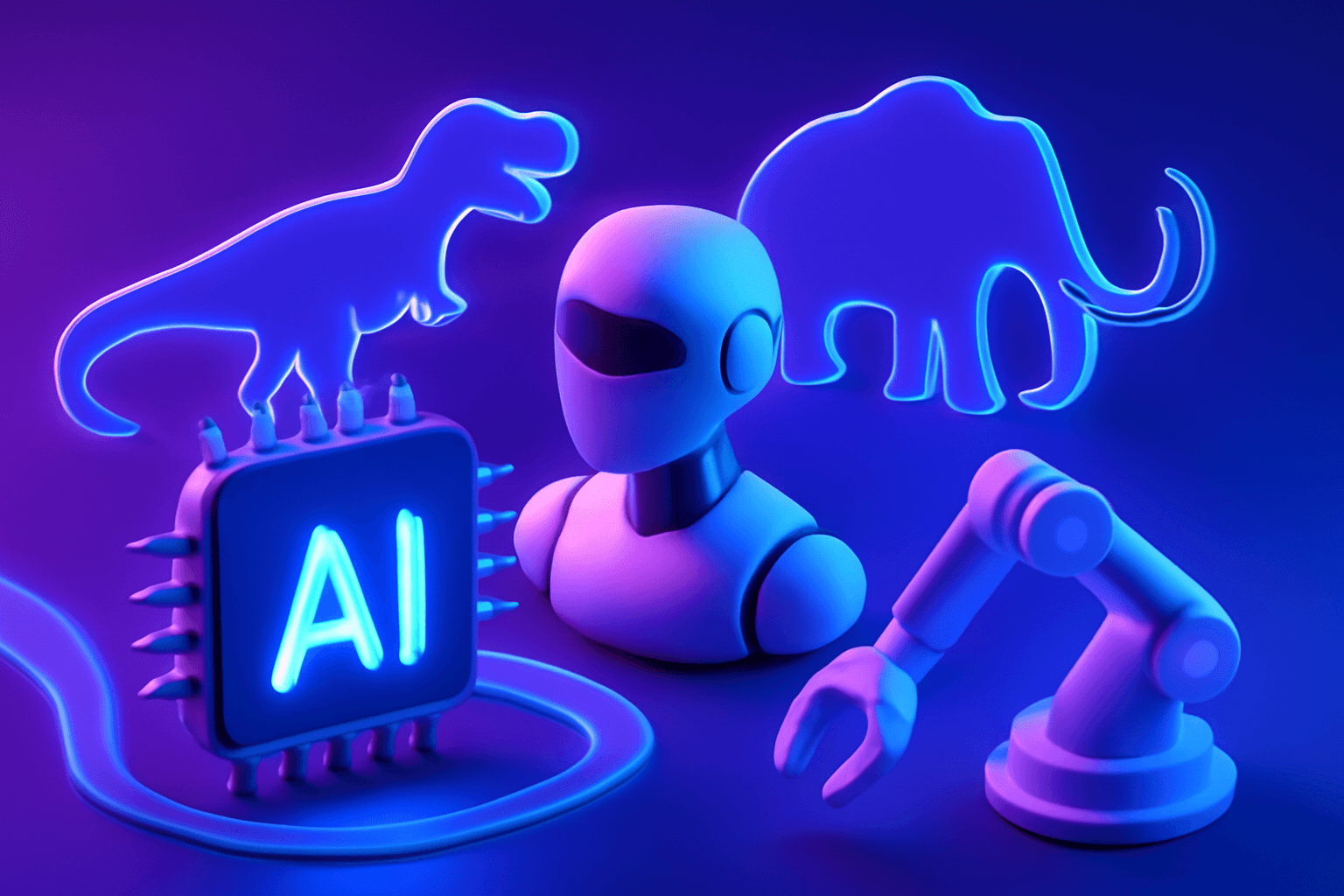
The upcoming TechCrunch Disrupt 2026 is set to unveil an exciting new feature: the Real World AI stage. This innovative platform aims to delve into the increasingly blurred lines between the digital and physical worlds. With a focus on how artificial intelligence is shaping our everyday experiences, the stage promises to showcase groundbreaking technologies and ideas from industry leaders, including the renowned tech giant Nvidia.
Bridging Digital and Physical Realms
The Real World AI stage is designed to explore the intersection of digital advancements and physical realities. As AI technology continues to evolve, its applications are becoming more integrated into our daily lives. From smart home devices that learn user preferences to AI-driven healthcare solutions that predict patient outcomes, the impact of AI is pervasive. The stage will serve as a forum for discussions on how these advancements are not only enhancing technology but also transforming societal norms and interactions.
In a world where the lines between digital and physical are increasingly blurred, understanding the implications of these changes is paramount. The Real World AI stage will feature panels and discussions that address how AI influences everything from personal relationships to economic structures. Attendees can expect to hear from experts who will illuminate the ways in which AI is reshaping our understanding of reality itself.
Nvidia's Role in AI Innovation
Nvidia, a leader in AI and graphics processing, will be a key player at the Real World AI stage. Known for its contributions to machine learning and computer vision, Nvidia's presence highlights the importance of hardware in the development of AI applications. The company's GPUs (graphics processing units) have become essential for training complex AI models, making them a cornerstone of modern AI research and application. Attendees can expect to see demonstrations of cutting-edge technologies that illustrate how Nvidia's innovations are driving the future of AI.
Furthermore, Nvidia's commitment to AI extends beyond hardware. The company is also heavily invested in software solutions that facilitate AI development, such as frameworks that simplify the deployment of AI models across various platforms. This dual focus on hardware and software positions Nvidia as a pivotal player in the AI ecosystem, making their contributions essential to the discussions at the Real World AI stage.
Robots: The New Companions
The integration of robotics into the Real World AI stage underscores the growing role of robots in our lives. From autonomous vehicles to personal assistants, robots are becoming commonplace in various sectors, including healthcare, manufacturing, and service industries. The discussions will focus on the ethical implications, potential job displacement, and the benefits that robots can bring to society, enhancing efficiency and productivity.
As robots become more integrated into everyday life, questions surrounding their ethical use and societal impact become increasingly relevant. Panels will address concerns about privacy, security, and the moral responsibilities of creators and users of robotic technology. The aim is to foster a nuanced understanding of how robots can coexist with humans in a way that maximizes benefits while minimizing risks.
Reviving Extinct Animals Through AI
One of the more intriguing aspects of the Real World AI stage will be the exploration of how AI could potentially aid in the revival of extinct species. This concept, often referred to as de-extinction, raises fascinating questions about biodiversity, conservation, and the ethical considerations of bringing back species that have long been gone. Experts will discuss the technological advancements that make this possible, including genetic engineering and advanced data analysis, and the implications for our ecosystems.
De-extinction is not merely a theoretical exercise; it poses real-world implications for conservation efforts and biodiversity. By understanding the genetic makeup of extinct species, scientists could potentially restore ecological balance in environments that have been disrupted by human activity. However, this also raises ethical questions about the consequences of reintroducing species into ecosystems that have changed significantly since their extinction. The discussions at the Real World AI stage will aim to unpack these complex issues and explore the potential pathways forward.
The Future of AI: Blending Worlds
As the TechCrunch Disrupt 2026 event unfolds, the emphasis will be on the future of AI and its potential to blend the digital and physical worlds seamlessly. With the rapid pace of technological change, understanding the implications of these advancements is crucial. The Real World AI stage aims to foster dialogue among industry leaders, researchers, and the public about the opportunities and challenges presented by AI.
In addition to showcasing the latest innovations, the stage will serve as a platform for discussing regulatory frameworks and societal readiness for these technologies. As AI continues to evolve, it is essential to consider how society can adapt to and shape these changes in a way that is beneficial for all. The conversations sparked at the Real World AI stage will be vital in guiding the future trajectory of AI development.
Conclusion: A New Era of AI
The Real World AI stage at TechCrunch Disrupt 2026 is set to be a pivotal moment in the discussion of artificial intelligence. By focusing on the intersection of the digital and physical realms, the event will highlight how AI is not just a technological advancement but a transformative force that will shape our future. Attendees can look forward to engaging discussions, innovative demonstrations, and a glimpse into the potential of AI in our everyday lives.
As we stand on the brink of this new era, the insights gained from the Real World AI stage will be essential for navigating the complexities of a world increasingly influenced by artificial intelligence. The blending of digital and physical realities is not just a trend; it is a fundamental shift that will redefine how we interact with technology and each other in the years to come.
Key Highlights
- TechCrunch Disrupt 2026 introduces the Real World AI stage.
- The stage will explore the intersection of digital and physical worlds.
- Nvidia will showcase its innovations in AI technology.
- Robots will be a key focus, highlighting their growing role in society.
- Discussions will include the potential revival of extinct animals through AI.
- The event aims to foster dialogue on the future implications of AI.
- Attendees can expect groundbreaking demonstrations and discussions.
Expert Analysis
Technical Analysis
The Real World AI stage at TechCrunch Disrupt 2026 showcases the convergence of digital and physical realms through advancements in artificial intelligence (AI). This platform highlights how AI technologies, such as machine learning and robotics, are increasingly integrated into daily life, enhancing user experiences across various sectors. The focus on Nvidia emphasizes the critical role of hardware, particularly GPUs, in training complex AI models, which are essential for the development and deployment of AI applications. Furthermore, the discussions around de-extinction illustrate the potential of AI in genetic engineering and data analysis, showcasing innovative applications that extend beyond traditional boundaries.
Despite the promising advancements, the integration of AI into everyday life raises ethical considerations and societal implications. The discussions on robotics, for instance, address potential job displacement and the moral responsibilities of creators and users. While AI can enhance efficiency and productivity, it also necessitates a careful examination of privacy, security, and the broader impact on human interactions. The Real World AI stage aims to foster a nuanced understanding of these challenges, encouraging dialogue on how to maximize the benefits of AI while minimizing its risks.
Advantages
- Enhances everyday experiences through AI-driven applications in various sectors.
- Showcases Nvidia's dual focus on hardware and software, driving innovation in AI.
- Promotes discussions on ethical implications and societal impacts of AI and robotics.
- Explores groundbreaking concepts like de-extinction, pushing the boundaries of AI applications.
Disadvantages
- Concerns about job displacement due to increased automation and robotics.
- Ethical questions surrounding the revival of extinct species and its ecological implications.
Real-World Use Cases
- Smart home devices that adapt to user preferences, improving convenience and efficiency.
- AI-driven healthcare solutions that predict patient outcomes and enhance treatment plans.
- Robots serving as personal assistants in various industries, increasing productivity.
- Utilizing AI for genetic engineering to potentially revive extinct species for conservation efforts.
Business Impact
The Real World AI stage is poised to influence the AI market significantly by highlighting innovative applications and fostering discussions on regulatory frameworks. Nvidia's involvement underscores its leadership in AI hardware and software, potentially strengthening its competitive position against other tech giants. The event may also open up new revenue opportunities for businesses that can leverage AI technologies effectively, driving growth in sectors such as healthcare, robotics, and environmental conservation.
User Impact
Ordinary users stand to benefit from the advancements showcased at the Real World AI stage, particularly through improved AI applications in daily life, such as smarter home devices and enhanced healthcare solutions. However, there may be concerns regarding job security as automation increases. Overall, the discussions and innovations presented at the event are worth paying attention to, as they will shape the future of technology and its integration into society.
Security & Privacy
Security and privacy analysis not applicable.
Future Outlook
In the near term, we can expect continued advancements in AI technologies that further blur the lines between digital and physical realities. As discussions at the Real World AI stage unfold, there may be a push for regulatory frameworks that ensure ethical development and deployment of AI. The industry is likely to see increased collaboration between hardware and software developers, leading to more robust AI solutions that address societal challenges.
Expert Summary
The Real World AI stage at TechCrunch Disrupt 2026 represents a critical juncture in the evolution of artificial intelligence. Stakeholders across industries should pay attention to the insights and discussions that emerge, as they will inform the trajectory of AI development and its implications for society. This event highlights the transformative potential of AI, emphasizing the need for a balanced approach that maximizes benefits while addressing ethical and societal concerns.
Originally reported by TechCrunch.



