
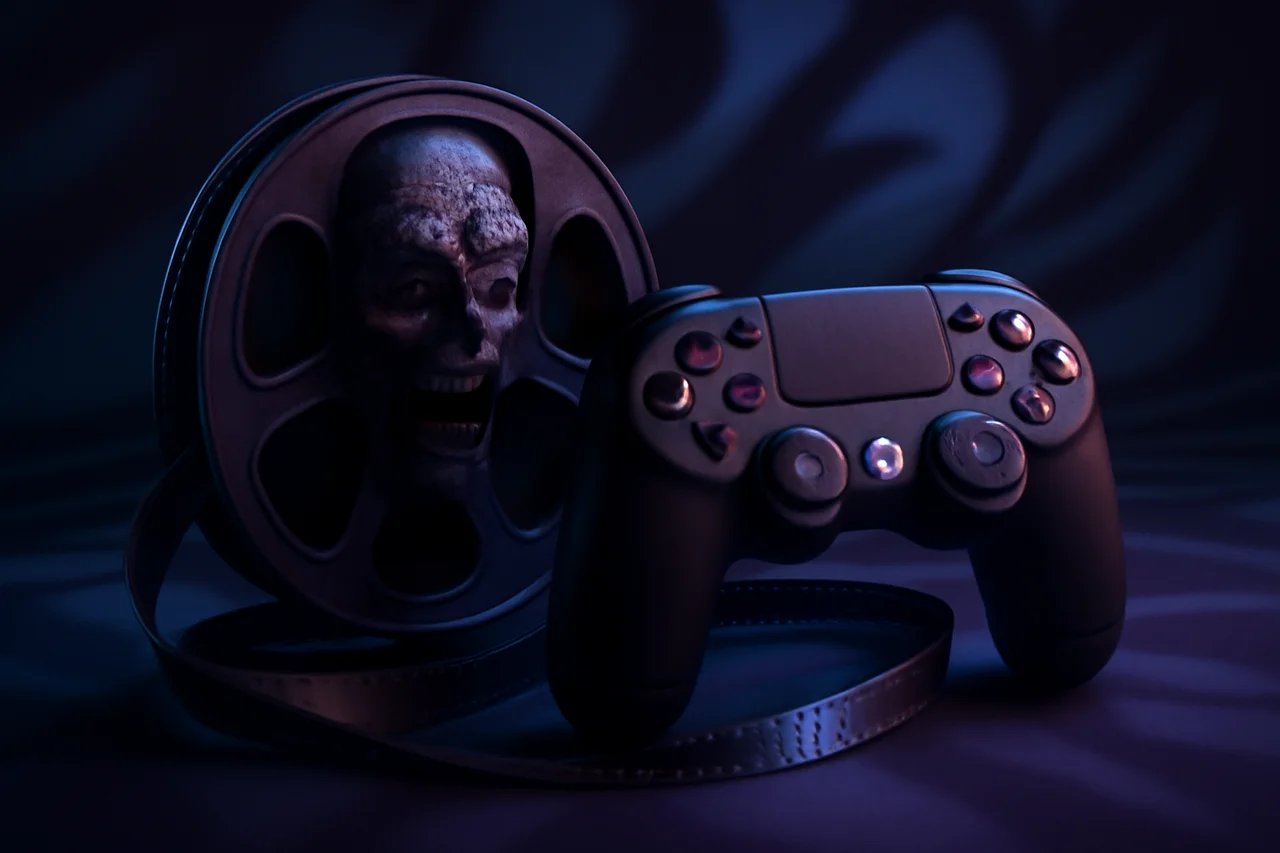
Since its inception, the Resident Evil franchise has been a polarizing topic among fans, particularly regarding its film adaptations. The first movie, directed by Paul W.S. Anderson and released in 2002, marked a significant moment in video game cinema. While it achieved commercial success, it also faced backlash from die-hard fans who felt it strayed too far from the beloved source material created by Capcom. This divergence has sparked ongoing debates about the fidelity of adaptations and the essence of storytelling across different mediums.
Origins of the Resident Evil Film Franchise
The Resident Evil film series began with the intention of bringing the iconic video game to life. The 2002 adaptation introduced audiences to a new interpretation of Raccoon City, diverging from the game's plotlines and character arcs. The film's narrative focused on an original character, Alice, played by Milla Jovovich, who battles against the Umbrella Corporation and the deadly T-virus. While the film was a commercial success, grossing over $100 million worldwide, its departure from the original narrative left many fans dissatisfied, raising questions about the challenges of adapting video games into films.
Mixed Reception Among Fans and Critics
Upon its release, the Resident Evil film garnered mixed reviews. While some praised its action sequences and visual effects, others criticized its storyline and character development. This dichotomy reflects a broader trend in video game adaptations, where filmmakers often struggle to balance fidelity to the source material with the need to create a compelling cinematic experience. Critics noted that the film's emphasis on action and special effects overshadowed the suspenseful horror elements that defined the original game. The film's success at the box office did not fully translate into critical acclaim, highlighting the complexities of adapting interactive narratives to a linear format.
Successes and Failures in Video Game Adaptations
Resident Evil is not alone in its journey through the film industry. Other adaptations, such as Mortal Kombat and Tomb Raider, have experienced similar fates, achieving varying degrees of success. The Mortal Kombat film, for instance, was celebrated for its faithful representation of the game's characters and fighting styles, while the Tomb Raider films faced criticism for their lack of depth and character development. However, the shadow of past failures, like the 1993 Super Mario Bros. film, looms large over the genre. These experiences have led to a cautious approach among filmmakers, who often grapple with the expectations of both gamers and general audiences. The challenge remains: how to create a film that honors the source material while also appealing to a broader audience that may not be familiar with the games.
A New Direction Under Zach Cregger
Recently, the franchise has seen a potential shift in direction with the involvement of director Zach Cregger. Known for his unique storytelling style and ability to blend genres, Cregger's approach aims to address fan concerns and return to the franchise's roots. His vision may offer a fresh take on the Resident Evil narrative, potentially bridging the gap between the games and their film adaptations. Cregger's previous work has demonstrated an understanding of character-driven narratives, which could be instrumental in crafting a more authentic representation of the Resident Evil universe.
What Lies Ahead for Resident Evil
As the Resident Evil franchise evolves, the future of its film adaptations remains uncertain. The combination of comedy and horror elements that characterized the original films has sparked discussions about the tone and direction of future projects. Fans are hopeful that the new leadership will bring a more authentic representation of the beloved game series, while still appealing to a wider audience. The potential for Cregger to infuse the narrative with deeper character development and a more faithful adaptation of the game's lore could pave the way for a revitalized franchise that resonates with both longtime fans and newcomers alike.
Conclusion: The Ongoing Challenge of Adaptation
The journey of Resident Evil from video game to film is emblematic of the broader challenges faced by the film industry in adapting interactive narratives. While the franchise has experienced ups and downs, the potential for a new direction under Zach Cregger may provide the opportunity to create a film that resonates with both fans and newcomers. As the industry continues to navigate this complex landscape, the hope remains that future adaptations will capture the essence of what makes Resident Evil a beloved franchise. The balance between innovation and fidelity will be crucial in determining the success of upcoming projects, as filmmakers strive to meet the expectations of a diverse audience while honoring the legacy of the original games.
Key Highlights
- The Resident Evil film franchise began with Paul W.S. Anderson's 2002 adaptation.
- Anderson's film received mixed reviews, particularly from hardcore fans of the game.
- The film's divergence from the source material raised questions about adaptation challenges.
- Other video game adaptations have faced similar success and failure patterns.
- Zach Cregger's involvement signals a potential return to the franchise's roots.
- Future Resident Evil projects may balance comedy and horror more effectively.
- The evolution of the franchise reflects the ongoing struggle of adapting interactive narratives.
Expert Analysis
Technical Analysis
The Resident Evil film franchise represents a significant case study in the adaptation of video games into cinematic formats. The technology involved primarily pertains to storytelling techniques rather than specific technological innovations. The films utilize various cinematic elements, including visual effects and action choreography, to create engaging narratives. However, the challenge lies in translating the interactive experience of video games into a linear storytelling format, which often leads to deviations from the source material. This divergence can alienate dedicated fans while attempting to attract a broader audience.
The films have evolved over time, with the original directed by Paul W.S. Anderson focusing on action and special effects, sometimes at the expense of the horror elements that define the games. The introduction of director Zach Cregger suggests a potential shift towards a more character-driven narrative that could address previous criticisms. This indicates a recognition of the need for a balance between maintaining fidelity to the original game's lore and creating a compelling cinematic experience. However, the limitations of adapting interactive narratives remain, as filmmakers must navigate the expectations of both gamers and general audiences.
Advantages
- Commercial success of the original film, grossing over $100 million worldwide.
- Potential for a new direction under Zach Cregger, who may enhance character development.
- Opportunity to bridge the gap between video game narratives and film adaptations.
- Increased focus on authenticity in representing the Resident Evil universe.
Disadvantages
- Mixed reception among fans and critics regarding storyline and character development.
- Challenges in balancing fidelity to the source material with cinematic appeal.
- Previous adaptations have faced criticism for lack of depth and character development.
Real-World Use Cases
- Filmmakers can study the Resident Evil franchise to understand the complexities of adapting video games into films.
- Writers and directors can analyze audience feedback to improve character development in future adaptations.
- Studios may use the franchise as a case study for balancing action and horror elements in cinematic storytelling.
Business Impact
The Resident Evil franchise's journey reflects broader trends in the film industry regarding video game adaptations. As filmmakers continue to grapple with the expectations of both gamers and general audiences, the success or failure of future projects could influence investment strategies in similar adaptations. The potential revitalization under Zach Cregger may open new revenue opportunities and attract a wider audience, which is crucial for studios looking to capitalize on established franchises.
User Impact
Fans of the Resident Evil franchise stand to benefit from a potential shift in the film adaptations that may honor the original game's narrative and character depth. Ordinary viewers who are not familiar with the games may also find value in a more engaging and character-driven story. However, those who prefer the original horror elements may still have concerns about the balance between comedy and horror in future films, making it essential for the adaptations to resonate with both long-time fans and newcomers.
Security & Privacy
Security and privacy analysis not applicable.
Future Outlook
As the Resident Evil franchise moves forward, there is a realistic expectation that the involvement of Zach Cregger could lead to a more authentic representation of the source material. The industry may see a trend towards adaptations that prioritize character-driven narratives and deeper storytelling, which could enhance audience engagement. Future projects may also explore innovative ways to integrate elements of the games while appealing to a broader cinematic audience.
Expert Summary
The ongoing evolution of the Resident Evil film franchise highlights the complexities of adapting video games into films. With a new direction under Zach Cregger, there is potential for a more authentic and engaging cinematic experience that resonates with both fans and newcomers. Stakeholders in the film industry, particularly those involved in adaptations, should pay attention to these developments as they may signal a shift in how interactive narratives are translated to the screen.
Originally reported by The Verge.



