
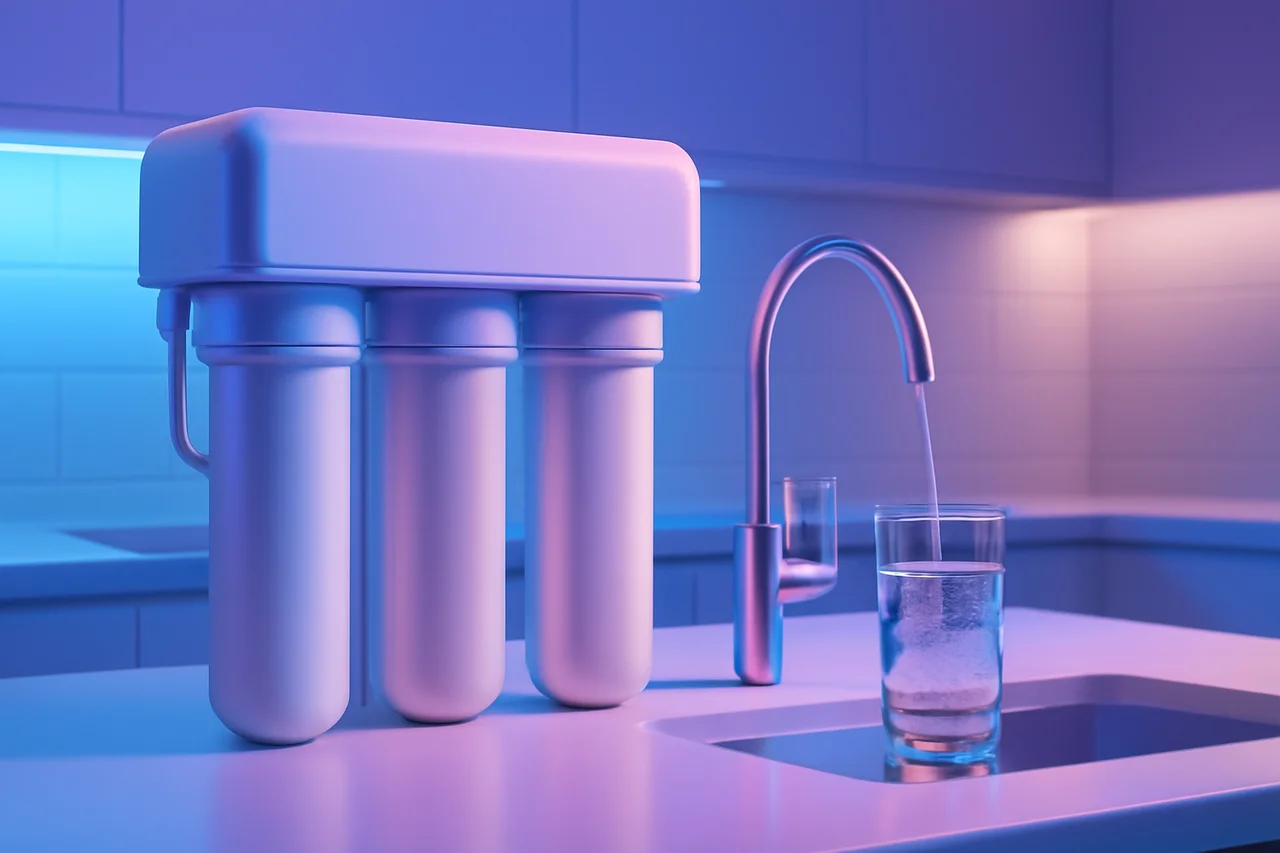
Water is essential for life, ranking just after oxygen in its importance to human survival. It’s a fundamental part of our daily existence, influencing our health, hydration, and overall well-being. Given its significance, it’s critical to consider how we obtain our drinking water. While there are several options available, not all are practical or cost-effective in the long run. The quality of our drinking water directly affects our health, making it crucial to choose a reliable filtration method.
The Drawbacks of Bottled Water
Many people resort to purchasing bottled water as a convenient solution. However, this approach has several downsides. First and foremost, the ongoing costs can accumulate quickly, turning what seems like a simple purchase into a significant monthly expense. A family that consumes several bottles a day can easily spend hundreds of dollars annually on bottled water. Additionally, the environmental impact of single-use plastic bottles cannot be overlooked. Each bottle contributes to pollution and waste, making bottled water an unsustainable choice over time. According to studies, millions of plastic bottles end up in landfills and oceans each year, exacerbating the global plastic crisis.
Challenges of Under-Sink Filtration Systems
Another popular method for obtaining clean water is through under-sink filtration systems. While these can provide high-quality water, they come with their own set of challenges. Installation can be complex and often requires professional help, which adds to the overall cost. Furthermore, these systems may not be an option for renters who are unable to make permanent modifications to their living spaces. Even for homeowners, the maintenance and potential repairs can be cumbersome, leading to further expenses and inconvenience. Additionally, some under-sink systems may not effectively remove all contaminants, leaving users with a false sense of security regarding their water quality.
The Advantages of RO Water Filters
Reverse osmosis (RO) water filters present a compelling alternative to both bottled water and complicated under-sink systems. These filters are designed to remove impurities and provide clean drinking water without the hassle of frequent purchases or complex installations. RO systems utilize a semi-permeable membrane to filter out contaminants, ensuring that the water you consume is free from harmful substances. They can be installed in a variety of settings, making them suitable for homeowners and renters alike. Unlike under-sink systems, many RO filters are designed for easy installation, allowing users to set them up without professional assistance.
Convenience and Accessibility
One of the standout features of RO water filters is their convenience. Once installed, they provide a steady supply of purified water right from the tap. This means no more trips to the store or worrying about running out of bottled water. With an RO filter, you have access to clean, safe drinking water at all times, making it a practical solution for busy lifestyles. Additionally, many modern RO systems come with advanced features, such as filter change indicators and smart technology that can alert you when maintenance is needed, further enhancing user experience.
Long-Term Cost Savings
Investing in a quality RO water filter can also lead to significant cost savings over time. While the initial purchase and installation may require some investment, the ongoing costs are generally much lower than continuously buying bottled water. The average cost of an RO system can be recouped within a year or two through savings on bottled water. Furthermore, the durability and efficiency of RO systems mean that they can provide high-quality water for years, making them a wise financial choice. With proper maintenance, including regular filter changes, an RO system can last a decade or more, providing an ongoing supply of purified water.
Conclusion: A Smart Investment
In conclusion, water is a vital resource that should not be taken for granted. Investing in a good drinking water solution, such as a reverse osmosis water filter, is essential for maintaining health and convenience. By choosing an RO system, you can avoid the pitfalls of bottled water and complicated filtration setups, ensuring that you have access to clean drinking water whenever you need it. As awareness of water quality issues continues to grow, the adoption of RO water filters is likely to increase, making them a smart investment for both health-conscious consumers and environmentally minded individuals.
Key Highlights
- Water is vital for life, making clean drinking water essential.
- Bottled water can be expensive and environmentally harmful.
- Under-sink filtration systems are often complicated and costly.
- RO water filters offer a convenient and effective solution.
- Once installed, RO filters provide easy access to purified water.
- Investing in an RO system can lead to long-term cost savings.
- Choosing a good water filtration system is crucial for health.
Expert Analysis
Technical Analysis
Reverse osmosis (RO) water filtration technology involves the use of a semi-permeable membrane that allows water molecules to pass through while blocking larger molecules and contaminants. This process effectively removes impurities such as heavy metals, salts, and other harmful substances from drinking water, ensuring a high level of purity. The technology works by applying pressure to the water, forcing it through the membrane, which separates clean water from contaminants. This method is particularly effective in areas where water quality is a concern, providing a reliable solution for safe drinking water.
What sets RO systems apart from other filtration methods, such as under-sink systems or bottled water, is their efficiency and ease of use. Unlike under-sink systems that may require professional installation and maintenance, many RO filters are designed for straightforward installation, making them accessible for both homeowners and renters. Additionally, the long-term cost savings associated with RO systems, compared to the recurring expenses of bottled water, make them an attractive option for consumers. However, it is important to note that RO systems do require regular maintenance, including filter changes, to ensure optimal performance and water quality.
Advantages
- Provides a steady supply of purified water directly from the tap.
- Removes a wide range of contaminants, ensuring safe drinking water.
- Easy installation process, suitable for both homeowners and renters.
- Long-term cost savings compared to purchasing bottled water.
- Durable and efficient, with systems lasting a decade or more with proper maintenance.
- Advanced features like filter change indicators and smart technology enhance user experience.
Disadvantages
- Regular maintenance and filter changes are required to maintain water quality.
- Initial purchase and installation costs can be significant.
Real-World Use Cases
- Households looking to reduce reliance on bottled water for drinking and cooking.
- Renters who need a portable and easy-to-install water filtration solution.
- Health-conscious consumers wanting to ensure the purity of their drinking water.
- Families aiming to reduce plastic waste and environmental impact from bottled water.
- Individuals seeking a cost-effective long-term solution for clean drinking water.
Business Impact
The introduction of RO water filters is likely to disrupt the bottled water market, as consumers become more aware of the environmental and financial drawbacks of single-use plastic bottles. Companies that produce and sell RO systems may see increased demand as more consumers opt for sustainable and cost-effective water filtration solutions. Additionally, this shift could encourage innovation within the water filtration industry, leading to the development of more advanced and user-friendly systems that cater to a growing market of health-conscious consumers.
User Impact
Ordinary users stand to benefit significantly from the adoption of RO water filters, as they provide a convenient and reliable source of clean drinking water. This technology is particularly advantageous for families and individuals looking to save money over time while ensuring their health and well-being. However, those who may not have the means for the initial investment or who are unable to perform regular maintenance might find it less accessible. Overall, the benefits of RO systems make them a worthwhile consideration for anyone concerned about water quality.
Security & Privacy
Security and privacy analysis not applicable.
Future Outlook
As awareness of water quality issues continues to rise, the market for RO water filters is expected to grow, with more consumers seeking reliable and sustainable solutions for their drinking water needs. Innovations in filtration technology may lead to even more efficient systems that require less maintenance and offer enhanced purification capabilities. Additionally, as environmental concerns gain prominence, the demand for eco-friendly alternatives to bottled water is likely to drive further adoption of RO systems in households across various demographics.
Expert Summary
The launch of advanced RO water filters represents a significant step towards improving access to safe drinking water while addressing environmental concerns associated with bottled water. Consumers, especially those focused on health and sustainability, should pay attention to this trend, as it offers a practical solution to common water quality issues. Overall, RO water filters are a smart investment for those looking to enhance their drinking water quality while contributing to a more sustainable future.
Originally reported by Android Authority.



