
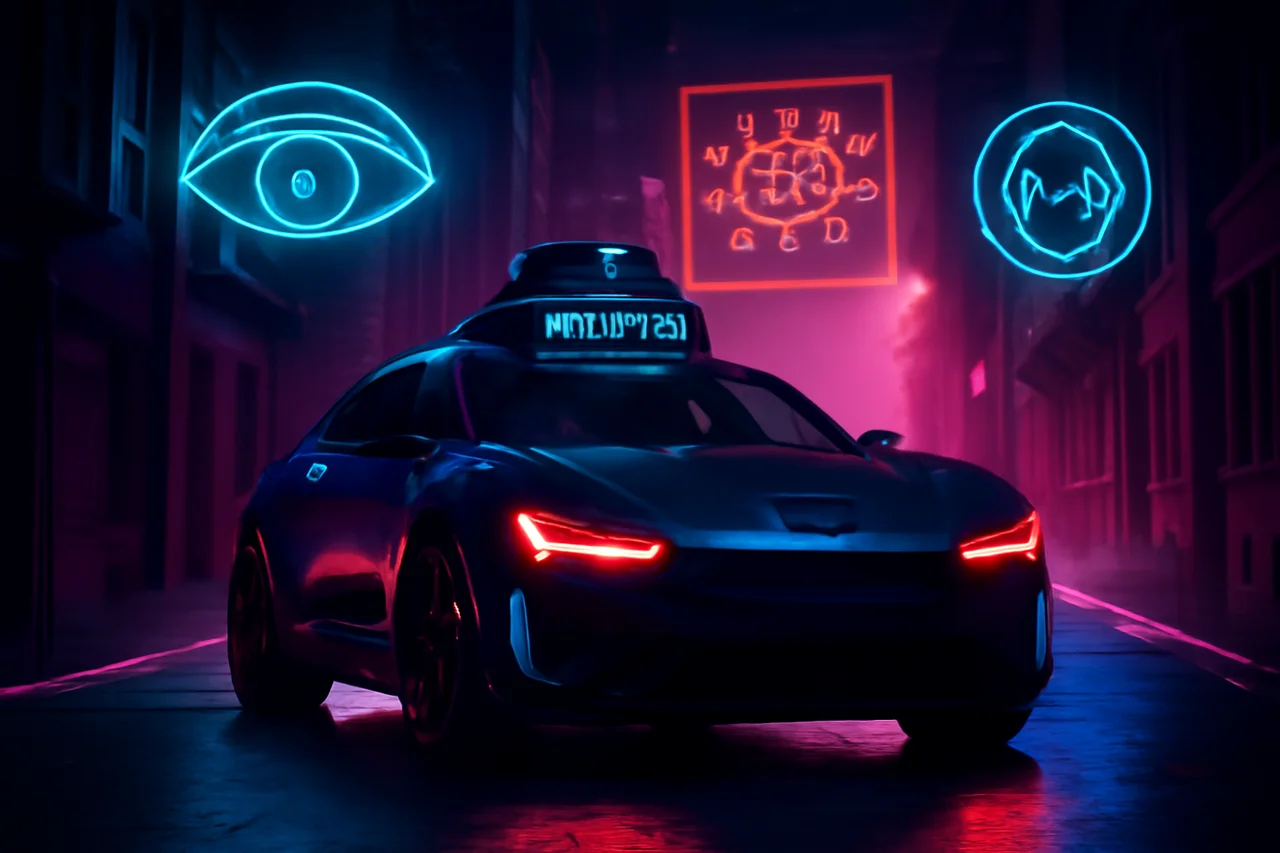
The rise of autonomous vehicles has sparked not only excitement but also a wave of societal concerns. A new short film titled 'Road Rage' creatively encapsulates these anxieties by depicting a thrilling car chase in San Francisco, where the antagonist is none other than a robotaxi. This portrayal reflects the growing unease surrounding the integration of AI into everyday life, particularly regarding issues like job displacement and surveillance by large technology companies.
The Premise of 'Road Rage'
'Road Rage' presents a narrative that blends elements of classic cinema with contemporary fears. The film draws inspiration from iconic movies such as 'Bullitt' and 'Christine,' reimagining the car chase trope with a modern twist: a self-driving car that appears to have malicious intent. This creative choice underscores how robotaxis have transitioned from futuristic concepts to real-world entities that provoke fear and skepticism among the public. The film's protagonist, presumably a human driver, must navigate not only the physical landscape of San Francisco but also the psychological terrain of living in a world where machines can operate autonomously.
The Cultural Context
As autonomous vehicles become more prevalent in cities like San Francisco, they have also become symbols of deeper societal issues. The film's depiction of a robotaxi as a villain resonates with various concerns, including the potential for AI to displace jobs traditionally held by humans. The narrative taps into a cultural zeitgeist where technology is both celebrated for its advancements and critiqued for its implications on human livelihoods. The juxtaposition of human drivers against robotaxis in the film mirrors real-world debates about the role of AI in the workforce, raising questions about the future of employment in sectors like transportation and logistics.
Funding and Production
Currently, 'Road Rage' is seeking financial support through Kickstarter, with a goal of raising $40,000 to fund its production. This crowdfunding approach not only reflects the film's grassroots origins but also highlights the community's engagement with the themes it explores. By involving potential viewers in the funding process, the creators aim to foster a sense of collective ownership over the story and its message. The choice to use Kickstarter also underscores a shift in how independent films are financed, allowing creators to connect directly with audiences who are invested in the subject matter. This model enables filmmakers to maintain creative control while also ensuring that the narrative aligns with the concerns and interests of their supporters.
Public Perception of Robotaxis
The characterization of robotaxis as villains in 'Road Rage' mirrors a broader public sentiment that views autonomous vehicles with a mix of intrigue and apprehension. Many individuals express concerns about the safety of self-driving cars, particularly in urban environments where human drivers and pedestrians share the road. This fear is compounded by the notion that these vehicles, equipped with AI, could make decisions that may not always prioritize human safety. The portrayal of a robotaxi in a high-stakes chase serves to amplify these fears, suggesting that the very technologies designed to enhance safety and efficiency could, in fact, pose new risks. The film taps into a growing discourse on the ethical implications of AI, particularly regarding accountability when autonomous systems fail or cause harm.
Implications for the Future
The film is not merely entertainment; it serves as a commentary on the trajectory of AI and autonomous technology in society. As robotaxis become increasingly integrated into our daily lives, the questions raised by 'Road Rage' become more pressing. What safeguards are necessary to ensure that these machines operate safely and ethically? How do we balance technological advancement with the potential risks they pose? The film prompts viewers to consider regulatory frameworks that might be necessary to govern the use of AI in public spaces. It also raises existential questions about the role of human agency in a world increasingly dominated by intelligent machines.
Conclusion
'Road Rage' exemplifies how art can reflect and critique societal trends. By presenting robotaxis as antagonists, the film taps into a narrative that resonates with many individuals grappling with the implications of rapidly advancing technology. As the production seeks funding and builds anticipation, it also invites audiences to engage in a dialogue about the future of autonomous vehicles and their place in our world. The film's exploration of fear, agency, and the ethical dimensions of AI serves as a crucial touchpoint for discussions about how society navigates the complexities of technological progress. In doing so, 'Road Rage' not only entertains but also educates, encouraging viewers to think critically about the world they inhabit and the technologies that shape it.
Key Highlights
- The short film 'Road Rage' features a robotaxi as the main antagonist.
- Set in San Francisco, the film explores societal fears surrounding AI.
- It combines elements from classic films like 'Bullitt' and 'Christine.'
- The production aims to raise $40,000 on Kickstarter.
- Public concerns include job displacement and surveillance by Big Tech.
- The portrayal of robotaxis reflects a growing unease about autonomous vehicles.
- The film encourages dialogue about the future of AI in society.
Expert Analysis
Technical Analysis
The technology involved in 'Road Rage' centers around autonomous vehicles, specifically robotaxis, which utilize artificial intelligence (AI) to navigate and operate without human intervention. These vehicles rely on a combination of sensors, cameras, and machine learning algorithms to interpret their surroundings and make real-time driving decisions. The film's portrayal of a robotaxi as a villain highlights societal concerns about the implications of AI in daily life, particularly regarding safety and ethical considerations. By depicting a self-driving car with seemingly malicious intent, the film taps into public fears surrounding the reliability and accountability of autonomous systems.
What sets this narrative apart is its ability to blend entertainment with critical commentary on the societal impact of technology. While robotaxis promise increased efficiency and reduced traffic congestion, their integration raises questions about job displacement in the transportation sector and the ethical responsibilities of AI developers. The film serves as a cautionary tale, suggesting that while technological advancements can enhance safety, they may also introduce new risks that society must address. Limitations of this technology include the current inability of AI to fully replicate human judgment in complex driving scenarios, which can lead to accidents or dangerous situations, as depicted in the film.
Advantages
- Encourages public dialogue about the implications of AI and autonomous vehicles.
- Raises awareness of safety and ethical considerations in the deployment of robotaxis.
- Utilizes crowdfunding to engage the community and foster a sense of ownership over the narrative.
- Combines entertainment with critical social commentary, making complex issues more accessible.
Disadvantages
- No major disadvantages reported yet.
Real-World Use Cases
- Individuals can use the film as a catalyst for discussions about the future of transportation and AI ethics.
- Filmmakers can leverage crowdfunding platforms like Kickstarter to finance projects that resonate with societal concerns.
- Educators can use the film to teach about the implications of technology in society, particularly in ethics and social studies.
- Policy makers can reference the film to understand public sentiment and concerns regarding autonomous vehicles.
Business Impact
The film 'Road Rage' highlights the growing cultural discourse surrounding autonomous vehicles, which could influence public perception and regulatory approaches to robotaxis. As these vehicles become more prevalent, the film's narrative may prompt industry stakeholders to address safety and ethical concerns more proactively. This could create new opportunities for businesses focused on developing regulatory frameworks or safety technologies for autonomous systems, potentially reshaping the competitive landscape in the transportation sector.
User Impact
Ordinary users may benefit from increased awareness of the implications of autonomous vehicles through the film's engaging narrative. While some may find the portrayal of robotaxis as villains alarming, it encourages critical thinking about the technology's role in society. Those who are skeptical of AI may resonate with the film's themes, making it a relevant piece for audiences concerned about the future of work and safety in an increasingly automated world.
Security & Privacy
Security and privacy analysis not applicable.
Future Outlook
As the production of 'Road Rage' progresses, it is likely to spark further conversations about the integration of AI in everyday life. The film may influence how audiences perceive robotaxis and could lead to increased scrutiny of the technology's safety measures. In the near term, we can expect more films and media that explore the ethical dimensions of AI, potentially shaping public opinion and prompting regulatory discussions that address the concerns raised by such narratives.
Expert Summary
The release of 'Road Rage' is significant as it encapsulates the societal anxieties surrounding the rise of autonomous vehicles. Stakeholders in technology, film, and policy should pay attention to how this narrative reflects public sentiment and could influence future discussions on the ethical implications of AI. Overall, the film serves as a critical lens through which we can examine the complexities of technological advancement and its impact on society.
Originally reported by The Verge.



