
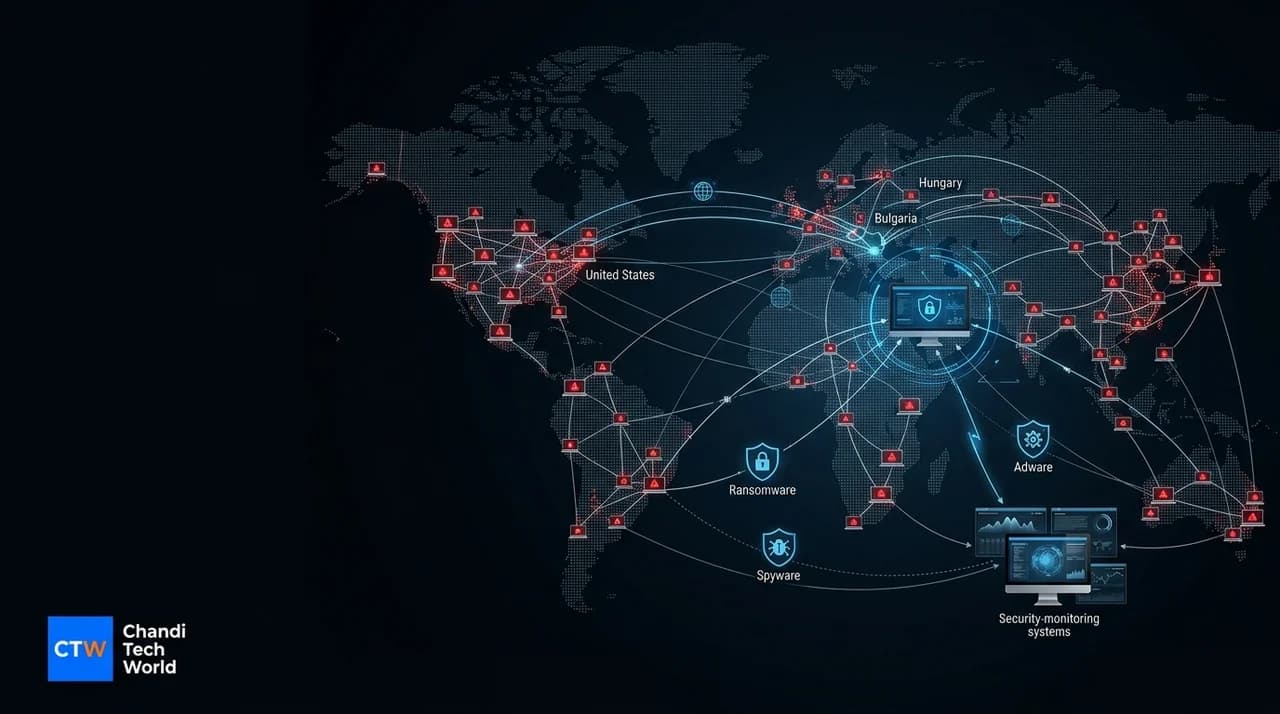
In a significant victory for cybersecurity, the U.S. Department of Justice (DoJ) announced the successful takedown of the notorious Sality peer-to-peer (P2P) botnet on August 31, 2026. This operation marks a pivotal moment in the ongoing battle against malware distribution, showcasing the power of international cooperation in law enforcement. The Sality botnet has been a persistent threat for years, affecting countless individuals and organizations worldwide.
The Sality Botnet: A Persistent Threat
The Sality botnet has been a longstanding concern within the cybersecurity community, known for its ability to distribute various types of malware, including ransomware, spyware, and adware. Operating through a P2P network, Sality has evaded traditional detection methods, making it a formidable adversary for security professionals. Its decentralized nature allowed it to continue functioning even as parts of the network were dismantled, underscoring the challenges faced by law enforcement. Sality's resilience has made it a notable player in the cybercrime landscape, often adapting and evolving to counteract mitigation efforts.
Coordinated International Efforts
The takedown of Sality was the result of a coordinated effort involving multiple countries. Authorities from the United States teamed up with their counterparts in Bulgaria, Hungary, and Romania, reflecting a unified front against cybercrime. This collaboration not only highlights the importance of sharing intelligence and resources but also emphasizes the global nature of cybersecurity threats. The operation demonstrates how cybercriminals often operate across borders, necessitating a collaborative approach to effectively combat these threats.
Private Sector Involvement
In addition to law enforcement agencies, private industry partners played a crucial role in the operation. Notably, CrowdStrike and the Shadowserver Foundation were instrumental in providing technical expertise and support. Their involvement underscores the critical partnership between the public and private sectors in combating cyber threats. These organizations brought valuable resources, including advanced threat intelligence and detection capabilities, which were essential in identifying and dismantling the Sality network. The collaboration between government and private entities is vital in addressing the complexities of modern cybercrime.
Impact on Malware Distribution
The primary goal of the Sality takedown was to disrupt the distribution of malware payloads associated with the botnet. By dismantling this network, authorities aim to significantly reduce the volume of malicious software that could be deployed against individuals and organizations. This operation serves as a warning to other cybercriminals about the potential consequences of their actions. The disruption of Sality's operations is expected to lead to a decrease in the number of infections and attacks that leverage its infrastructure, providing a safer digital environment for users.
Future Implications for Cybersecurity
The successful takedown of the Sality botnet is a testament to the effectiveness of international cooperation in addressing cybercrime. As cyber threats continue to evolve, the need for collaborative efforts will become increasingly important. This operation not only disrupts a significant malware distribution channel but also sets a precedent for future initiatives aimed at combating cyber threats on a global scale. Law enforcement agencies and private sector partners must continue to innovate and adapt their strategies to stay ahead of cybercriminals, who are constantly developing new techniques to exploit vulnerabilities.
Conclusion
As the landscape of cybersecurity continues to change, the takedown of the Sality P2P botnet represents a crucial step forward in protecting against malware threats. The collaboration between law enforcement agencies and private sector partners exemplifies the collective effort required to tackle complex cyber challenges. Moving forward, ongoing vigilance and cooperation will be essential in maintaining cybersecurity and safeguarding digital environments. The Sality operation serves as a reminder that while the fight against cybercrime is ongoing, effective partnerships and international collaboration can lead to significant victories in this critical domain.
Key Highlights
- The U.S. Department of Justice announced the takedown of the Sality botnet.
- This operation involved law enforcement from the U.S., Bulgaria, Hungary, and Romania.
- Private partners, including CrowdStrike and Shadowserver, aided the effort.
- Sality was known for its ability to distribute malware via a P2P network.
- The takedown aims to disrupt the flow of malware payloads to users.
- International cooperation is crucial in the fight against cybercrime.
- The operation sets a precedent for future cybersecurity initiatives.
Expert Analysis
Technical Analysis
The Sality botnet operated through a peer-to-peer (P2P) network, which allowed it to distribute various types of malware, including ransomware, spyware, and adware. This decentralized structure made it particularly resilient against traditional detection and takedown methods, as the botnet could continue functioning even when parts of its network were dismantled. The technology behind P2P networks enables nodes to communicate directly with each other, making it difficult for law enforcement to target a single point of failure. This adaptability has made Sality a persistent threat in the cybersecurity landscape, necessitating innovative approaches for its mitigation.
The recent takedown of the Sality botnet highlights the importance of international cooperation and the involvement of private sector entities in combating cyber threats. The operation involved collaboration between law enforcement agencies from the U.S., Bulgaria, Hungary, and Romania, showcasing a unified approach to tackling cybercrime. The involvement of organizations like CrowdStrike and the Shadowserver Foundation provided critical technical expertise and resources, enhancing the effectiveness of the operation. However, the decentralized nature of P2P networks remains a limitation, as new iterations of such botnets may emerge, requiring continuous adaptation and vigilance from cybersecurity professionals.
Advantages
- Significantly disrupts the distribution of malware associated with the Sality botnet.
- Reduces the volume of malicious software that could be deployed against individuals and organizations.
- Demonstrates the effectiveness of international cooperation in law enforcement.
- Highlights the critical partnership between public and private sectors in addressing cyber threats.
Disadvantages
- No major disadvantages reported yet.
Real-World Use Cases
- Law enforcement agencies can use the collaborative model established in the Sality takedown for future operations against other cybercriminal networks.
- Private cybersecurity firms can leverage insights gained from this operation to enhance their threat detection and response capabilities.
- Organizations can implement lessons learned from the Sality takedown to improve their own cybersecurity strategies and defenses.
Business Impact
The successful takedown of the Sality botnet is likely to have a positive impact on the cybersecurity market, as it demonstrates the effectiveness of collaborative efforts in combating cybercrime. This operation may encourage more partnerships between law enforcement and private sector companies, leading to increased investment in cybersecurity solutions. Furthermore, it sets a precedent for future initiatives, potentially opening new revenue opportunities for cybersecurity firms that can provide advanced threat intelligence and detection capabilities.
Competitors in the cybersecurity space may feel pressure to enhance their offerings and collaborate more closely with law enforcement to remain relevant. The operation underscores the necessity for continuous innovation in cybersecurity measures, as the landscape of threats evolves rapidly.
User Impact
Ordinary users stand to benefit significantly from the disruption of the Sality botnet, as it is expected to lead to a decrease in malware infections and cyberattacks leveraging its infrastructure. This operation serves as a reminder of the ongoing efforts to create a safer digital environment. Users should care about this development as it reflects the commitment of both public and private sectors to protect them from cyber threats. However, the evolving nature of cybercrime means that users must remain vigilant and proactive in their own cybersecurity practices to mitigate risks.
While the takedown is a positive step, it is important for users to understand that cyber threats will continue to evolve. Continuous awareness and adaptation are necessary to maintain personal and organizational cybersecurity.
Security & Privacy
Security and privacy analysis not applicable.
Future Outlook
In the near term, we can expect increased collaboration among international law enforcement agencies and private sector partners as they respond to the evolving landscape of cyber threats. The success of the Sality takedown may lead to more coordinated efforts to dismantle other botnets and cybercriminal networks. Additionally, as cybercriminals adapt their tactics, ongoing innovation in detection and response strategies will be essential to stay ahead of potential threats.
Future developments may also include enhanced sharing of threat intelligence across borders, which could improve the overall effectiveness of cybersecurity measures. The industry may see the emergence of new technologies and frameworks designed to combat the challenges posed by decentralized networks like P2P botnets.
Expert Summary
The takedown of the Sality P2P botnet marks a significant achievement in the ongoing battle against cybercrime, highlighting the importance of international collaboration and public-private partnerships. Organizations and individuals alike should pay attention to this development as it underscores the collective effort required to tackle complex cybersecurity challenges. Overall, this operation serves as a crucial reminder of the need for vigilance and cooperation in maintaining a secure digital environment.
Originally reported by The Hacker News.



