
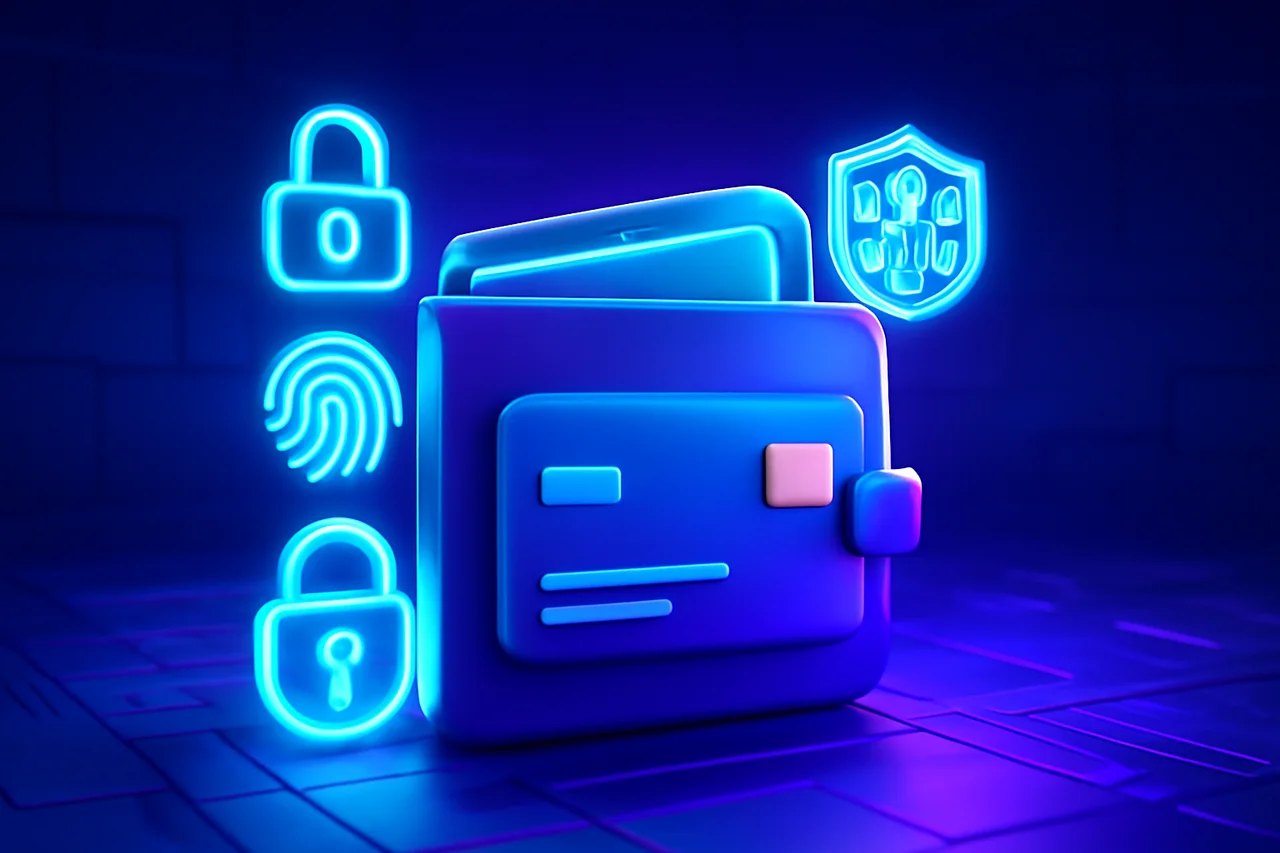
In today's fast-paced digital world, the way we manage our finances is evolving rapidly. Digital wallets have emerged as a popular alternative to traditional physical wallets, offering not only convenience but also enhanced security features. Understanding the security advantages of digital wallets can help consumers make informed choices about how they store and manage their financial information.
Enhanced Security Features
One of the most significant advantages of digital wallets is their robust security mechanisms. Unlike physical wallets, which can be lost or stolen, digital wallets utilize advanced encryption technologies to protect sensitive information. This encryption ensures that data such as credit card numbers and personal details are securely stored and transmitted, making it much harder for unauthorized users to access them. The encryption protocols employed by digital wallets are often on par with those used in online banking, providing users with a sense of trust and reliability.
Two-Factor Authentication
Many digital wallets incorporate two-factor authentication (2FA) as an additional layer of security. This means that even if someone manages to obtain your password, they would still need a second form of identification—such as a code sent to your mobile device—to access your wallet. This feature significantly reduces the risk of fraud and unauthorized transactions. In an age where cyber threats are increasingly sophisticated, 2FA serves as a critical barrier against potential breaches, making it a standard practice among reputable digital wallet providers.
Real-Time Monitoring
Digital wallets often provide real-time monitoring of transactions, allowing users to receive instant notifications whenever their cards are used. This immediate feedback enables users to quickly identify any suspicious activity and take action if necessary. In contrast, physical wallets do not offer such immediate oversight, making it easier for fraudulent transactions to go unnoticed. The ability to track spending habits in real-time also empowers users to manage their finances more effectively, fostering better financial health.
Remote Locking Features
Another advantage of digital wallets is the ability to remotely lock or disable the wallet if a device is lost or stolen. This feature is particularly useful in preventing unauthorized access to financial information. In the case of physical wallets, once lost, the contents are vulnerable until they are recovered or reported lost. Digital wallets, however, allow users to take immediate action, minimizing the potential for financial loss. This capability not only enhances security but also provides peace of mind to users who may worry about the safety of their financial assets.
Tokenization Technology
Tokenization is a technology used by many digital wallets to enhance security. Instead of transmitting actual credit card numbers, digital wallets use unique tokens that represent the card information. This means that even if a transaction is intercepted, the data obtained would be useless to fraudsters, as it does not include any real financial information. Tokenization not only protects user data during transactions but also mitigates the risk of data breaches, making it a vital component of modern digital wallet security.
Conclusion: The Future of Wallet Security
As digital wallets continue to gain popularity, their security features are likely to evolve further. With the integration of biometric authentication, such as fingerprint or facial recognition, the safety of digital wallets will only improve. These advancements will not only enhance user convenience but also set new standards for security in the financial technology landscape. For consumers looking to protect their financial information, transitioning from a physical wallet to a digital wallet may prove to be a wise choice, offering not only convenience but also a higher level of security. As we move forward, it is essential for users to stay informed about the latest security features and best practices to ensure their financial data remains protected in an increasingly digital world.
Key Highlights
- Digital wallets use advanced encryption to protect user data.
- Two-factor authentication adds an extra layer of security.
- Real-time monitoring helps users detect suspicious transactions quickly.
- Remote locking features allow users to disable wallets if lost or stolen.
- Tokenization technology protects card information during transactions.
- Digital wallets are evolving with biometric authentication for enhanced security.
- Transitioning to digital wallets can offer both convenience and improved safety.
Expert Analysis
Technical Analysis
Digital wallets are electronic applications that allow users to store and manage their financial information securely. They utilize advanced encryption technologies to protect sensitive data, such as credit card numbers and personal details, during storage and transmission. This encryption is comparable to that used in online banking, providing users with a sense of trust. The integration of two-factor authentication (2FA) adds an extra layer of security, requiring users to provide a second form of identification, which significantly reduces the risk of unauthorized access.
In addition to encryption and 2FA, digital wallets employ tokenization technology, which replaces sensitive card information with unique tokens during transactions. This means that intercepted data is rendered useless to fraudsters. Real-time monitoring features allow users to track transactions and receive instant notifications, enhancing their ability to detect suspicious activity. Remote locking capabilities further improve security by enabling users to disable their wallets if their devices are lost or stolen, thus minimizing potential financial losses.
Advantages
- Enhanced security through advanced encryption technologies.
- Two-factor authentication (2FA) significantly reduces fraud risk.
- Real-time monitoring allows for immediate detection of suspicious activity.
- Remote locking features provide immediate action against unauthorized access.
- Tokenization protects user data during transactions, mitigating data breach risks.
Disadvantages
- No major disadvantages reported yet.
Real-World Use Cases
- Individuals can use digital wallets for secure online shopping, reducing the risk of credit card fraud.
- Businesses can implement digital wallets to streamline payment processes and enhance customer security.
- Developers can integrate digital wallet capabilities into apps to provide users with secure transaction options.
- Educational institutions can adopt digital wallets for tuition payments, offering students a secure and convenient payment method.
- Travelers can use digital wallets to manage expenses and make secure transactions abroad without carrying cash.
Business Impact
The rise of digital wallets is reshaping the financial services industry, pushing traditional banks and payment providers to innovate and enhance their security measures. As more consumers adopt digital wallets, businesses that offer these services may see increased customer loyalty and engagement. This shift also presents revenue opportunities for tech companies developing secure payment solutions, as they can capitalize on the growing demand for secure financial management tools.
User Impact
Consumers stand to benefit significantly from the enhanced security features of digital wallets, as they provide a safer alternative to traditional wallets. However, users who are less tech-savvy may face challenges in adopting this technology. Overall, ordinary users should care about digital wallets as they offer not only convenience but also a higher level of security for managing financial information, making them a worthwhile investment.
Security & Privacy
Digital wallets employ robust security measures such as encryption and tokenization to protect user data. However, as with any digital solution, there remains a risk of cyber threats. Users should remain vigilant and adopt best practices to safeguard their financial information, particularly as the technology continues to evolve.
Future Outlook
As digital wallets gain traction, we can expect further advancements in security features, including the integration of biometric authentication methods like fingerprint and facial recognition. These developments will likely enhance user convenience and set new industry standards for security in financial technology. Additionally, as consumer awareness grows, the demand for secure digital payment solutions is expected to increase, driving innovation in this space.
Expert Summary
The exploration of digital wallets highlights their significant security advantages over traditional wallets, making them an appealing option for consumers looking to protect their financial information. Stakeholders in the financial services industry, including businesses and technology developers, should pay attention to this trend as it presents opportunities for innovation and growth. Overall, the shift towards digital wallets represents a critical evolution in how individuals manage their finances securely.
Originally reported by Engadget - Technology News & Expert Reviews.



