
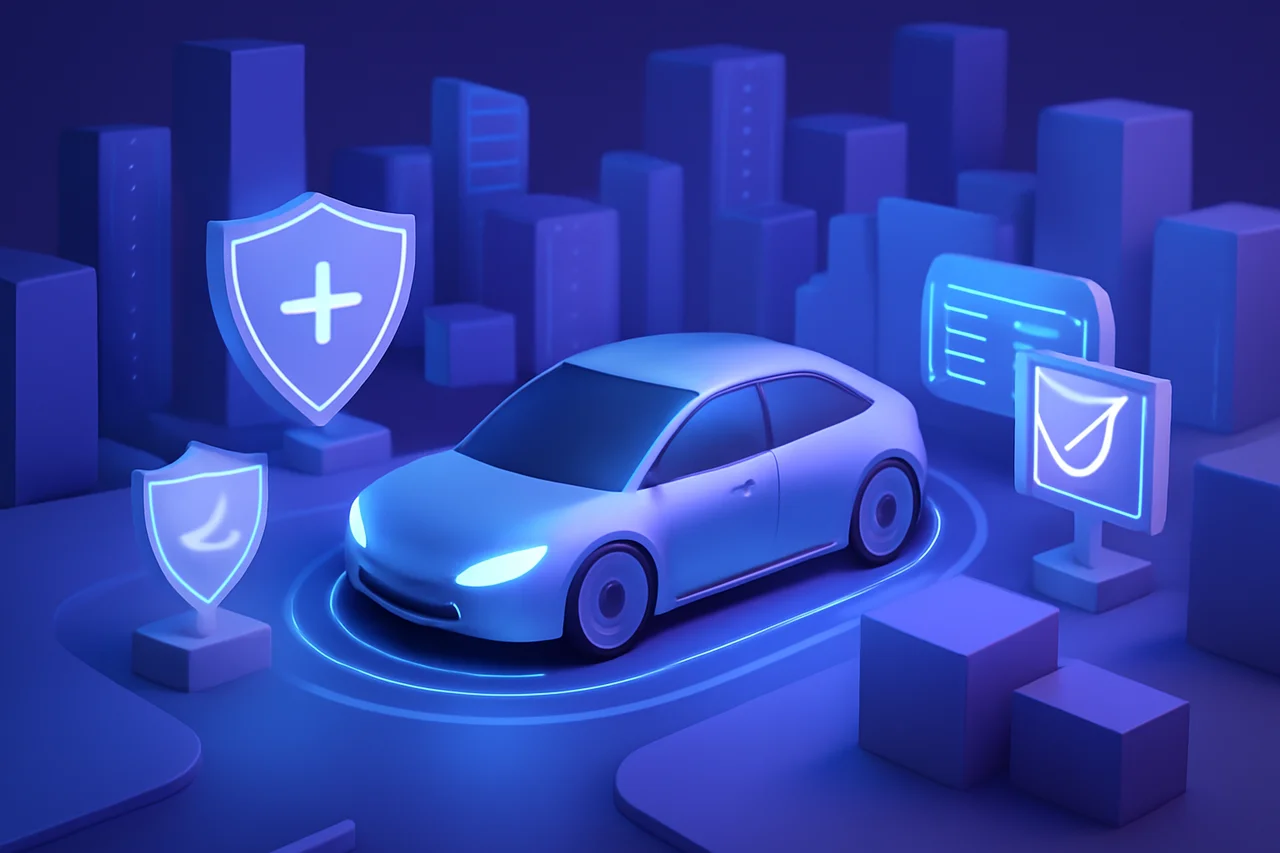
The emergence of self-driving cars is not only revolutionizing the automotive industry but also prompting a critical reevaluation of existing crash testing protocols. As these autonomous vehicles become more commonplace, it is essential for safety regulations to adapt to the unique challenges posed by driverless technology. This transition is not merely a technological shift; it represents a fundamental change in how we approach vehicle safety.
Understanding the Need for Change
Traditional crash testing methods have been developed with human drivers in mind. However, as research suggests, the dynamics of a crash can change dramatically when a vehicle is operating without a driver. For instance, studies indicate that lying down in a car can significantly increase the likelihood of severe injuries during a collision. This finding raises important questions about how we assess safety in vehicles that do not require a human operator. The absence of a driver alters not only the position of passengers but also the vehicle's response to various crash scenarios. This necessitates a comprehensive review of how safety is evaluated in the context of autonomous driving.
The Role of Government Regulations
Governments worldwide are tasked with ensuring the safety of all vehicles on the road. As self-driving technology evolves, these regulatory bodies must reconsider existing safety standards to accommodate the unique characteristics of autonomous vehicles. This could involve revising crash testing protocols to better reflect the scenarios that driverless cars might encounter. For example, regulations may need to incorporate guidelines on how to test vehicles that operate without a driver, ensuring that the safety of passengers is not compromised. Furthermore, as different countries adopt varying levels of self-driving technology, international cooperation may become essential to establish universal safety standards.
Challenges in Crash Testing for Autonomous Vehicles
One of the primary challenges in adapting crash tests for self-driving cars is the lack of established protocols that account for the absence of a driver. Traditional tests often simulate human responses and behaviors, which are no longer applicable in a fully autonomous context. As such, new methodologies must be developed to accurately assess the safety of these vehicles. This includes understanding how autonomous systems make decisions in emergency situations and how these decisions impact the vehicle's safety performance during a crash.
Potential Areas for Improvement
- Developing new crash test scenarios that reflect autonomous vehicle operations, including scenarios where the vehicle must make split-second decisions.
- Incorporating advanced technology to simulate various driving conditions, such as inclement weather or unexpected obstacles, to assess the vehicle's response.
- Creating standards that prioritize passenger safety in non-traditional seating positions, acknowledging that passengers may not always be seated in a conventional manner.
- Evaluating the interaction between autonomous vehicles and human-driven vehicles, as mixed traffic scenarios will be common in the near future.
Innovations in Safety Testing
To address these challenges, the automotive industry is exploring innovative approaches to safety testing. This includes the use of advanced simulation technologies and artificial intelligence to predict how self-driving cars will behave in different crash scenarios. By leveraging these tools, manufacturers can create safer vehicles that are better equipped to protect passengers in the event of an accident. Moreover, real-world testing in controlled environments is crucial to validate these simulations, ensuring that the predictions align with actual vehicle performance.
The Future of Vehicle Safety
As self-driving cars become more integrated into our transportation systems, the future of vehicle safety will likely look very different from what it is today. The ongoing evolution of crash testing protocols will play a crucial role in ensuring that these vehicles meet the highest safety standards. It is imperative that both manufacturers and regulators work together to create a framework that prioritizes safety in a rapidly changing automotive landscape. This collaboration could lead to the establishment of a new safety certification process specifically designed for autonomous vehicles, which would help build public trust in this emerging technology.
Conclusion
The rise of self-driving cars presents both opportunities and challenges for crash testing and vehicle safety. As we move toward a future where autonomous vehicles are the norm, it is essential to reassess and innovate crash testing protocols to ensure the safety of all road users. The journey toward safer self-driving technology is just beginning, and it will require collaboration across industries and regulatory bodies to succeed. The proactive adaptation of safety measures will not only enhance the safety of autonomous vehicles but also pave the way for broader acceptance and integration of this transformative technology into everyday life.
Key Highlights
- Self-driving cars are prompting a reevaluation of crash testing protocols.
- Research shows that lying down in a car increases injury risk during crashes.
- Existing safety standards may not adequately protect passengers in autonomous vehicles.
- Governments must adapt regulations to reflect the realities of driverless technology.
- Innovative testing methods are being explored to enhance vehicle safety.
- Collaboration between manufacturers and regulators is crucial for future safety standards.
- The transition to autonomous vehicles will fundamentally change vehicle safety assessments.
Expert Analysis
Technical Analysis
Self-driving cars utilize advanced technologies such as artificial intelligence, machine learning, and sensor systems to navigate and operate without human intervention. These vehicles rely on a combination of cameras, radar, and lidar to perceive their environment, enabling them to make real-time decisions during operation. The challenge arises in adapting traditional crash testing protocols, which were designed with human drivers in mind, to accommodate the unique dynamics of autonomous vehicles. For instance, the absence of a driver alters not just passenger positioning but also the vehicle's response to crash scenarios, necessitating a reevaluation of safety assessments.
The limitations of existing crash testing methods highlight the need for innovative approaches to safety evaluation. Traditional tests often simulate human behavior, which is irrelevant in the context of fully autonomous vehicles. Therefore, new methodologies must be developed to accurately assess how these vehicles will perform in various crash situations, including emergency decision-making processes. Innovations such as advanced simulations and real-world testing in controlled environments are essential to validate these new methodologies and ensure that they align with actual vehicle performance in crash scenarios.
Advantages
- Enhanced safety protocols for passengers in autonomous vehicles.
- Potential for improved crash test scenarios that reflect real-world conditions.
- Use of advanced simulation technologies to predict vehicle behavior in crashes.
- Collaboration between manufacturers and regulators to establish universal safety standards.
Disadvantages
- No major disadvantages reported yet.
Real-World Use Cases
- Developing new crash test protocols specifically for autonomous vehicles.
- Utilizing simulation technologies to assess vehicle performance in various driving conditions.
- Creating safety standards that account for non-traditional passenger seating positions.
- Evaluating interactions between autonomous and human-driven vehicles in mixed traffic scenarios.
Business Impact
The adaptation of crash testing standards for self-driving cars represents a significant shift in the automotive industry, potentially leading to new revenue opportunities for manufacturers who can innovate in safety testing. As governments and regulatory bodies begin to implement new safety standards, companies that proactively align with these changes may gain a competitive edge. Additionally, the establishment of a new safety certification process for autonomous vehicles could enhance public trust and acceptance, further driving market growth in this sector.
User Impact
Ordinary users stand to benefit from enhanced safety measures as self-driving technology becomes more integrated into everyday life. Improved crash testing protocols will likely lead to safer vehicles, which is a primary concern for consumers. However, those who may not benefit as directly include individuals in regions with slower adoption of autonomous technology, as they may not see immediate changes in vehicle safety standards. Overall, the advancements in safety testing are crucial for fostering public confidence in autonomous vehicles.
Security & Privacy
Security and privacy analysis not applicable.
Future Outlook
In the near term, we can expect further developments in crash testing methodologies that specifically address the challenges posed by autonomous vehicles. The automotive industry is likely to see increased collaboration between manufacturers and regulatory bodies to create comprehensive safety frameworks. As self-driving technology continues to evolve, the establishment of universal safety standards will be critical in ensuring that these vehicles can operate safely alongside traditional vehicles, paving the way for broader acceptance and integration into transportation systems.
Expert Summary
The evolution of self-driving cars necessitates a fundamental reevaluation of crash testing protocols to ensure passenger safety. Stakeholders across the automotive industry, including manufacturers and regulators, should pay close attention to these developments as they will shape the future of vehicle safety standards. This news highlights the importance of proactive adaptation in safety measures, which will be crucial for the successful integration of autonomous vehicles into everyday life.
Originally reported by Gear Latest.



