
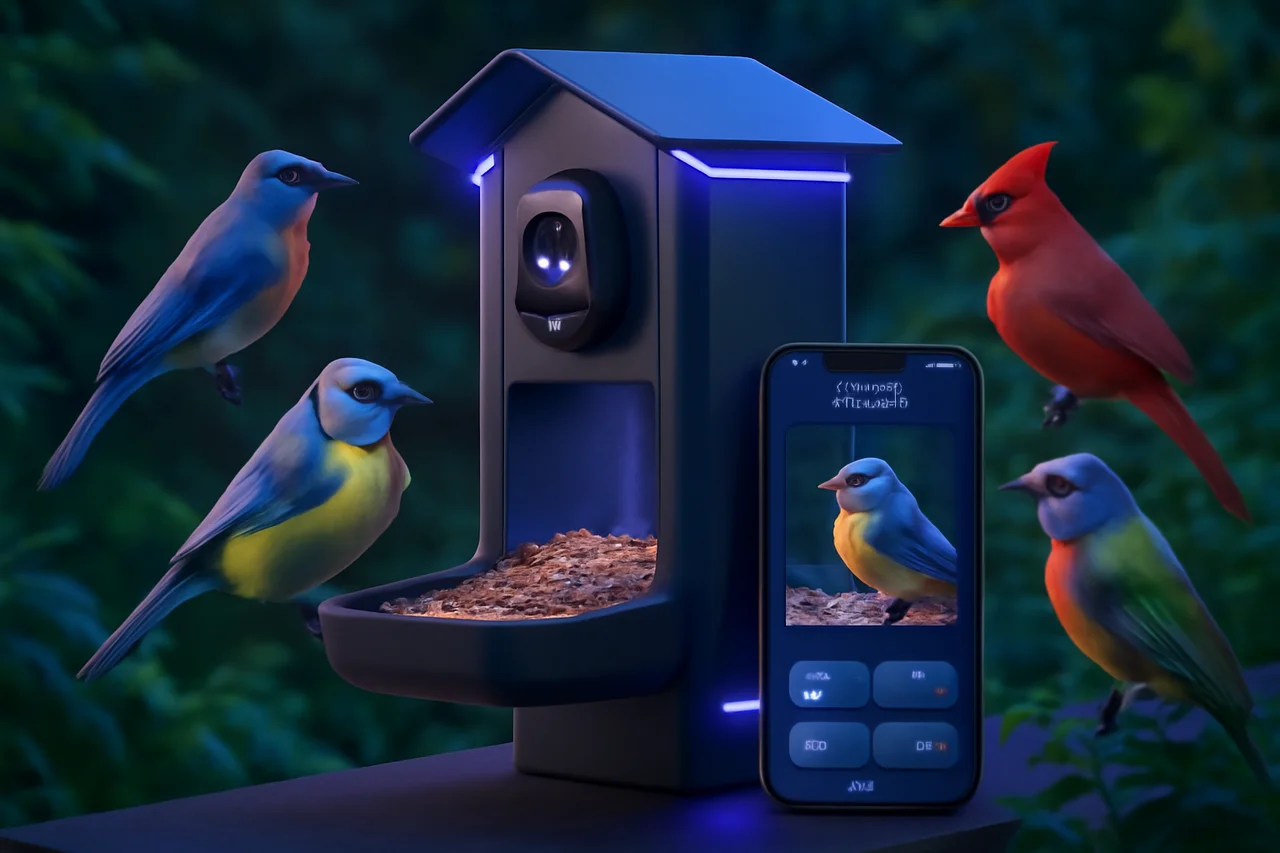
In recent years, the world of bird-watching has taken a technological leap forward, thanks to the introduction of smart bird feeders. These innovative devices are equipped with integrated cameras and connected applications, allowing users to observe and learn about the diverse bird species that frequent their yards. As interest in these smart feeders continues to soar, they are becoming a staple for nature enthusiasts and casual bird watchers alike.
The Technology Behind Smart Bird Feeders
At the heart of smart bird feeders lies cutting-edge technology that merges traditional bird feeding with modern connectivity. Most of these feeders are equipped with high-definition cameras that capture images and videos of birds as they visit. This feature not only enhances the bird-watching experience but also provides users with valuable insights into the behavior and habits of different bird species. The cameras often come with night vision capabilities, enabling users to observe nocturnal visitors as well. Additionally, some models include motion sensors that alert users when birds are nearby, ensuring that they never miss a moment of avian activity.
Connecting with Nature
With the integration of connected applications, users can easily access real-time data about the birds visiting their feeders. These apps often include identification tools, allowing users to recognize various species and learn more about their characteristics. Users can simply take a picture of a bird, and the app will provide information on its species, diet, and habitat. This connection to nature fosters a deeper appreciation for wildlife and encourages people to engage more with their outdoor environments. Furthermore, many apps offer educational resources, such as articles and videos, that enhance users' understanding of avian ecology and conservation efforts.
Appeal to a Broader Audience
Smart bird feeders are not just for avid bird watchers; they appeal to a wide range of consumers. Families, educators, and even casual observers are drawn to the idea of observing wildlife from the comfort of their homes. The ability to see birds up close and personal can spark interest in biodiversity and conservation efforts among users of all ages. For parents, these feeders can serve as an educational tool, teaching children about nature, responsibility, and the importance of protecting wildlife. Schools and community organizations are also beginning to incorporate smart bird feeders into their curricula, using them as a means to connect students with the environment.
Enhancing the Bird-Watching Experience
For many, the joy of bird-watching comes from the thrill of spotting new species and understanding their behaviors. Smart bird feeders enhance this experience by providing a platform for users to document their sightings and share them with others. Many applications allow for social sharing, creating a community of bird enthusiasts who can exchange tips, sightings, and even photographs. This sense of community fosters a collaborative spirit among users, encouraging them to share their experiences and learn from one another. Additionally, some platforms host challenges and contests, motivating users to participate actively in bird-watching and conservation efforts.
Market Trends and Future Prospects
The popularity of smart bird feeders has led to a burgeoning market, with numerous companies entering the space to offer their own versions of these devices. As technology continues to evolve, we can expect features such as advanced analytics, AI-driven identification capabilities, and improved connectivity options. For instance, future iterations may include features that allow users to track migration patterns or monitor the health of local bird populations. The integration of machine learning algorithms could enhance the accuracy of species identification and provide users with personalized insights based on their specific feeding habits. The future of bird feeding looks bright, with innovations that will likely continue to engage and educate users.
Conclusion
Smart bird feeders represent a significant advancement in the realm of wildlife observation. By combining technology with nature, these feeders are transforming how people interact with the avian world. As they gain traction among consumers, they are not only enhancing the bird-watching experience but also fostering a greater appreciation for the natural world. With their ability to educate, connect, and inspire, smart bird feeders are paving the way for a new generation of nature lovers who are more informed and engaged with the environment than ever before.
Key Highlights
- Smart bird feeders are equipped with cameras and connected apps.
- These feeders enhance the bird-watching experience for users.
- They appeal to a wide audience, including families and educators.
- Real-time data and identification tools are available through apps.
- Smart feeders foster a deeper appreciation for wildlife and nature.
- The market for smart bird feeders is rapidly growing and evolving.
- Future innovations may include AI-driven features and advanced analytics.
Expert Analysis
Technical Analysis
Smart bird feeders utilize advanced technologies such as integrated high-definition cameras and connected applications to enhance the bird-watching experience. The cameras capture images and videos of birds, providing users with insights into their behaviors and habits. Features like night vision and motion sensors further improve functionality, alerting users to nearby avian activity. The connected apps allow for real-time data access, enabling users to identify bird species and learn about their characteristics, thus merging traditional bird feeding with modern connectivity.
These feeders solve the problem of passive bird-watching by actively engaging users in the process. The ability to document sightings and share experiences fosters a sense of community among bird enthusiasts. However, while the technology offers significant improvements in user engagement and education, limitations may include the dependency on connectivity for full functionality and potential challenges in maintaining the devices outdoors, such as weather resistance and battery life management.
Advantages
- Enhances bird-watching experience with high-definition video and images.
- Provides educational resources and species identification tools through connected apps.
- Encourages community engagement among bird enthusiasts via social sharing features.
- Appeals to a broad audience, including families and educators, promoting biodiversity awareness.
Disadvantages
- No major disadvantages reported yet.
Real-World Use Cases
- Families can use smart bird feeders to teach children about nature and responsibility.
- Educators can incorporate feeders into curricula to connect students with environmental science.
- Casual bird watchers can enjoy observing wildlife from home, fostering interest in conservation.
- Bird enthusiasts can document sightings and share experiences within a community of like-minded individuals.
Business Impact
The rise of smart bird feeders is creating a burgeoning market, attracting numerous companies to develop their own versions of these devices. This trend suggests a growing consumer interest in wildlife observation technology, which could lead to increased competition and innovation within the industry. As more features are integrated into these products, companies may find new revenue opportunities through premium app services or advanced analytics offerings.
User Impact
Smart bird feeders primarily benefit nature enthusiasts, families, and educators by providing an engaging way to observe and learn about birds. Ordinary users may find value in the educational aspects and the ability to connect with nature from home. Given the increasing interest in biodiversity and conservation, adopting these feeders could be worthwhile for those looking to enhance their outdoor experiences.
Security & Privacy
Security and privacy analysis not applicable.
Future Outlook
The future of smart bird feeders appears promising, with expectations for advanced features such as AI-driven species identification and improved connectivity options. As technology evolves, users may gain access to tools for tracking bird migration patterns and monitoring local populations, further enhancing the educational value of these devices. This suggests a trend toward more personalized and data-driven bird-watching experiences.
Expert Summary
The emergence of smart bird feeders signifies a notable advancement in wildlife observation technology, appealing to a diverse audience and fostering a greater appreciation for nature. Stakeholders in the education and conservation sectors should pay attention to this trend, as it presents opportunities for engagement and learning. Overall, smart bird feeders represent a meaningful intersection of technology and nature, encouraging a new generation of environmentally conscious individuals.
Originally reported by Gear Latest.



