
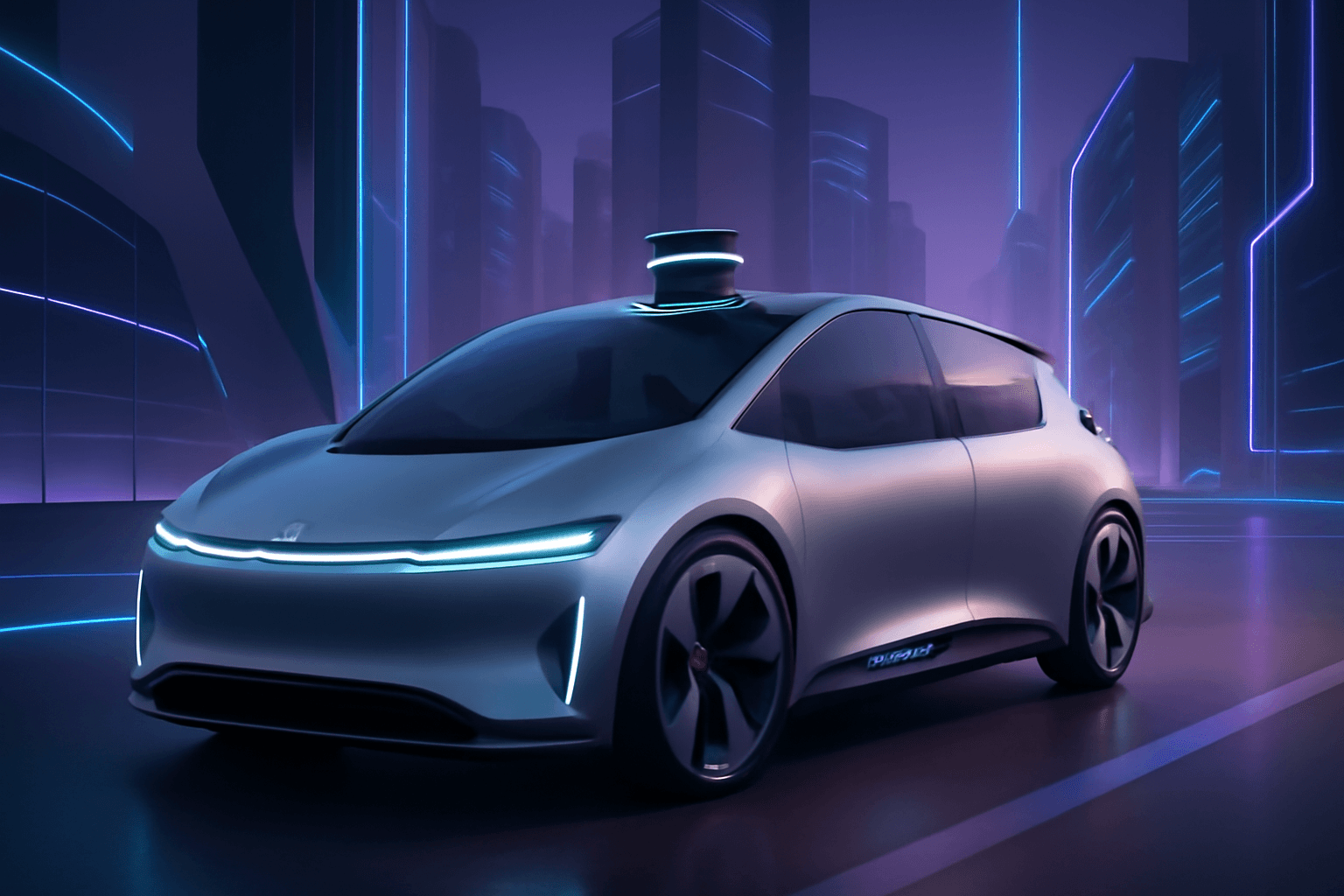
The automotive industry is on the brink of a revolutionary change as an electric-auto maker prepares to unveil its innovative steering-wheel-free robotaxi. Set for debut this Thursday, this vehicle is being touted as a significant leap forward in autonomous vehicle technology. However, while the introduction of the robotaxi is a noteworthy milestone, experts warn that the real challenges lie ahead in its implementation and widespread adoption.
What Makes the Robotaxi Unique?
The steering-wheel-free design is a key feature that distinguishes this robotaxi from traditional vehicles. By eliminating the steering wheel, the design emphasizes a fully autonomous driving experience. This vehicle is expected to utilize advanced sensors, AI algorithms, and electric powertrains to navigate urban environments seamlessly, providing a glimpse into the future of transportation. The absence of a steering wheel not only redefines the interior layout, allowing for more passenger space and comfort, but also signifies a shift in how we perceive vehicle operation. Passengers can engage in activities such as working, socializing, or relaxing during their journey, transforming the travel experience.
Anticipation Surrounding the Launch
The official unveiling of the robotaxi is generating considerable excitement within the automotive community and among potential users. As electric vehicles gain traction, the introduction of a fully autonomous model represents a significant step toward a future where human drivers may become obsolete. Industry analysts are keenly observing the launch, as it may set benchmarks for competitors and influence future developments in the sector. This launch is not just about a new vehicle; it symbolizes a broader shift in mobility solutions that could redefine urban transport systems and reduce traffic congestion and emissions.
Challenges in Bringing the Robotaxi to Market
Despite the excitement surrounding the launch, the road to market for the robotaxi is fraught with challenges. Regulatory hurdles, safety concerns, and public acceptance are just a few of the obstacles that must be navigated. Autonomous vehicles must comply with a myriad of regulations that vary by region, and securing the necessary approvals can be a lengthy and complex process. Furthermore, the legal framework surrounding liability in the event of an accident involving a robotaxi remains largely uncharted territory, raising questions about responsibility and insurance.
Technological Hurdles
In addition to regulatory challenges, the technology behind the robotaxi must be rigorously tested and refined. Ensuring that the vehicle can operate safely in diverse driving conditions and respond to unpredictable situations is paramount. The development of robust AI systems that can make real-time decisions is crucial for the success of autonomous vehicles. This includes not only the ability to navigate complex urban environments but also to recognize and react appropriately to pedestrians, cyclists, and other vehicles. The integration of machine learning will be essential, allowing the robotaxi to improve its performance over time based on real-world data.
Public Perception and Acceptance
Another significant factor influencing the success of the robotaxi is public perception. Many potential users may harbor skepticism regarding the safety and reliability of autonomous vehicles. Building trust through transparent communication, successful pilot programs, and demonstrable safety records will be essential for gaining consumer confidence. Public perception can be influenced by media coverage, personal experiences, and the narratives shared by early adopters. Therefore, effective marketing strategies, along with community engagement initiatives, will play a critical role in shaping the acceptance of this new mode of transport.
Looking Ahead
As the electric-auto maker gears up for the launch of its steering-wheel-free robotaxi, the focus will soon shift from development to implementation. The next steps will be critical in determining whether this innovative vehicle can successfully transition from a prototype to a common sight on city streets. The coming months will reveal how well the company can navigate the complex landscape of regulations, technology, and public acceptance. Partnerships with city governments, transportation agencies, and technology providers will be vital in creating a supportive ecosystem for the robotaxi's integration into existing transportation networks.
Conclusion
The debut of the steering-wheel-free robotaxi marks an exciting chapter in the evolution of transportation. However, it is just the beginning. The real test lies in overcoming the challenges that accompany the introduction of such groundbreaking technology. As the industry watches closely, the electric-auto maker will have to demonstrate not only the capabilities of its new robotaxi but also its ability to address the multifaceted issues that come with bringing it to market. Success in this venture could pave the way for a new era of mobility, where autonomous vehicles play a central role in urban infrastructure and personal transportation.
Key Highlights
- The electric-auto maker is set to unveil a steering-wheel-free robotaxi.
- This vehicle represents a significant advancement in autonomous technology.
- The launch is scheduled for Thursday, generating excitement in the automotive community.
- Challenges include regulatory hurdles and public acceptance of autonomous vehicles.
- Technological reliability is crucial for the success of the robotaxi.
- Public perception will play a key role in the adoption of this new transport mode.
- The transition from prototype to market-ready vehicle will be closely monitored.
Expert Analysis
Technical Analysis
The upcoming steering-wheel-free robotaxi represents a significant advancement in autonomous vehicle technology, leveraging electric powertrains, advanced sensors, and artificial intelligence (AI) algorithms to facilitate a fully autonomous driving experience. By removing the steering wheel, the design not only enhances passenger comfort and space but also shifts the paradigm of vehicle operation, allowing users to engage in various activities during their journey. This technology aims to address the growing need for efficient urban transportation solutions, potentially reducing traffic congestion and emissions.
However, the implementation of such technology is not without its challenges. The robotaxi must navigate a complex landscape of regulatory requirements and safety standards, which vary by region. Additionally, the AI systems powering the vehicle must be rigorously tested to ensure they can handle diverse driving conditions and respond to unpredictable scenarios. While the integration of machine learning can enhance the robotaxi's performance over time, the technology's reliability and safety in real-world applications remain critical concerns that must be addressed before widespread adoption can occur.
Advantages
- Fully autonomous driving experience enhances passenger comfort and allows for multitasking during travel.
- Potential reduction in traffic congestion and emissions contributes to more sustainable urban transport.
- Innovative design redefines vehicle operation and interior layout, creating a more spacious environment.
- Advanced AI and sensor technology improve navigation and decision-making in complex urban settings.
Disadvantages
- Regulatory hurdles and safety concerns may delay market entry and widespread adoption.
- Public skepticism regarding the safety and reliability of autonomous vehicles could hinder acceptance.
Real-World Use Cases
- Urban commuters can use the robotaxi for daily travel, allowing them to work or relax during their journeys.
- Businesses can utilize robotaxis for employee transportation, reducing the need for parking space and improving productivity.
- Transportation agencies can integrate robotaxis into public transit systems to enhance mobility options for residents.
- Tourists can experience city tours in a comfortable, autonomous vehicle without the need for a driver.
Business Impact
The launch of the steering-wheel-free robotaxi is poised to disrupt the automotive industry by setting new benchmarks for competitors in the autonomous vehicle space. As electric vehicles gain popularity, this innovation could open up new revenue opportunities for the electric-auto maker and its partners. The successful integration of robotaxis into urban transport systems may also influence industry standards and regulations, prompting other manufacturers to accelerate their own autonomous vehicle developments.
User Impact
Ordinary users stand to benefit significantly from the introduction of the robotaxi, as it promises a more convenient and enjoyable travel experience. However, those who are skeptical about autonomous technology may be hesitant to adopt it initially. Overall, the robotaxi represents a forward-thinking solution that could reshape personal transportation, making it worthwhile for users to stay informed and consider its potential advantages.
Security & Privacy
Security and privacy analysis not applicable.
Future Outlook
In the near term, the focus will shift to the implementation of the robotaxi and overcoming the regulatory and public acceptance challenges. The electric-auto maker will likely seek partnerships with city governments and technology providers to facilitate integration into existing transportation networks. As the technology matures and successful pilot programs are established, we can expect a gradual increase in public trust and adoption, paving the way for a broader acceptance of autonomous vehicles in urban environments.
Expert Summary
The unveiling of the steering-wheel-free robotaxi marks a pivotal moment in the evolution of transportation, highlighting the potential for autonomous vehicles to redefine urban mobility. Stakeholders in the automotive industry, urban planning, and technology sectors should pay close attention to this development, as its success could influence future innovations and market dynamics. Overall, while the challenges ahead are significant, the potential benefits of this technology warrant careful consideration and proactive engagement.
Originally reported by Gear Latest.



