
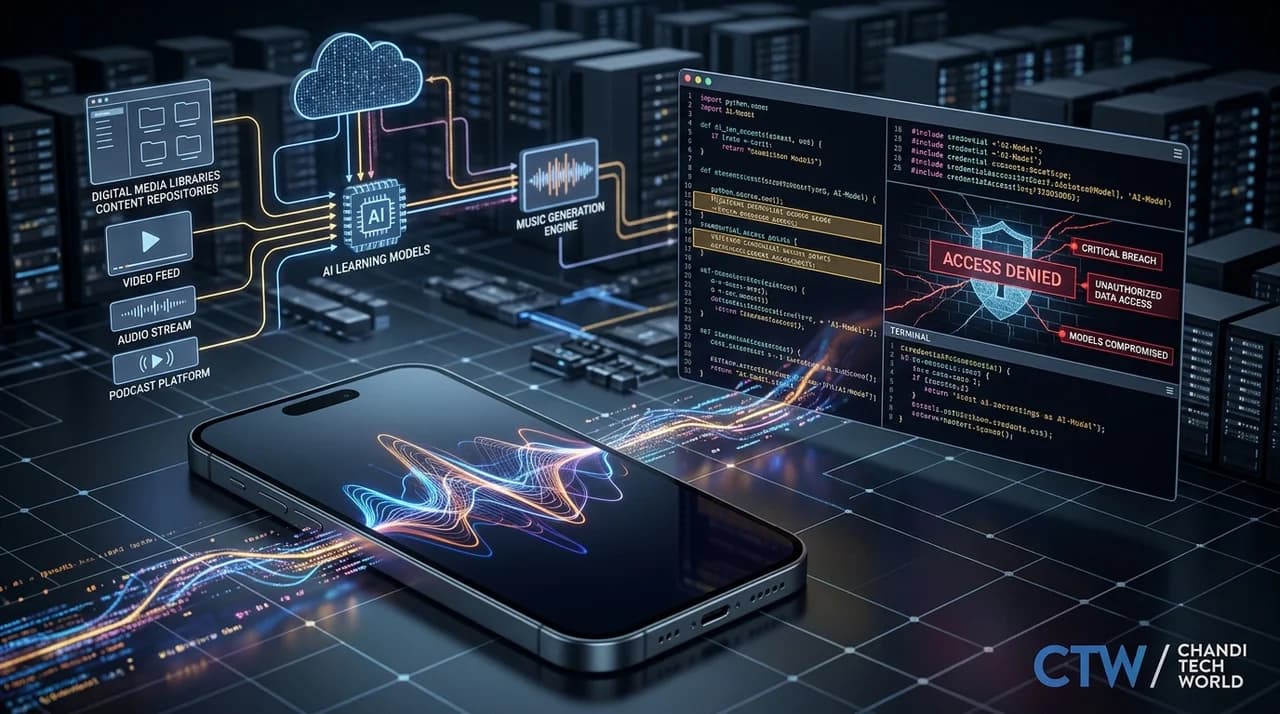
The world of artificial intelligence music generation is facing scrutiny following a significant security breach at Suno, a company specializing in this field. A hacker managed to exploit an employee's credentials, gaining access to sensitive source code that has since unveiled troubling practices regarding data collection. This incident not only raises questions about Suno's operations but also highlights broader concerns surrounding data scraping and cybersecurity within the AI industry.
Details of the Security Breach
The breach occurred when an unauthorized individual used the login information of a Suno employee to infiltrate the company’s systems. This act of cyber intrusion allowed the hacker to access proprietary source code, leading to revelations about the methods used to train Suno's AI models. Such breaches can have far-reaching implications for companies, especially those dealing with sensitive data. The incident serves as a stark reminder of the vulnerabilities that exist in corporate cybersecurity frameworks, particularly in sectors that handle large volumes of data.
Data Scraping Practices Under Fire
One of the most alarming findings from the breach is that Suno allegedly scraped a vast amount of audio data from YouTube, spanning decades. This practice of collecting data from public platforms raises significant ethical and legal questions. While data scraping is not uncommon in the tech industry, its implications for copyright and intellectual property rights are complex and often contested. The legality of using scraped content without explicit permission from the original creators is a contentious issue, and it puts companies like Suno at risk of potential lawsuits and reputational damage.
Moreover, the practice of scraping data from platforms like YouTube can lead to an uneven playing field where smaller companies or independent artists may feel marginalized. As AI-generated music becomes more prevalent, the need for clear guidelines on data usage becomes increasingly urgent. The ethical considerations surrounding data scraping are not just about legality; they also touch on the moral responsibilities of companies to respect the rights of content creators.
Implications for AI Development
The revelation that Suno relied on scraped audio data to train its AI models has sparked a debate about the sustainability and legality of such practices in the AI development landscape. As AI technology continues to evolve, the methods used to acquire training data must be scrutinized to ensure compliance with legal standards and ethical norms. Companies must balance innovation with responsibility, particularly in regards to data usage. The potential backlash from creators and consumers alike could lead to stricter regulations that govern data sourcing practices in the AI sector.
Furthermore, the implications extend beyond legal ramifications; they also affect the quality and diversity of AI-generated music. If AI models are trained predominantly on scraped data, they may inadvertently perpetuate biases or fail to represent the full spectrum of musical styles and cultural expressions. This raises questions about the authenticity and originality of AI-generated content, as well as the potential impact on the music industry as a whole.
Cybersecurity Concerns in the AI Sector
This incident highlights the pressing need for enhanced cybersecurity measures across the AI sector. As companies increasingly rely on digital platforms and cloud-based services, they become more vulnerable to cyber threats. The breach at Suno serves as a reminder that protecting sensitive information and maintaining robust security protocols is essential for safeguarding not only corporate assets but also user trust. The repercussions of such breaches can be severe, leading to financial losses, legal challenges, and a tarnished reputation.
In response to this incident, companies in the AI sector may need to reassess their cybersecurity strategies. Implementing multi-factor authentication, conducting regular security audits, and providing employee training on recognizing phishing attempts are just a few steps that can bolster defenses against cyber intrusions. Additionally, fostering a culture of security awareness within organizations can help mitigate risks and protect sensitive data.
Industry Response and Future Outlook
The AI industry is at a crossroads, with growing scrutiny from regulators and the public regarding data practices. Following the Suno breach, there may be increased calls for clearer regulations governing data scraping and the ethical implications of using publicly available content for AI training. Companies will need to adapt to these changing expectations and invest in both technology and policy to navigate the evolving landscape.
As the conversation around data ethics and cybersecurity continues to evolve, industry stakeholders, including policymakers, tech companies, and content creators, must engage in dialogue to establish best practices. This collaboration could lead to the development of frameworks that balance innovation with ethical considerations, ensuring that the AI music generation sector can thrive without compromising the rights of individuals and communities.
Conclusion
The security breach at Suno underscores the vulnerabilities that exist within the AI music generation sector, especially regarding data scraping practices. As the industry moves forward, it is crucial for companies to adopt ethical data collection methods and prioritize cybersecurity to protect their innovations and maintain consumer trust. The outcome of this incident may serve as a catalyst for change, prompting a reevaluation of how AI companies approach data sourcing and security. Ultimately, the future of AI in music generation will depend on the ability of companies to navigate these challenges responsibly and transparently.
Key Highlights
- Suno's recent security breach revealed unethical data scraping practices.
- A hacker accessed Suno's source code using an employee's credentials.
- Suno allegedly scraped decades of audio data from YouTube.
- The incident raises questions about copyright and data ethics in AI.
- Cybersecurity vulnerabilities in the AI sector are becoming increasingly concerning.
- The breach may lead to stricter regulations on data scraping practices.
- AI companies must prioritize ethical data usage and robust security measures.
Expert Analysis
Technical Analysis
The incident at Suno involves the use of artificial intelligence (AI) in music generation, which relies on training models with large datasets to create music that mimics human composition. In this case, Suno allegedly scraped audio data from YouTube, a practice that raises ethical and legal questions about copyright and intellectual property rights. Data scraping, while a common technique in the tech industry, can lead to significant challenges regarding the legality of using content without permission from original creators, which is particularly pertinent in the creative sectors like music.
The breach also highlights vulnerabilities in corporate cybersecurity frameworks, especially in industries that handle sensitive data. The unauthorized access to Suno's systems not only exposed their data collection practices but also underscored the need for robust security measures. As AI technology evolves, companies must ensure compliance with legal standards and ethical norms while balancing innovation with responsibility. The reliance on scraped data could lead to biases in AI-generated music, affecting the quality and diversity of outputs, which raises concerns about authenticity and representation in the music industry.
Advantages
- Increased awareness of the ethical implications of data scraping in AI development.
- Potential for improved cybersecurity measures across the AI industry as a response to the breach.
- Encouragement for clearer regulations that could lead to fairer practices in data usage.
- Opportunity for companies to reassess and strengthen their data collection and security protocols.
Disadvantages
- Legal risks associated with using scraped content without permission from creators.
- Potential reputational damage for companies involved in unethical data practices.
- The risk of perpetuating biases in AI-generated music due to reliance on scraped data.
- No major disadvantages reported yet.
Real-World Use Cases
- AI music generation companies can develop clearer data sourcing policies to ensure compliance with copyright laws.
- Content creators can advocate for better regulations that protect their rights against unauthorized data scraping.
- Businesses can implement enhanced cybersecurity measures to protect sensitive information and maintain user trust.
- Regulatory bodies can establish frameworks that guide ethical data usage in AI development.
Business Impact
The security breach at Suno may prompt a reevaluation of data practices across the AI music generation sector, potentially leading to stricter regulations that govern data scraping. This shift could create a more level playing field for smaller companies and independent artists, as ethical considerations gain prominence in the industry. Companies that proactively adapt to these changes may find new revenue opportunities by building trust with consumers and content creators alike, while those that fail to address these issues may face legal challenges and reputational harm.
User Impact
Ordinary users, particularly content creators and independent artists, may benefit from increased scrutiny on data scraping practices, which could lead to better protection of their rights and intellectual property. However, users should remain vigilant about the implications of AI-generated content, as the authenticity and originality of such music may be compromised if AI models are trained predominantly on scraped data. Overall, it is worth adopting a critical perspective on the evolving landscape of AI music generation and its ethical considerations.
Security & Privacy
The breach at Suno highlights significant cybersecurity vulnerabilities within the AI sector, particularly regarding the protection of sensitive data. As companies increasingly rely on digital platforms, the need for robust security measures becomes paramount. This incident serves as a reminder of the potential consequences of inadequate cybersecurity, including financial losses and legal challenges, emphasizing the importance of safeguarding user trust and corporate assets.
Future Outlook
In the near term, the AI music generation industry may see a push for clearer regulations surrounding data scraping and ethical data usage. Companies will likely need to invest in both technology and policy to navigate these evolving expectations. As the conversation around data ethics and cybersecurity continues, industry stakeholders will need to collaborate to establish best practices that balance innovation with ethical considerations, ensuring the sustainability of AI in music generation.
Expert Summary
The security breach at Suno serves as a critical wake-up call for the AI music generation sector, emphasizing the need for ethical data practices and robust cybersecurity measures. Stakeholders, including companies, policymakers, and content creators, should pay close attention to the implications of this incident as it may shape the future of data sourcing and security in the industry. Overall, this news underscores the importance of navigating the challenges of AI responsibly and transparently.
Originally reported by TechCrunch.



